Cyprinus rubrofuscus
Cyprinus rubrofuscus
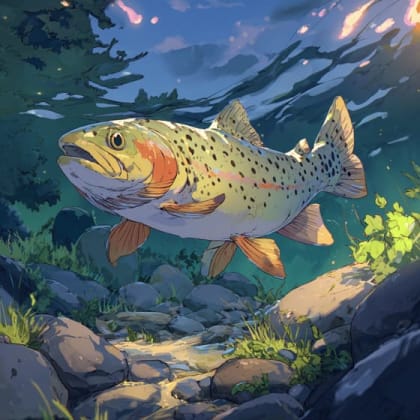
La Cyprinus rubrofuscus, también conocida como la carpa de aletas rojas, es un pez colorido al que le encanta nadar en estanques y lagos. ¡Tienen aletas de color naranja y rojo brillante que los hacen fáciles de ver en el agua!
Hábitat: Lagos y estanques de agua dulce
La Cyprinus rubrofuscus tiene un cuerpo robusto adornado con escamas vibrantes e iridiscentes en llamativos patrones de rojo, blanco, negro, naranja y dorado. Sus distintivas barbillas alrededor de la boca la ayudan a destacarse de otros peces de agua dulce.
Categoría
PecesRareza
Common
Peligro
1/5 · Muy bajo
Snaps
8
¡A los peces Koi se les puede enseñar a comer suavemente de tu mano, demostrando lo amigables que pueden llegar a ser!
¡Algunos peces Koi tienen nombres que reflejan sus hermosos y únicos patrones, como 'Kohaku' o 'Sanke'!
¡El pez Koi más viejo registrado vivió la asombrosa cantidad de 226 años!
¡En realidad son una forma domesticada de la carpa de Amur, no una especie completamente salvaje!
Los Koi son omnívoros, alimentándose de una mezcla de plantas, insectos y pequeñas criaturas acuáticas del fondo del estanque.
Los animales sociales viven en grupos organizados, cooperando para obtener beneficios de supervivencia como la búsqueda de alimento, la defensa y la cría de descendencia.
Este rasgo identifica organismos cuya dieta incluye tanto materia vegetal como animal.
Colorido describe a organismos u objetos que exhiben una amplia variedad de colores brillantes y distintivos.
Este rasgo caracteriza a los organismos cuya dieta consiste total o principalmente en material vegetal.

Los hábitats de agua dulce incluyen entornos acuáticos no salinos como ríos, lagos, estanques y humedales, vitales para numerosas especies.

Los animales diurnos están activos principalmente durante el día y suelen descansar o dormir por la noche.

Los hábitats acuáticos abarcan entornos donde los organismos viven principalmente en el agua, incluidos océanos, ríos, lagos y humedales.
Peligro
1/5 · Muy bajo
Siempre ten cuidado cerca del agua y pregunta a un adulto antes de ir a nadar.
La forma más fácil de identificar a Cyprinus rubrofuscus es usar la aplicación de identificación de naturaleza Snappit.
30-90 cm
1-15 kg
20-50 años
Los Koi son omnívoros, alimentándose de una mezcla de plantas, insectos y pequeñas criaturas acuáticas del fondo del estanque.
8 km/h
Lagos y estanques de agua dulce
Forrajeo
Acércate para separar los grupos y explorar dónde se ha fotografiado este objeto.

Connecticut, US
Puedes ver Petirrojo Americano, Hiedra Venenosa Del Este y Pato.
Ver guía →
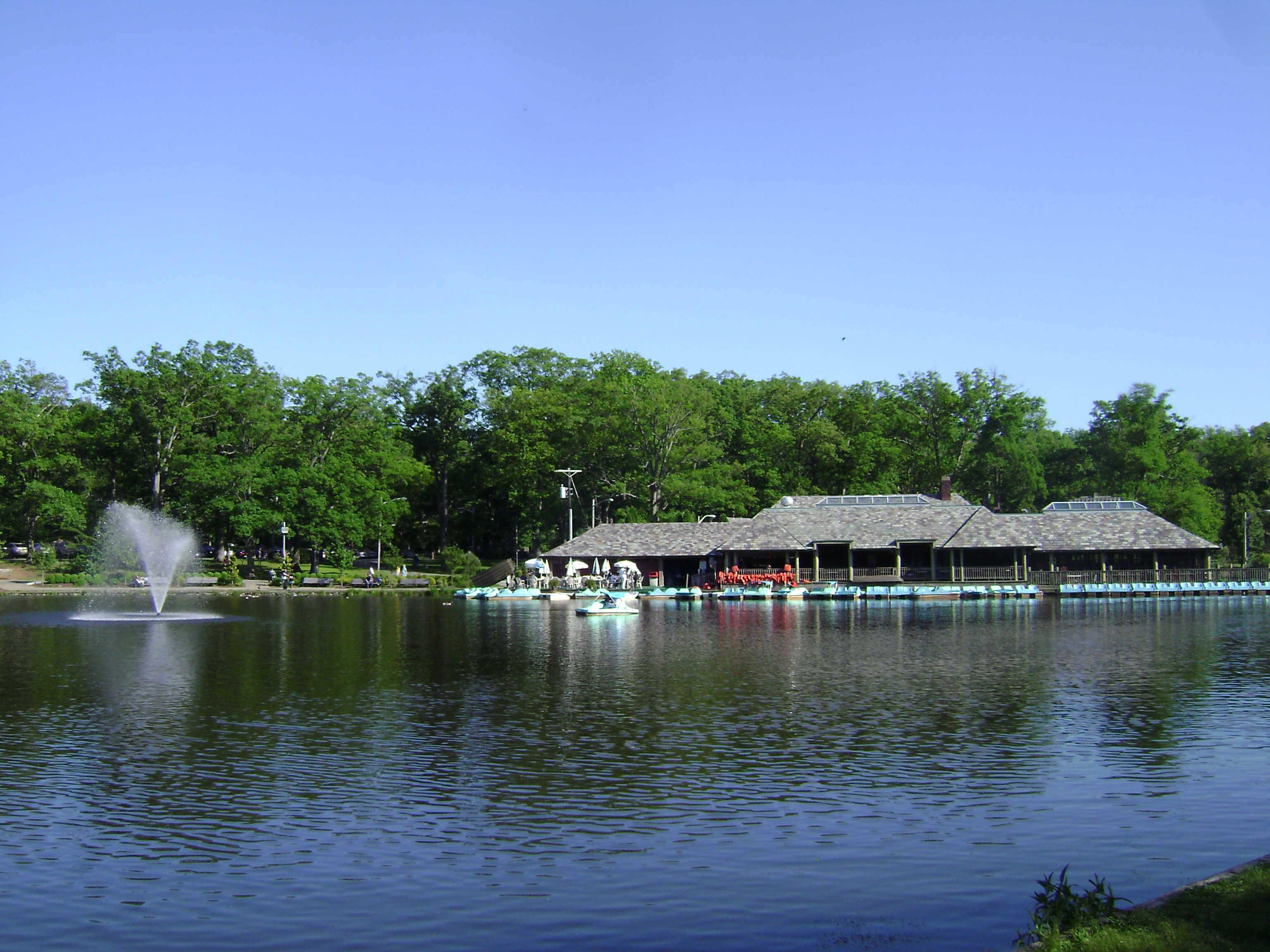
New Jersey, US
Puedes ver Ciervo De Cola Blanca y Petirrojo Americano.
Ver guía →

Connecticut, US
Puedes ver Petirrojo Americano, Abejorro Oriental Común y Pato.
Ver guía →

Connecticut, US
Puedes ver Petirrojo Americano y Abejorro Oriental Común.
Ver guía →

Maryland, US
Puedes ver Chingolo Gorjiblanco, Pato y Mosca Linterna Moteada.
Ver guía →

Maryland, US
Puedes ver Mosca Linterna Moteada, Pato y Barnacla Canadiense.
Ver guía →
Llévate el descubrimiento
Haz una foto con Snappit, identifica la especie y guarda el hallazgo en tu colección.