


Cyrtandra Longifolia
cyrtandra longifolia
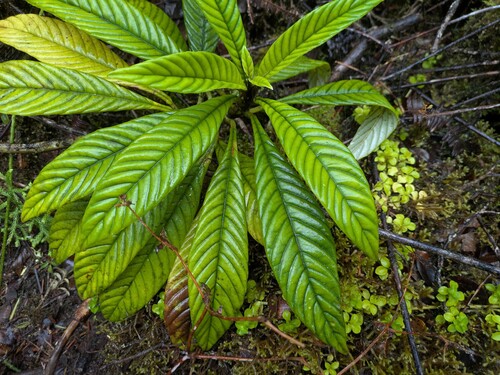
Cyrtandra longifolia, comúnmente conocida como una especie de ha‘iwale en hawaiano, es un arbusto o árbol pequeño encantador endémico de los bosques húmedos y cubiertos de nubes de las Islas Hawaianas. Como miembro prominente de la familia de las violetas africanas (Gesneriaceae), juega un papel crucial en el sotobosque de las prístinas selvas tropicales de Hawái. Esta planta es un ejemplo primordial de radiación adaptativa insular, mostrando cómo un único colonizador ancestral evolucionó en muchas especies distintas a través del archipiélago para llenar nichos ecológicos únicos.
Hábitat: Se encuentra típicamente en el sotobosque húmedo y profundamente sombreado de las selvas tropicales hawaianas y los bosques húmedos montanos, a menudo cerca de arroyos o barrancos húmedos.
Esta especie crece típicamente como un arbusto leñoso o árbol pequeño que alcanza de 1 a 5 metros de altura. Se identifica fácilmente por sus hojas alargadas, lanceoladas, dispuestas de forma opuesta, que pueden medir hasta 20 centímetros de largo y presentan márgenes finamente aserrados. En floración, produce racimos de delicadas flores tubulares blancas que emergen de las axilas de las hojas, las cuales más tarde dan paso a bayas carnosas, con forma de huevo, de color blanco o rosa pálido que contrastan fuertemente con el follaje verde oscuro.
Categoría
PlantasRareza
Común
Peligro
1/5 · Muy bajo
Snaps
¡Sé la primera persona en hacer un snap!
Cyrtandra es el género de plantas más diverso en las Islas Hawaianas, sirviendo como un ejemplo de libro de texto de rápida diversificación evolutiva.
A pesar de su forma leñosa y arbórea, esta especie pertenece a la familia Gesneriaceae, lo que la convierte en un pariente lejano de la popular planta de interior violeta africana.
El nombre del género Cyrtandra se deriva de las palabras griegas para 'curvo' y 'órgano reproductor masculino', haciendo referencia a los estambres distintivamente curvados de las flores.
Presenta hojas anchas y altamente pigmentadas, específicamente adaptadas para captar la mínima luz solar que se filtra a través del denso dosel del bosque hawaiano.
Produce bayas blancas brillantes y con alto contenido de humedad que se dirigen específicamente a los frugívoros aviares nativos para facilitar la dispersión de semillas a través de hábitats forestales fragmentados.
Posee una capa de cutícula especializada que previene la pudrición fúngica y el estrés fisiológico en bosques nubosos extremadamente húmedos y de alta precipitación.
Como planta fotoautótrofa, sintetiza sus propios compuestos orgánicos a partir de dióxido de carbono y agua utilizando la energía de la luz solar.
Myadestes palmeri
Las bayas blancas carnosas son consumidas por esta rara ave endémica, que luego dispersa las semillas por todo el hábitat del bosque húmedo.
Hylaeus specularis
Las abejas nativas de cara amarilla visitan las flores tubulares blancas en busca de néctar, actuando como polinizadores clave para la especie.
Aún no hay insignias de rasgos asignadas a este objeto.
Todavía no hay alias listados.
Las colecciones para este objeto aparecerán aquí a medida que se añadan más temas.
Peligro
1/5 · Muy bajo
Todavía no hay notas especiales de seguridad.
Empieza por la planta entera y luego compara la disposición de las hojas, sus bordes, los tallos y las flores o frutos, si los hay. Las hojas opuestas crecen en parejas; las alternas salen de una en una a lo largo del tallo. Juntos, estos detalles dicen mucho más que una sola hoja verde. Identificador de plantas: sube una foto y compara los detalles visibles.
100-500 cm
15-50 años
Como planta fotoautótrofa, sintetiza sus propios compuestos orgánicos a partir de dióxido de carbono y agua utilizando la energía de la luz solar.
Se encuentra típicamente en el sotobosque húmedo y profundamente sombreado de las selvas tropicales hawaianas y los bosques húmedos montanos, a menudo cerca de arroyos o barrancos húmedos.
30-90 días
Acércate para separar los grupos y explorar dónde se ha fotografiado este objeto.
Los snaps recientes aparecerán aquí a medida que se añadan nuevas observaciones.
Llévate el descubrimiento
Haz una foto con Snappit, identifica la especie y guarda el hallazgo en tu colección.

















