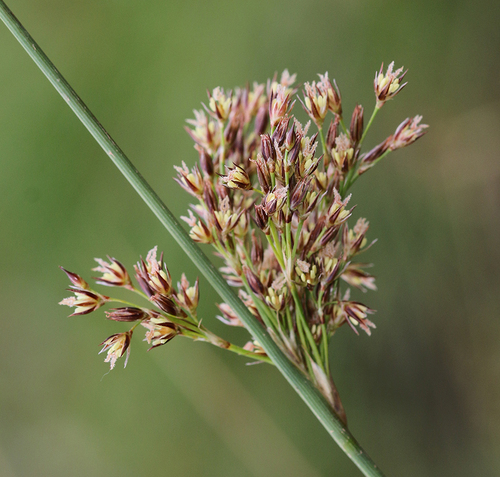
Dangleberry
gaylussacia frondosa
The Dangleberry is a small, sweet berry that grows on bushes in the forest. Kids love to pick these juicy berries and enjoy their delicious flavor during outdoor adventures!
Hábitat: Dangleberries thrive in moist, wooded areas and often grow in the understory of forests.
The Dangleberry has small, bell-shaped flowers that range from greenish-white to pink. Its roundish leaves are smooth and often turn reddish in autumn. The distinctive, powder-blue to black berries hang in clusters, often coated with a waxy bloom.
Categoría
PlantasRareza
Common
Peligro
0/5 · Sin peligro conocido
Snaps
¡Sé la primera persona en hacer un snap!
Dangleberries are a wild cousin to the popular blueberry and cranberry!
Its ripe berries often look like they're dusted with a pale, frosty powder!
Some leaves have sticky, resin dots on the underside you can feel!
The tiny flowers hang upside down, like little bells ringing in the forest!
Dangleberry produces tasty berries that attract animals, helping spread its seeds far and wide!
Its roots can survive underground fires and resprout, helping it thrive in areas that burn.
The Dangleberry partners with tiny underground fungi to help it gather extra nutrients from the soil.
Apis mellifera
They collect nectar from its tiny bell-flowers.
Odocoileus virginianus
They browse on its leaves and tender stems.
Ursus americanus
They enjoy feasting on its sweet, ripe berries.
Ambystoma tigrinum
Prefers cool, moist soil found under Dangleberry shrubs.
Los animales sociales viven en grupos organizados, cooperando para obtener beneficios de supervivencia como la búsqueda de alimento, la defensa y la cría de descendencia.
Colorido describe a organismos u objetos que exhiben una amplia variedad de colores brillantes y distintivos.
Este rasgo caracteriza a los organismos cuya dieta consiste total o principalmente en material vegetal.
Los hábitats boscosos son entornos terrestres dominados por una densa cubierta arbórea, que sustentan una gran diversidad de vida animal y vegetal.

Describe organismos que transfieren polen, permitiendo la fertilización y reproducción de las plantas.
Peligro
0/5 · Sin peligro conocido
Todavía no hay notas especiales de seguridad.
50-150 cm
50-150 cm
0.5-0.8 cm
Late spring to early summer
Sí
Ninguna
Perenne
Insectos
Acércate para separar los grupos y explorar dónde se ha fotografiado este objeto.
Los snaps recientes aparecerán aquí a medida que se añadan nuevas observaciones.