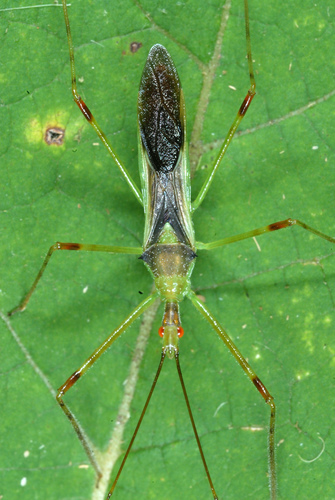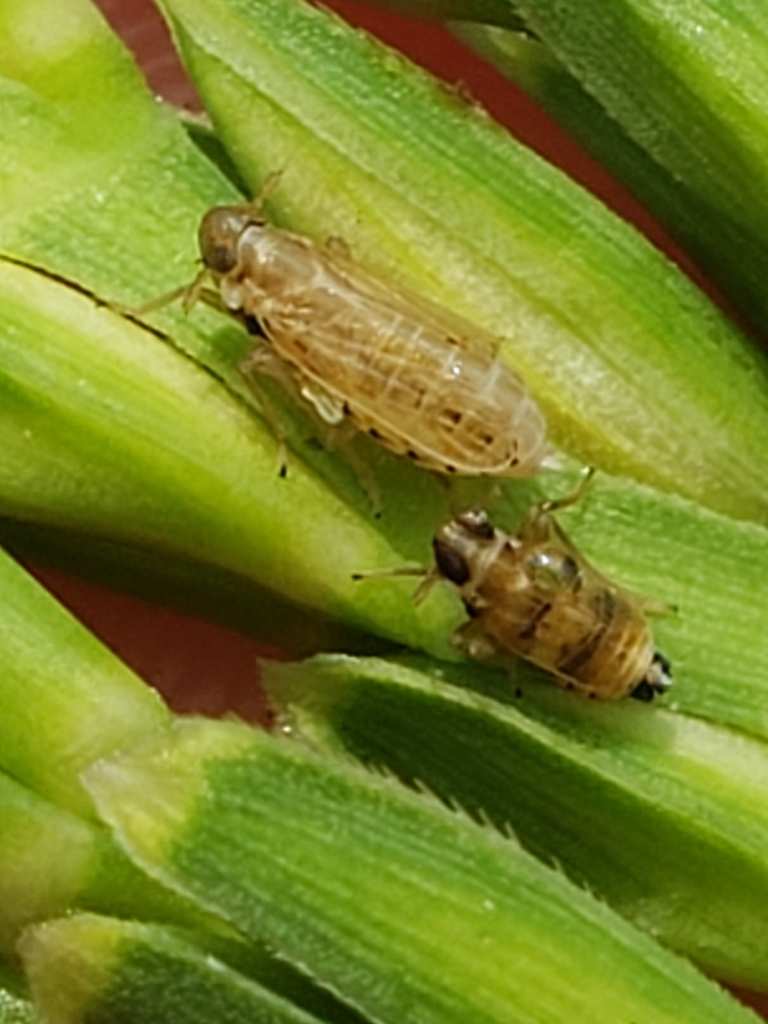





Delphacodes Shermani
delphacodes shermani
¡El Delphacodes Shermani es un pequeño insecto colorido al que le encanta saltar en jardines y campos. Son divertidos de observar mientras revolotean de flor en flor, ayudando a esparcir el polen!
Hábitat: Viven en jardines, campos y áreas cubiertas de hierba.
El Delphacodes Shermani es un diminuto saltamontes de color amarillo parduzco con delicadas alas transparentes que se mantienen como un tejado sobre su cuerpo. Su distintiva cabeza corta y ancha y sus patas traseras especializadas lo ayudan a diferenciarse de otros pequeños insectos saltadores.
Categoría
InsectosRareza
Común
Peligro
0/5 · Sin peligro conocido
Snaps
¡Sé la primera persona en hacer un snap!
¡Las crías de Delphacodes Shermani, llamadas ninfas, parecen sin alas y crecen mudando su piel!
¡Algunos saltamontes pueden saltar hacia atrás con la misma facilidad que hacia adelante, como un mini moonwalk!
¡Estos diminutos insectos beben savia líquida de las plantas usando una boca especial similar a una pajita!
¡Pueden 'hablar' entre sí vibrando las plantas, enviando mensajes secretos a través de los tallos!
El Delphacodes Shermani puede saltar increíblemente lejos para su tamaño gracias a sus poderosas y musculosas patas traseras que les ayudan a escapar de los depredadores.
El Delphacodes Shermani tiene un cuerpo sutilmente estampado que les ayuda a desaparecer entre las hierbas y los tallos de las plantas para evitar ser vistos.
El Delphacodes Shermani puede producir filamentos cerosos protectores que les ayudan a disuadir a los depredadores y prevenir la pérdida de agua.
Estos diminutos insectos beben savia de plantas utilizando sus piezas bucales en forma de pajita para obtener todos sus nutrientes.
Diferencias por edad: Las larvas también son depredadoras, a menudo encontradas en suelo húmedo o materia en descomposición.

Argiopinae aurantia
arañas como esta construyen telarañas para atrapar insectos saltadores.
Geocoris pallens
Este insecto depredador caza activamente pequeños insectos que viven en plantas.
Anagrus delicatus
Esta pequeña avispa pone sus huevos dentro de los huevos de los saltamontes.
Poecile atricapillus
Pequeños pájaros forrajean estos insectos en plantas de marisma.
Los animales solitarios viven solos durante la mayor parte de su vida y solo interactúan con otros para aparearse o cuidar de sus crías.
Colorido describe a organismos u objetos que exhiben una amplia variedad de colores brillantes y distintivos.
Este rasgo caracteriza a los organismos cuya dieta consiste total o principalmente en material vegetal.
Los animales diurnos están activos principalmente durante el día y suelen descansar o dormir por la noche.
Describe organismos que transfieren polen, permitiendo la fertilización y reproducción de las plantas.
Peligro
0/5 · Sin peligro conocido
Todavía no hay notas especiales de seguridad.
Busca seis patas, antenas, tres secciones en el cuerpo y la forma de las alas. Los escarabajos tienen las alas delanteras endurecidas; las moscas solo tienen un par que funciona. Los insectos diminutos pueden necesitar un primer plano antes de que se vea su grupo. Identificador de insectos: sube una foto y compara los detalles visibles.
4-8 mm
2-4 mm
30-60 días
1.5 km/h
Estos diminutos insectos beben savia de plantas utilizando sus piezas bucales en forma de pajita para obtener todos sus nutrientes.
Viven en jardines, campos y áreas cubiertas de hierba.
Forrajeo
Acércate para separar los grupos y explorar dónde se ha fotografiado este objeto.
Los snaps recientes aparecerán aquí a medida que se añadan nuevas observaciones.
Llévate el descubrimiento
Haz una foto con Snappit, identifica la especie y guarda el hallazgo en tu colección.