




Diacrodon Compressus
diacrodon compressus
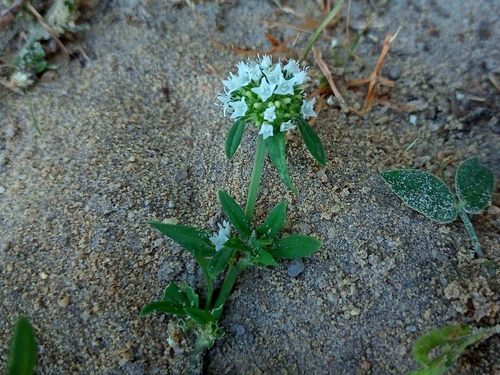
Diacrodon compressus es una planta herbácea o subarbusto resistente de crecimiento bajo, nativa de las regiones semiáridas de Brasil, especialmente dentro de los biomas de Caatinga y Cerrado. Perteneciente a la familia del café (Rubiaceae), esta planta especializada se ha adaptado para sobrevivir en suelos arenosos duros, pobres en nutrientes y secos. Su presencia común en ambientes estacionalmente secos la convierte en un componente vital de la cubierta vegetal local, donde ayuda a estabilizar los suelos frágiles contra la erosión eólica e hídrica. Aunque relativamente discreta en comparación con la flora leñosa más grande, Diacrodon compressus muestra la increíble adaptación de las plantas herbáceas a climas extremos y propensos a la sequía. Sus estructuras pequeñas y densamente compactas y sus eficientes mecanismos de retención de agua le permiten prosperar donde otras plantas se marchitan, convirtiéndola en un tema fascinante para el estudio botánico en la ecología de los bosques secos tropicales.
Hábitat: Se encuentra en matorrales semiáridos, vegetación de Caatinga y suelos arenosos o rocosos de bosques secos estacionales en Brasil.
Esta especie suele crecer como una pequeña hierba rastrera o subarbusto con tallos muy comprimidos, decumbentes o ascendentes. Presenta hojas pequeñas, opuestas y sésiles de forma lanceolada a elíptica, a menudo con márgenes ligeramente revolutos para conservar la humedad. Las flores son pequeñas, discretas y típicamente blancas o de color lila pálido, agrupadas en las axilas de las hojas. La característica más distintiva son sus cápsulas comprimidas y aplanadas o frutos secos (esquizocarpos), que dan a la especie su epíteto específico compressus.
Categoría
PlantasRareza
Común
Peligro
1/5 · Muy bajo
Snaps
¡Sé la primera persona en hacer un snap!
Durante los períodos de sequía intensa, puede desprender hojas o parecer completamente muerta, solo para revivir rápidamente a los pocos días de la primera lluvia.
Pertenece a la familia Rubiaceae, lo que la convierte en un pariente muy lejano de la planta de café comercial.
Su nombre de especie 'compressus' se refiere a sus frutos secos aplanados y comprimidos, que ayudan en el empaquetado eficiente de las semillas.
Presenta hojas pequeñas, gruesas y sésiles que reducen las tasas de transpiración para conservar agua preciosa durante las estaciones secas prolongadas.
Produce frutos capsulares aplanados y compactos que son altamente resistentes a la desecación y se dispersan fácilmente por el viento o la escorrentía local.
Crece a ras del suelo para evitar los fuertes vientos secos y maximizar la sombra bajo arbustos desérticos más grandes.
Como planta autótrofa, crea su propia energía a través de la fotosíntesis, convirtiendo la luz solar, el dióxido de carbono y el agua en azúcares.
Melipona subnitida
Visita las pequeñas flores en busca de néctar y polen, actuando como un polinizador clave.
Kerodon rupestris
Se alimenta de las hojas y tallos de plantas herbáceas en hábitats rocosos de la Caatinga.
Peludo describe a los animales que poseen una cubierta densa de pelo o pelaje suave.
Los animales sociales viven en grupos organizados, cooperando para obtener beneficios de supervivencia como la búsqueda de alimento, la defensa y la cría de descendencia.
Colorido describe a organismos u objetos que exhiben una amplia variedad de colores brillantes y distintivos.
Este rasgo caracteriza a los organismos cuya dieta consiste total o principalmente en material vegetal.
Los animales diurnos están activos principalmente durante el día y suelen descansar o dormir por la noche.
Todavía no hay alias listados.
Las colecciones para este objeto aparecerán aquí a medida que se añadan más temas.
Peligro
1/5 · Muy bajo
Todavía no hay notas especiales de seguridad.
Empieza por la planta entera y luego compara la disposición de las hojas, sus bordes, los tallos y las flores o frutos, si los hay. Las hojas opuestas crecen en parejas; las alternas salen de una en una a lo largo del tallo. Juntos, estos detalles dicen mucho más que una sola hoja verde. Identificador de plantas: sube una foto y compara los detalles visibles.
10-40 cm
1-5 años
Como planta autótrofa, crea su propia energía a través de la fotosíntesis, convirtiendo la luz solar, el dióxido de carbono y el agua en azúcares.
Se encuentra en matorrales semiáridos, vegetación de Caatinga y suelos arenosos o rocosos de bosques secos estacionales en Brasil.
Fotosíntesis
Acércate para separar los grupos y explorar dónde se ha fotografiado este objeto.
Los snaps recientes aparecerán aquí a medida que se añadan nuevas observaciones.
Llévate el descubrimiento
Haz una foto con Snappit, identifica la especie y guarda el hallazgo en tu colección.