





Diceroprocta cinctifera
Diceroprocta cinctifera
La Diceroprocta cinctifera, también conocida como cigarra rayada, es un insecto zumbador que ama el clima cálido. Tiene un patrón de rayas único en su cuerpo y canta una alegre melodía durante el verano.
Hábitat: Bosques
La Diceroprocta cinctifera es una cigarra robusta, típicamente verde con marcas negras en su cuerpo y cabeza. Sus alas claras y venosas se sostienen como una tienda de campaña sobre su espalda, a menudo mostrando tintes amarillentos o verdosos cerca del cuerpo, lo que la distingue de otras cigarras más marrones.
Categoría
InsectosRareza
Common
Peligro
1/5 · Muy bajo
Snaps
2
Las ninfas de cigarra usan sus fuertes patas delanteras para cavar túneles profundos bajo tierra.
Los machos de cigarra tienen poderosos órganos parecidos a tambores que producen su famoso zumbido.
¡Algunas especies de cigarras pueden sincronizar sus llamadas, creando un coro increíble!
Sus alas transparentes les ayudan a camuflarse en el follaje de los árboles.
La Diceroprocta cinctifera puede producir llamadas extremadamente fuertes vibrando rápidamente membranas especiales llamadas timbales, lo que les ayuda a atraer parejas.
La Diceroprocta cinctifera tiene piezas bucales especializadas para perforar y succionar que les ayudan a beber savia rica en nutrientes directamente del xilema de los árboles.
Las ninfas de Diceroprocta cinctifera pueden vivir bajo tierra durante años, alimentándose silenciosamente de la savia de las raíces de los árboles mientras evitan a los depredadores.
Estos insectos sorben savia nutritiva de árboles y arbustos para obtener toda su energía.
Diferencias por edad: Las ninfas se alimentan de savia de las raíces de los árboles bajo tierra, mientras que los adultos se alimentan de savia de ramas y ramitas sobre tierra.
Quercus agrifolia
Se alimentan de la savia de sus ramas y raíces.

Sialia mexicana
Las cigarras adultas son una comida rica en proteínas para estas aves.
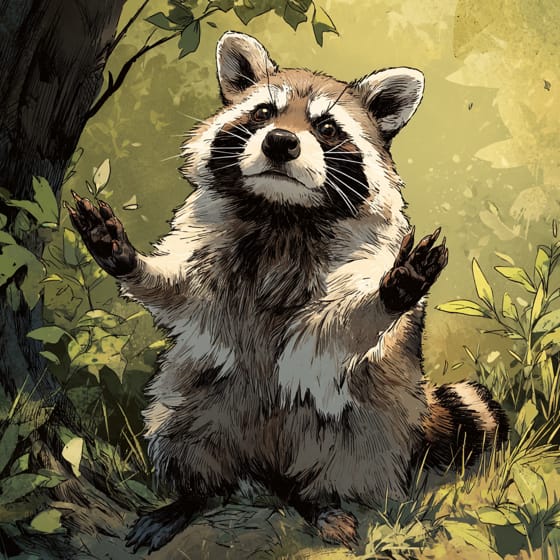
Procyon lotor
Las ninfas y los adultos caídos a menudo son atrapados por mapaches oportunistas.
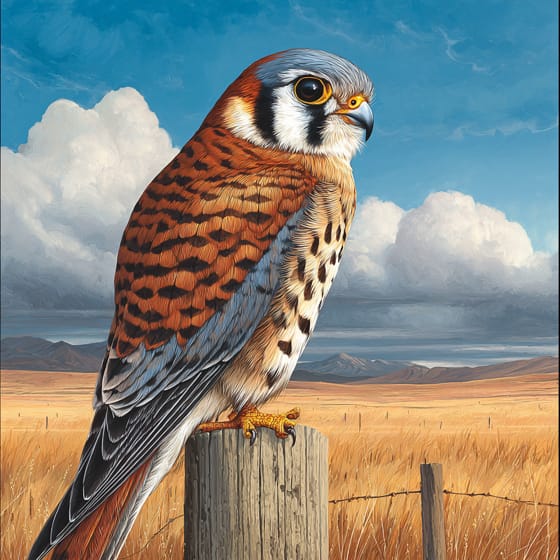
Falco sparverius
Estos pequeños halcones arrebatan hábilmente las cigarras del aire.
Marcado con bandas paralelas o líneas de color.
Los animales sociales viven en grupos organizados, cooperando para obtener beneficios de supervivencia como la búsqueda de alimento, la defensa y la cría de descendencia.
Los animales cantores producen vocalizaciones complejas, a menudo con el propósito de atraer parejas, defender el territorio o comunicarse dentro de su especie.
Este rasgo caracteriza a los organismos cuya dieta consiste total o principalmente en material vegetal.

Los hábitats boscosos son entornos terrestres dominados por una densa cubierta arbórea, que sustentan una gran diversidad de vida animal y vegetal.

Los animales diurnos están activos principalmente durante el día y suelen descansar o dormir por la noche.

Describe organismos que transfieren polen, permitiendo la fertilización y reproducción de las plantas.
Peligro
1/5 · Muy bajo
Las cigarras son inofensivas, pero es mejor observarlas desde la distancia.
La forma más fácil de identificar a Diceroprocta cinctifera es usar la aplicación de identificación de naturaleza Snappit.
80-100 mm
35-45 mm
21-42 días
10 km/h
Estos insectos sorben savia nutritiva de árboles y arbustos para obtener toda su energía.
Bosques
Forrajeo
Acércate para separar los grupos y explorar dónde se ha fotografiado este objeto.
Llévate el descubrimiento
Haz una foto con Snappit, identifica la especie y guarda el hallazgo en tu colección.








.jpg&width=800)



