_Figures_27%2C_28.jpg&width=800)





Dichelotarsus
Dichelotarsus
Dichelotarsus es un insecto único conocido por su cuerpo colorido y formas interesantes. ¡Estas pequeñas criaturas se pueden encontrar en varios hábitats y son divertidas de descubrir en la naturaleza!
Hábitat: Zonas urbanas
El Dichelotarsus es un escarabajo de cuerpo esbelto, típicamente de color marrón oscuro o negro con un margen rojo anaranjado en su escudo cefálico (pronoto). Sus élitros (alas delanteras endurecidas) cubren un órgano productor de luz en la punta de su abdomen, lo que lo distingue visualmente de la mayoría de los otros escarabajos.
Categoría
InsectosRareza
Common
Peligro
1/5 · Muy bajo
Snaps
1
¡Cada especie de luciérnaga tiene su propio código secreto de destellos!
¡Las larvas de luciérnaga también brillan para advertir a los depredadores que saben mal!
¡Algunas luciérnagas hembras astutas se comen a los machos de otras especies!
¡Estas 'moscas' son en realidad escarabajos, no moscas verdaderas en absoluto!
Las larvas de Dichelotarsus son cazadores activos, mientras que los adultos a menudo no se alimentan o sorben néctar.
Diferencias por edad: Las larvas son depredadoras, mientras que los adultos pueden no alimentarse o consumir néctar/polen mínimamente.
Los animales sociales viven en grupos organizados, cooperando para obtener beneficios de supervivencia como la búsqueda de alimento, la defensa y la cría de descendencia.
El camuflaje describe a los organismos que poseen colores o patrones que les permiten mezclarse con su entorno.
Colorido describe a organismos u objetos que exhiben una amplia variedad de colores brillantes y distintivos.
Este rasgo caracteriza a los organismos cuya dieta consiste total o principalmente en material vegetal.

Describe plantas que son particularmente atractivas y beneficiosas para una amplia variedad de organismos polinizadores.

Los animales diurnos están activos principalmente durante el día y suelen descansar o dormir por la noche.

Esta característica de hábitat indica especies que pueden coexistir con los humanos en entornos urbanos y suburbanos, utilizando estructuras artificiales y espacios verdes.

Describe organismos que transfieren polen, permitiendo la fertilización y reproducción de las plantas.
Todavía no hay alias listados.
Peligro
1/5 · Muy bajo
Siempre mira, pero no toques los insectos a menos que un adulto diga que está bien.
La forma más fácil de identificar a Dichelotarsus es usar la aplicación de identificación de naturaleza Snappit.
20-40 mm
10-20 mm
14-28 días
8 km/h
Las larvas de Dichelotarsus son cazadores activos, mientras que los adultos a menudo no se alimentan o sorben néctar.
Zonas urbanas
Búsqueda De Alimento
Acércate para separar los grupos y explorar dónde se ha fotografiado este objeto.

Connecticut, US
Puedes ver Artemisa Común, Ardilla Gris Oriental y Chingolo Gorjiblanco.
Ver guía →

British Columbia, CA
Puedes ver Pipsissewa, Orquídea De Cascabel Occidental y Salal.
Ver guía →

British Columbia, CA
Puedes ver Babosa Banana Del Pacífico y Rocío De Sol De Hojas Redondas.
Ver guía →
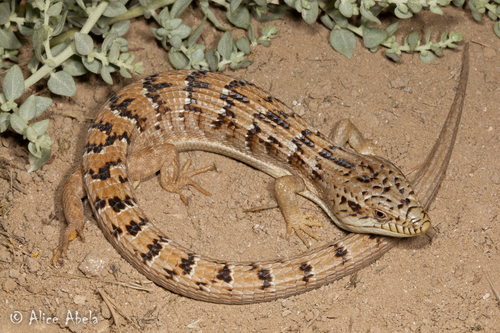
California, US
Puedes ver Lagarto Aligátor Sureño, Pastos y Amor De Hortelano.
Ver guía →
Llévate el descubrimiento
Haz una foto con Snappit, identifica la especie y guarda el hallazgo en tu colección.







.jpg&width=800)



