





Dilophus spinipes
Dilophus spinipes
Dilophus spinipes es un insecto único conocido por sus largas patas y colores brillantes. Le encanta saltar en jardines y campos, ¡lo que lo hace divertido de detectar!
Hábitat: Pastizales
El Dilophus spinipes es una mosca pequeña y robusta con un cuerpo oscuro y una cabeza relativamente pequeña. Tiene patas delanteras distintivas y espinosas, especialmente en la tibia, que le dan su nombre. Sus alas son claras con venas prominentes, lo que la hace parecer resistente para su tamaño.
Categoría
InsectosRareza
Common
Peligro
1/5 · Muy bajo
Snaps
¡Sé la primera persona en hacer un snap!
¡Las moscas Dilophus spinipes adultas a veces se confunden con mosquitos diminutos, pero no pican!
¡Los Dilophus spinipes bebés viven bajo tierra, masticando plantas en descomposición!
¡Su nombre científico, 'spinipes', significa 'patas espinosas' en latín, describiendo sus geniales patas!
¡Desempeñan un papel secreto en la naturaleza, ayudando a que las hojas muertas desaparezcan en el suelo!
El Dilophus spinipes tiene robustas patas delanteras espinosas que les ayudan a excavar en el suelo para poner huevos o emerger.
El Dilophus spinipes puede volar rápidamente debido a sus fuertes alas, lo que les ayuda a encontrar pareja y nuevas fuentes de alimento.
Las larvas de Dilophus spinipes son detritívoras, descomponiendo materia orgánica que ayuda a reciclar nutrientes en el suelo.
Los adultos sorben néctar, mientras que sus larvas son pequeños descomponedores, comiendo plantas en descomposición en el suelo.
Diferencias por edad: Las larvas comen materia orgánica en descomposición en el suelo; los adultos se alimentan de néctar.
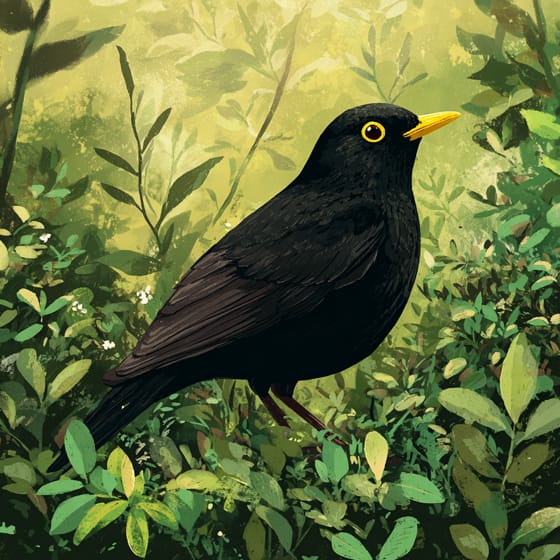
Turdus merula
Consume larvas de Dilophus spinipes del suelo.

Ranunculus acris
Los adultos visitan las flores en busca de néctar, ayudando a la reproducción de las plantas.
Pterostichus melanarius
Depreda larvas de Dilophus spinipes en la capa superior del suelo.
Colorido describe a organismos u objetos que exhiben una amplia variedad de colores brillantes y distintivos.
Este rasgo caracteriza a los organismos cuya dieta consiste total o principalmente en material vegetal.
Describe plantas que son particularmente atractivas y beneficiosas para una amplia variedad de organismos polinizadores.
Los hábitats de pastizales son biomas terrestres dominados por pastos y plantas herbáceas, que sustentan a una variedad de animales de pastoreo.

Los animales diurnos están activos principalmente durante el día y suelen descansar o dormir por la noche.

Relativo a especies que son significativamente más pequeñas que lo típico o promedio de su tipo.

Este rasgo identifica a los organismos que exhiben una rapidez excepcional en sus movimientos para cazar, escapar o desplazarse.

Describe organismos que transfieren polen, permitiendo la fertilización y reproducción de las plantas.
Todavía no hay alias listados.
Peligro
1/5 · Muy bajo
Es seguro observar este insecto, pero no lo toque, ya que podría asustarse.
La forma más fácil de identificar a Dilophus spinipes es usar la aplicación de identificación de naturaleza Snappit.
6-10 mm
3-5 mm
7-14 días
8 km/h
Los adultos sorben néctar, mientras que sus larvas son pequeños descomponedores, comiendo plantas en descomposición en el suelo.
Pastizales
Forrajeo
Acércate para separar los grupos y explorar dónde se ha fotografiado este objeto.
Los snaps recientes aparecerán aquí a medida que se añadan nuevas observaciones.
Llévate el descubrimiento
Haz una foto con Snappit, identifica la especie y guarda el hallazgo en tu colección.






.jpg&width=800)



