Domestic Horse
Equus caballus
Domestic horses are gentle and strong animals that have been friends with people for a long time. They come in many colors and sizes, and they love to run and play in fields.
Hábitat: Grasslands
The Domestic Horse is a large, hoofed mammal with a long head and muscular body. They have a flowing mane and tail, and coats come in almost every color, from black and white to shades of brown, red, and gold, often with unique markings.
Categoría
MamíferosRareza
Common
Peligro
3/5 · Moderado
Snaps
¡Sé la primera persona en hacer un snap!
A horse's age can be estimated by looking at the wear and changes in their teeth!
A horse's eyes are on the sides of their head, giving them nearly 360-degree vision!
Horses cannot vomit, which means they have a very unique digestive system!
Horses only walk on one 'toe' on each foot, protected by a hard hoof!
Domestic Horse can run swiftly and powerfully because of their strong, muscled legs that help them cover long distances quickly.
Domestic Horse has large, flat molars that help them grind tough plant material like grass and hay into digestible bits.
Domestic Horse has wide-set eyes, excellent hearing, and a keen sense of smell that help them detect threats and food.
Domestic Horses are herbivores that munch on grasses, hay, and other plant matter to get their energy.
Diferencias por edad: Young horses, called foals, drink their mother's milk before transitioning to solid plant foods.
Canis lupus
Wild or feral horses can be prey for large predators.
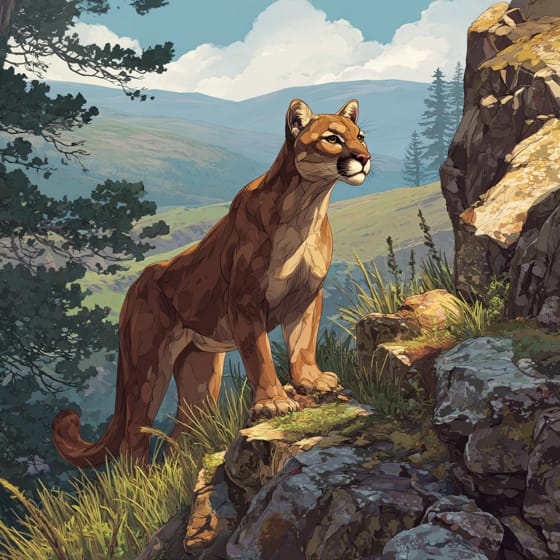
Puma concolor
In some wild or feral ranges, pumas may hunt horses.
Homo sapiens
Humans have a long history of working with and caring for horses.
Poa pratensis
A common pasture grass that forms a main part of their diet.
Peludo describe a los animales que poseen una cubierta densa de pelo o pelaje suave.
Los animales sociales viven en grupos organizados, cooperando para obtener beneficios de supervivencia como la búsqueda de alimento, la defensa y la cría de descendencia.
Este rasgo caracteriza a los organismos cuya dieta consiste total o principalmente en material vegetal.
Los hábitats de pastizales son biomas terrestres dominados por pastos y plantas herbáceas, que sustentan a una variedad de animales de pastoreo.

Domesticado se refiere a las especies que han sido criadas selectivamente y domadas por los humanos con fines específicos.

Los animales diurnos están activos principalmente durante el día y suelen descansar o dormir por la noche.

Describe una especie cuya presencia y papel tienen un efecto desproporcionadamente grande en su entorno.

Este rasgo identifica a los organismos que exhiben una rapidez excepcional en sus movimientos para cazar, escapar o desplazarse.
Todavía no hay alias listados.
Peligro
3/5 · Moderado
Always stay calm and quiet around horses, and ask an adult before getting close.
140-250 cm
350-1000 kg
25-30 años
70 km/h
Domestic Horses are herbivores that munch on grasses, hay, and other plant matter to get their energy.
Grasslands
Grazing
1
Acércate para separar los grupos y explorar dónde se ha fotografiado este objeto.
Los snaps recientes aparecerán aquí a medida que se añadan nuevas observaciones.