
.jpg&width=800)





Dot-Lined White
artace cribrarius
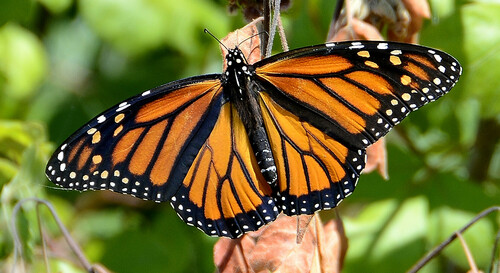
The Dot-Lined White is a beautiful butterfly with striking white wings adorned with delicate black lines. Kids love to spot them fluttering around gardens and meadows!
Hábitat: Dot-Lined Whites thrive in gardens, meadows, and open fields.
The Dot-Lined White is a small to medium-sized moth with pure white wings speckled with numerous tiny, distinct black dots. Its body is also covered in soft, white, downy hairs, giving it a fluffy appearance that makes it visually different from a flat-winged butterfly.
Categoría
InsectosRareza
Common
Peligro
0/5 · Sin peligro conocido
Snaps
¡Sé la primera persona en hacer un snap!
Despite its name, its relatives are famous for 'tent' nests, but this one's caterpillar is a solitary wanderer!
Its caterpillars wear a fuzzy coat of bristles, looking quite different from the adults!
Like many moths, it's drawn to bright lights at night, making it easy to spot!
This beautiful 'white butterfly' is actually a moth, often flying at night!
Dot-Lined White can vanish into snowy or lichen-covered environments because its white wings with black dots provide excellent camouflage.
Dot-Lined White has special antennae that can detect invisible scent signals, helping males find females over long distances for mating.
Dot-Lined White can fly accurately in the dark, guiding itself using moonlight and scent trails to find mates and host plants.
Dot-Lined White larvae can spin a strong silk cocoon, which protects them as they transform into adult moths during pupation.
Tiny caterpillars munch on leaves, while adult moths prefer sips of sweet flower nectar.
Diferencias por edad: Larvae consume leaves from host plants, while adults only drink nectar or other liquid sustenance.
Quercus alba
Larvae feed on the leaves of this tree.
Salix nigra
Caterpillars often munch on willow foliage.
Myotis lucifugus
Bats actively hunt flying moths at night.
Turdus migratorius
Birds may catch caterpillars or resting adults.
Los animales sociales viven en grupos organizados, cooperando para obtener beneficios de supervivencia como la búsqueda de alimento, la defensa y la cría de descendencia.
El camuflaje describe a los organismos que poseen colores o patrones que les permiten mezclarse con su entorno.
Colorido describe a organismos u objetos que exhiben una amplia variedad de colores brillantes y distintivos.
Los animales diurnos están activos principalmente durante el día y suelen descansar o dormir por la noche.

Describe organismos que transfieren polen, permitiendo la fertilización y reproducción de las plantas.
Peligro
0/5 · Sin peligro conocido
Todavía no hay notas especiales de seguridad.
28-42 mm
15-25 mm
7-14 días
Tiny caterpillars munch on leaves, while adult moths prefer sips of sweet flower nectar.
Dot-Lined Whites thrive in gardens, meadows, and open fields.
Foraging
6
Acércate para separar los grupos y explorar dónde se ha fotografiado este objeto.
Los snaps recientes aparecerán aquí a medida que se añadan nuevas observaciones.




.jpg&width=800)







