




Drymosphace
Drymosphace
El Drymosphace es una criatura juguetona y pequeña a la que le encanta explorar el bosque. Con su pelaje esponjoso y su naturaleza curiosa, siempre está buscando nuevas aventuras.
Hábitat: El Drymosphace vive en exuberantes bosques y prados cubiertos de hierba.
El Drymosphace es un mamífero pequeño y ágil con ojos grandes y reflectantes y pelaje suave, moteado de marrón-verde. Su cola larga y tupida es a menudo tan larga como su cuerpo, y tiene distintivas manchas blancas alrededor de sus ojos y orejas, dándole una apariencia enmascarada.
Categoría
PlantasRareza
Común
Peligro
1/5 · Muy bajo
Snaps
¡Sé la primera persona en hacer un snap!
¡Un Drymosphace puede colgarse boca abajo de su cola durante varios minutos sin cansarse!
¡Las madres Drymosphace a menudo llevan a sus crías en la espalda durante las primeras semanas de vida!
¡Sus ojos reflectantes brillan de color verde brillante o rojo cuando son capturados por un rayo de luz por la noche, wow!
Estas astutas criaturas construyen nidos acogedores y esféricos en lo alto de los huecos de los árboles usando hojas y musgo.
El Drymosphace disfruta de una sabrosa mezcla de frutas tropicales, insectos y ocasionalmente pequeños manjares del suelo del bosque.
Peludo describe a los animales que poseen una cubierta densa de pelo o pelaje suave.
Los animales sociales viven en grupos organizados, cooperando para obtener beneficios de supervivencia como la búsqueda de alimento, la defensa y la cría de descendencia.
Este rasgo caracteriza a los organismos cuya dieta consiste total o principalmente en material vegetal.
Los animales diurnos están activos principalmente durante el día y suelen descansar o dormir por la noche.
Los animales nocturnos están principalmente activos durante la noche, y suelen descansar o dormir durante el día.
Peligro
1/5 · Muy bajo
Observa siempre la vida silvestre desde la distancia.
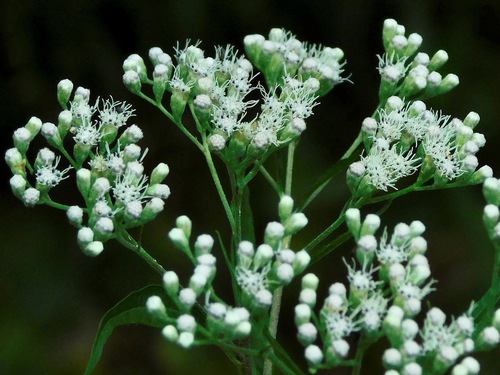
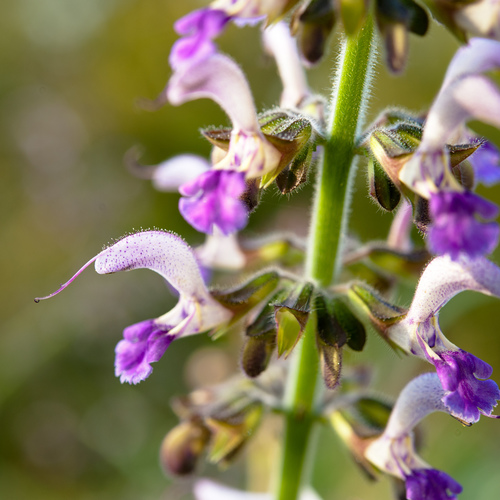
Empieza por la planta entera y luego compara la disposición de las hojas, sus bordes, los tallos y las flores o frutos, si los hay. Las hojas opuestas crecen en parejas; las alternas salen de una en una a lo largo del tallo. Juntos, estos detalles dicen mucho más que una sola hoja verde. Identificador de plantas: sube una foto y compara los detalles visibles.
25-45 cm
0.8-2.5 kg
7-12 años
20 km/h
El Drymosphace disfruta de una sabrosa mezcla de frutas tropicales, insectos y ocasionalmente pequeños manjares del suelo del bosque.
El Drymosphace vive en exuberantes bosques y prados cubiertos de hierba.
Forrajeo
Acércate para separar los grupos y explorar dónde se ha fotografiado este objeto.
Los snaps recientes aparecerán aquí a medida que se añadan nuevas observaciones.
Llévate el descubrimiento
Haz una foto con Snappit, identifica la especie y guarda el hallazgo en tu colección.