

Dryopteris Oligodonta
dryopteris oligodonta
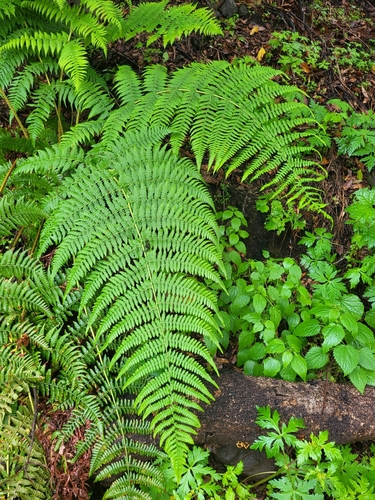
Dryopteris oligodonta, comúnmente conocida como el helecho de madera de las Islas Canarias, es un helecho majestuoso y robusto endémico del singular archipiélago macaronésico. Es una característica definitoria de los bosques húmedos de laurisilva y los bosques de fayal-brezal de las Islas Canarias, donde prospera en los ambientes muy sombríos y húmedos de los barrancos volcánicos. Esta antigua especie vegetal actúa como un vínculo vivo con la flora terciaria que una vez dominó la cuenca mediterránea antes de la última edad de hielo. Creciendo a partir de un rizoma robusto y rastrero, este helecho produce espectaculares arcos de frondas verdes y exuberantes que pueden alcanzar hasta dos metros de altura. Desempeña un papel ecológico vital en su hábitat nativo, capturando la humedad de las nubes de vientos alisios que pasan y proporcionando refugio a una multitud de invertebrados del suelo forestal.
Hábitat: Se encuentra en barrancos volcánicos profundos y húmedos y bajo el denso dosel siempreverde de los bosques de laurisilva macaronésicos.
Este helecho grande y perenne presenta frondas bipinnadas a tripinnadas que son anchas, triangulares y de color verde brillante a verde oscuro. Las frondas pueden alcanzar longitudes de 100 a 200 centímetros. Una característica clave de identificación es la densa cobertura de escamas de color marrón dorado, similares al papel, a lo largo del pecíolo y el tallo central. En el envés de las pínnulas maduras, se pueden observar hileras dobles de soros circulares productores de esporas, cada uno protegido por una membrana distintiva en forma de riñón llamada indusio.
Categoría
PlantasRareza
Común
Peligro
1/5 · Muy bajo
Snaps
¡Sé la primera persona en hacer un snap!
Dryopteris oligodonta es una reliquia del Terciario, lo que significa que pertenece a un linaje de plantas que ha sobrevivido en gran parte inalterado durante millones de años.
Algunas frondas individuales pueden crecer tanto que barren el suelo del bosque, actuando como trampas naturales para los restos orgánicos que caen, los cuales se descomponen y alimentan al helecho.
Las densas escamas de color marrón dorado que cubren sus tallos actúan como una esponja, atrapando la humedad y creando un pequeño microhábitat para organismos microscópicos directamente en la planta.
Como planta fotosintética, genera su propia energía a partir de la luz solar, el agua y el dióxido de carbono, mientras absorbe minerales esenciales del suelo húmedo del bosque.
Aún no hay insignias de rasgos asignadas a este objeto.
Todavía no hay alias listados.
Las colecciones para este objeto aparecerán aquí a medida que se añadan más temas.
Peligro
1/5 · Muy bajo
Todavía no hay notas especiales de seguridad.
Compara la forma de la fronda, cómo se disponen los foliolos, el pecíolo y los grupos de esporas que se vean. Un solo foliolo suelto suele ocultar el porte general de la planta. Identificador de helechos: sube una foto y compara los detalles visibles.
100-200 cm
10-50 años
Como planta fotosintética, genera su propia energía a partir de la luz solar, el agua y el dióxido de carbono, mientras absorbe minerales esenciales del suelo húmedo del bosque.
Se encuentra en barrancos volcánicos profundos y húmedos y bajo el denso dosel siempreverde de los bosques de laurisilva macaronésicos.
Fotosíntesis
Acércate para separar los grupos y explorar dónde se ha fotografiado este objeto.
Los snaps recientes aparecerán aquí a medida que se añadan nuevas observaciones.
Llévate el descubrimiento
Haz una foto con Snappit, identifica la especie y guarda el hallazgo en tu colección.