






Dusky Grouse
Dendragapus obscurus
The Dusky Grouse is a special bird that loves to live in the mountains. With its fluffy feathers and unique calls, it can be a fun surprise to spot while hiking in the woods!
Hábitat: Mountain regions
The Dusky Grouse is a robust, dark-feathered bird often found on forest floors. Males are mostly dark gray, featuring a striking yellow-orange air sac and a yellow comb above the eye during display, bordered by white feathers. Females are a mottled brown and gray, providing excellent camouflage.
Categoría
AvesRareza
Common
Peligro
1/5 · Muy bajo
Snaps
¡Sé la primera persona en hacer un snap!
Chicks can leave the nest and find their own food just a few hours after hatching!
Did you know male Dusky Grouse puff up their chest sacs to look like big, colorful balloons?
In winter, they often bury themselves in soft snow to stay warm and hide from hungry predators!
They swallow tiny stones called grit, which helps them grind up tough plant foods like needles!
Dusky Grouse can survive harsh winters by eating tough conifer needles, thanks to their strong gizzards.
Males have inflatable neck sacs that let them make deep, resonant booming sounds to attract females.
The Dusky Grouse has mottled brown and gray feathers that help them blend perfectly into the forest floor, hiding from predators.
Dusky Grouse mostly munch on plants like leaves, berries, and conifer needles, especially in winter!
Diferencias por edad: Young chicks eat more insects for protein; adults are primarily herbivorous.
Bubo virginianus
Owls hunt grouse in forests at dawn and dusk.
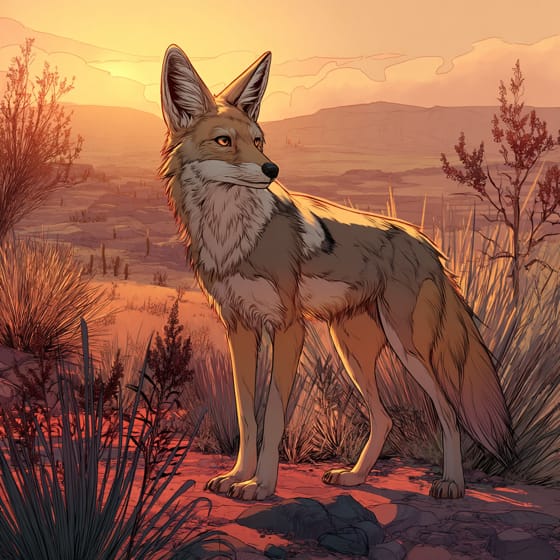
Canis latrans
Coyotes stalk grouse on the forest floor looking for a meal.
Pinus contorta
Grouse eat its tough needles, especially during winter.
Vaccinium membranaceum
They forage for sweet berries in late summer and fall.
Pseudotsuga menziesii
Tall firs provide roosting sites and protection from predators.
Describe a los animales, principalmente aves, que poseen una cubierta de plumas.
Los animales solitarios viven solos durante la mayor parte de su vida y solo interactúan con otros para aparearse o cuidar de sus crías.
Los animales cantores producen vocalizaciones complejas, a menudo con el propósito de atraer parejas, defender el territorio o comunicarse dentro de su especie.
El camuflaje describe a los organismos que poseen colores o patrones que les permiten mezclarse con su entorno.

Este rasgo caracteriza a los organismos cuya dieta consiste total o principalmente en material vegetal.

Este rasgo de hábitat identifica a las especies que se encuentran en regiones montañosas, caracterizadas por su gran altitud, pendientes pronunciadas y zonas climáticas variables.

Los animales diurnos están activos principalmente durante el día y suelen descansar o dormir por la noche.
Todavía no hay alias listados.
Peligro
1/5 · Muy bajo
If you see a Dusky Grouse, watch quietly from a distance so you don't scare it away.
45-58 cm
65-71 cm
0.9-1.4 kg
3-8 años
60 km/h
Dusky Grouse mostly munch on plants like leaves, berries, and conifer needles, especially in winter!
Mountain regions
Foraging
Acércate para separar los grupos y explorar dónde se ha fotografiado este objeto.
Los snaps recientes aparecerán aquí a medida que se añadan nuevas observaciones.

British Columbia, CA
Puedes ver Common Golden-Mantled Ground Squirrel y Giant Red Paintbrush.
Ver guía →

British Columbia, CA
Puedes ver White Pasqueflower, Hoary Marmot y Columbian Ground Squirrel.
Ver guía →




.jpg&width=800)





.jpg&width=800)


.jpeg&width=800)

