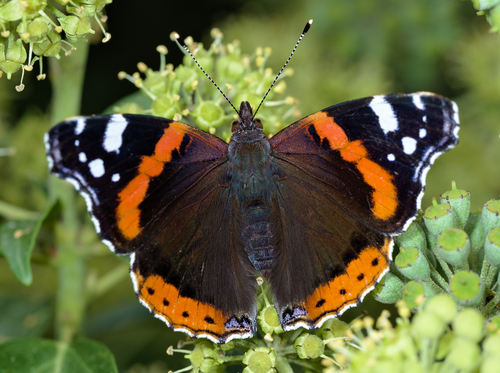
Early Bumble Bee
Bombus pratorum
The Early Bumble Bee is a fuzzy little insect that loves to buzz around flowers. They help plants grow by spreading pollen, making them super important for nature!
Hábitat: Grasslands
The Early Bumble Bee is a relatively small, fuzzy bumblebee with a black body, a distinct yellow band around its 'neck', and a bright orange-red tail. Some individuals may also have a yellow band on their abdomen. This striking color combination helps distinguish it from other bumblebee species.
Categoría
InsectosRareza
Common
Peligro
2/5 · Bajo
Snaps
¡Sé la primera persona en hacer un snap!
Early Bumble Bees have five eyes: two big ones for sight and three tiny ones on top of their head!
The queen is the only Early Bumble Bee who lives through winter to start a whole new family in spring!
Their tiny antennae are super sensitive and can smell amazing flowers from far away!
They build a waxy 'honey pot' inside their nest to store lots of delicious nectar for rainy days.
Early Bumble Bee can vibrate flowers at a special frequency to release pollen that helps them get more food for the colony.
Early Bumble Bee can fly in cooler spring weather because their fuzzy bodies and shivering muscles help them stay warm.
Early Bumble Bee has a special 'honey stomach' to carry nectar back to their nest that helps feed hungry larvae and other bees.
Early Bumble Bees sip nectar for energy and collect pollen for protein from many types of flowers.
Salix caprea
An early source of nectar and pollen.
Symphytum officinale
A popular flower for long-tongued bumblebees.
Meles meles
Badgers may dig up nests for larvae and honey.
Bombus sylvestris
Lays eggs in their nests, letting hosts raise young.
Peludo describe a los animales que poseen una cubierta densa de pelo o pelaje suave.
Los animales sociales viven en grupos organizados, cooperando para obtener beneficios de supervivencia como la búsqueda de alimento, la defensa y la cría de descendencia.
Este rasgo caracteriza a los organismos cuya dieta consiste total o principalmente en material vegetal.
Describe plantas que son particularmente atractivas y beneficiosas para una amplia variedad de organismos polinizadores.

Los hábitats de pastizales son biomas terrestres dominados por pastos y plantas herbáceas, que sustentan a una variedad de animales de pastoreo.

Los animales diurnos están activos principalmente durante el día y suelen descansar o dormir por la noche.

Describe una especie cuya presencia y papel tienen un efecto desproporcionadamente grande en su entorno.

Describe organismos que transfieren polen, permitiendo la fertilización y reproducción de las plantas.
Peligro
2/5 · Bajo
Be gentle and calm around bees; they usually won't sting unless they feel scared.
15-30 mm
9-17 mm
20-200 días
18 km/h
Early Bumble Bees sip nectar for energy and collect pollen for protein from many types of flowers.
Grasslands
Foraging
6
Acércate para separar los grupos y explorar dónde se ha fotografiado este objeto.
Los snaps recientes aparecerán aquí a medida que se añadan nuevas observaciones.