.jpg&width=800)





Eastern Chipmunk
Tamias striatus
The Eastern Chipmunk is a small, striped animal that loves to scurry around looking for food. They have big cheeks to store their snacks and are often seen in gardens and parks.
Hábitat: Forests
The Eastern Chipmunk is a small, striped rodent with reddish-brown fur, a pale belly, and distinctive dark and light stripes running down its back. It has two white stripes and a dark stripe on each side of its face. Its bushy tail is shorter than its body.
Categoría
MamíferosRareza
Common
Peligro
1/5 · Muy bajo
Snaps
¡Sé la primera persona en hacer un snap!
A chipmunk's heart can beat over 350 times a minute when it's excited or scared!
Baby chipmunks are born blind and hairless, completely dependent on their mother for weeks!
Chipmunks collect hundreds of nuts each year for winter, but often forget where they buried them!
They build separate 'bathroom' tunnels in their burrows to keep their living areas clean!
Eastern Chipmunks have expandable cheek pouches that help them carry large amounts of food back to their burrows to store.
Eastern Chipmunks can dig intricate underground burrows with multiple tunnels and chambers to store food and sleep safely.
Eastern Chipmunks can enter a state of torpor (light hibernation) in winter, waking frequently to snack on stored food.
A tiny omnivore, they feast on seeds, nuts, fruits, and insects, storing food for later.
Buteo jamaicensis
A common aerial predator in their habitat.
Vulpes vulpes
A swift ground predator hunting them in forests.
Quercus rubra
Relies on acorns from oak trees for a major food source.
Fagus grandifolia
Feeds on the nutritious nuts produced by beech trees.
Peludo describe a los animales que poseen una cubierta densa de pelo o pelaje suave.
Marcado con bandas paralelas o líneas de color.
Los animales sociales viven en grupos organizados, cooperando para obtener beneficios de supervivencia como la búsqueda de alimento, la defensa y la cría de descendencia.
Este rasgo identifica organismos cuya dieta incluye tanto materia vegetal como animal.

Los animales excavadores cavan túneles y cámaras en el suelo y utilizan estas estructuras subterráneas para refugiarse, cazar o reproducirse.

Los hábitats boscosos son entornos terrestres dominados por una densa cubierta arbórea, que sustentan una gran diversidad de vida animal y vegetal.

Los animales hibernantes entran en un estado de depresión metabólica durante períodos de frío o escasez de alimentos, caracterizado por una reducción de la temperatura corporal y la actividad.

Los animales diurnos están activos principalmente durante el día y suelen descansar o dormir por la noche.

Este rasgo identifica a los organismos que exhiben una rapidez excepcional en sus movimientos para cazar, escapar o desplazarse.
Todavía no hay alias listados.
Peligro
1/5 · Muy bajo
Watch from a distance and don't try to touch or catch chipmunks, as they can be scared easily.
18-26 cm
0.05-0.12 kg
2-3 años
25 km/h
A tiny omnivore, they feast on seeds, nuts, fruits, and insects, storing food for later.
Forests
Foraging
2-8
Acércate para separar los grupos y explorar dónde se ha fotografiado este objeto.
Los snaps recientes aparecerán aquí a medida que se añadan nuevas observaciones.
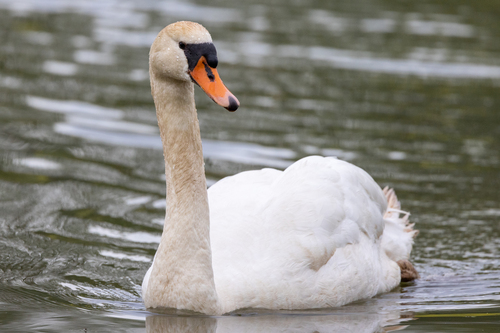
New York, US
Puedes ver Cisne Vulgar, Pato y Gorrión Común.
Ver guía →
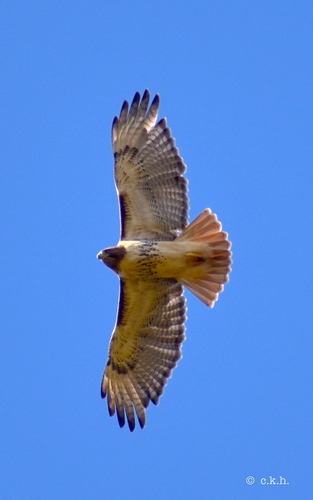
New Hampshire, US
Puedes ver Busardo Colirrojo, Cardenal Norteño y Chipping Sparrow.
Ver guía →

Virginia, US
Puedes ver Ciervo De Cola Blanca, Gorrión Común y Ardilla Gris Oriental.
Ver guía →

Ohio, US
Puedes ver Petirrojo Americano, Ciervo De Cola Blanca y Halcón Peregrino.
Ver guía →

New Jersey, US
Puedes ver Ciervo De Cola Blanca, Barnacla Canadiense y Tordo Sargento.
Ver guía →
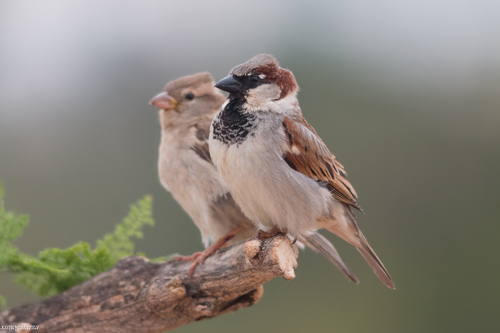
Massachusetts, US
Puedes ver Gorrión Común, Garlic Mustard y Pato.
Ver guía →