






Eastern Cicada-killer Wasp
Sphecius speciosus
The Eastern Cicada-killer Wasp is a big, friendly-looking wasp that helps control cicada populations. They are not aggressive and are often seen buzzing around in gardens and fields.
Hábitat: Urban areas
The Eastern Cicada-killer Wasp is a large, robust insect with a black body marked by bright yellow bands on its abdomen. It has distinctive rusty-orange wings and a prominent head, making it visually striking compared to other wasps.
Categoría
InsectosRareza
Common
Peligro
1/5 · Muy bajo
Snaps
¡Sé la primera persona en hacer un snap!
A single Eastern Cicada-killer Wasp can catch and carry multiple large cicadas!
Each female digs her own personal underground nursery for her developing young!
Some females can choose if their eggs will hatch into male or female wasps!
These giant wasps rarely sting humans unless seriously provoked!
Eastern Cicada-killer Wasps can deliver a paralyzing sting because of venom that helps them subdue large cicadas for their young.
Eastern Cicada-killer Wasps can dig intricate underground burrows because of strong legs and mandibles that help them create nurseries for their larvae.
Eastern Cicada-killer Wasps can stock their underground nurseries because of their hunting prowess that helps them provide abundant food for their developing larvae.
Adult wasps feed on nectar, while their larvae feast exclusively on paralyzed cicadas.
Diferencias por edad: Adult wasps primarily consume nectar and tree sap, while larvae exclusively feed on cicadas paralyzed by the female.
Neotibicen pruinosus
Paralyzed as food for larvae.
Solidago canadensis
Adults visit flowers for nectar.
Mephitis mephitis
Digs up burrows to consume larvae.
Los animales solitarios viven solos durante la mayor parte de su vida y solo interactúan con otros para aparearse o cuidar de sus crías.
Describe plantas que son particularmente atractivas y beneficiosas para una amplia variedad de organismos polinizadores.
Este rasgo identifica a los organismos cuya dieta consiste total o principalmente en tejido animal.
Los animales diurnos están activos principalmente durante el día y suelen descansar o dormir por la noche.

Describe una especie cuya presencia y papel tienen un efecto desproporcionadamente grande en su entorno.

Gigante describe organismos u objetos de un tamaño significativamente mayor al promedio de su especie o tipo.

Esta característica de hábitat indica especies que pueden coexistir con los humanos en entornos urbanos y suburbanos, utilizando estructuras artificiales y espacios verdes.

Describe organismos que transfieren polen, permitiendo la fertilización y reproducción de las plantas.
Todavía no hay alias listados.
Peligro
1/5 · Muy bajo
Even though they are friendly, it's best to watch them from a distance.
30-55 mm
15-50 mm
15-45 días
Adult wasps feed on nectar, while their larvae feast exclusively on paralyzed cicadas.
Urban areas
Pursuit
6
Acércate para separar los grupos y explorar dónde se ha fotografiado este objeto.
Los snaps recientes aparecerán aquí a medida que se añadan nuevas observaciones.
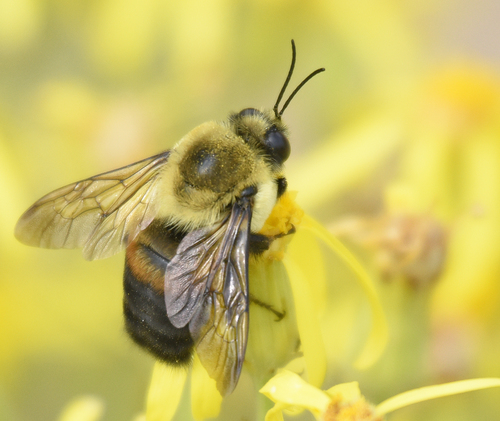
New York, US
Puedes ver Brown-Belted Bumble Bee y Ardilla Gris Oriental.
Ver guía →
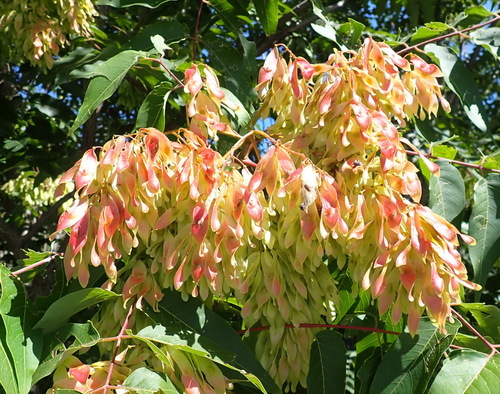
New York, US
Puedes ver Tree-Of-Heaven, Spotted Lanternfly y Paloma Bravía.
Ver guía →

Pennsylvania, US
Puedes ver Petirrojo Americano, Kentucky Yellowwood y Cornejo De Kousa.
Ver guía →

Connecticut, US
Puedes ver Monarch, Common Milkweed y Common Blue Violet.
Ver guía →













