
Eastern Cottonwood
Populus deltoides
The Eastern Cottonwood is a tall tree with big, heart-shaped leaves that flutter in the wind. It grows near rivers and loves sunny places, making it a great home for many birds and animals.
Hábitat: Wetlands
The Eastern Cottonwood has broad, triangular leaves that shimmer and clap in the wind, turning bright yellow in autumn. Its bark is smooth and greenish-gray when young, becoming deeply furrowed and dark gray with age. Fuzzy, cotton-like seeds disperse widely from its female trees.
Categoría
PlantasRareza
Common
Peligro
1/5 · Muy bajo
Snaps
¡Sé la primera persona en hacer un snap!
Beavers love to eat its bark and twigs, often using its wood for their dams and lodges!
It's one of the fastest-growing native hardwood trees in North America!
Its leaves famously create a distinctive rustling sound that Native Americans called 'the speaking tree'!
The inner bark was traditionally chewed for pain relief, acting like nature's aspirin!
Eastern Cottonwood can grow incredibly fast, sometimes over 3 feet a year, to quickly dominate open spaces.
Eastern Cottonwood has fluffy, wind-dispersed seeds that float like tiny parachutes to colonize new areas.
Eastern Cottonwood can grow deep, extensive roots that anchor it firmly and find water in riparian zones.
Castor canadensis
eats bark, twigs, and leaves
Odocoileus virginianus
browses twigs and leaves
Sciurus carolinensis
nests in cavities and branches
Icterus galbula
builds hanging nests
Las plantas caducifolias pierden periódicamente todas sus hojas, por lo general durante el otoño o las estaciones secas.
Los árboles de hoja ancha son angiospermas caracterizadas por hojas planas y anchas que típicamente se caen anualmente en climas templados.
Las plantas de crecimiento rápido exhiben tasas de crecimiento aceleradas, aumentando rápidamente de tamaño y biomasa en un corto período de tiempo.
Se refiere a la madera que ha sido preparada para su uso en la construcción y la carpintería.

Este rasgo de hábitat identifica especies que se encuentran en humedales, que son áreas de tierra saturadas de agua, ya sea permanente o estacionalmente, e incluyen marismas, pantanos y ciénagas.

Describe organismos que transfieren polen, permitiendo la fertilización y reproducción de las plantas.
Todavía no hay alias listados.
Peligro
1/5 · Muy bajo
Stay away from the tree's branches and watch for falling leaves.
2000-3500 cm
1500-2500 cm
5-12 cm
Primavera
Sí
Ninguna
Perenne
Viento
Acércate para separar los grupos y explorar dónde se ha fotografiado este objeto.
Los snaps recientes aparecerán aquí a medida que se añadan nuevas observaciones.

New York, US
Puedes ver Gaviota De Delaware, Barnacla Canadiense y Rough Cocklebur.
Ver guía →

Quebec, CA
Puedes ver Ardilla Gris Oriental, Pato y Marmota.
Ver guía →
Texas, US
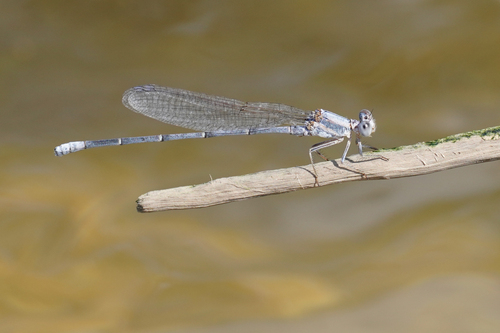
Puedes ver Powdered Dancer y Glassy-Winged Sharpshooter.
Ver guía →

Illinois, US
Puedes ver Pond Slider, Virginia Bluebells y Barnacla Canadiense.
Ver guía →

Illinois, US
Puedes ver Barnacla Canadiense, Gaviota De Delaware y Tordo Sargento.
Ver guía →
Michigan, US
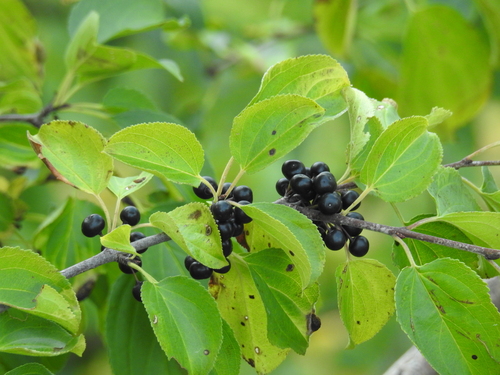
Puedes ver Common Buckthorn, False Indigo Bush y Honey Locusts.
Ver guía →




.jpg&width=800)















_Geum_rivale_-_flower_and_bottoms.jpg&width=800)