Eastern Deermouse
Peromyscus maniculatus
The Eastern Deermouse is a small, cute mouse with big ears and a long tail. They love to explore and can be found in many places, making them fun to watch!
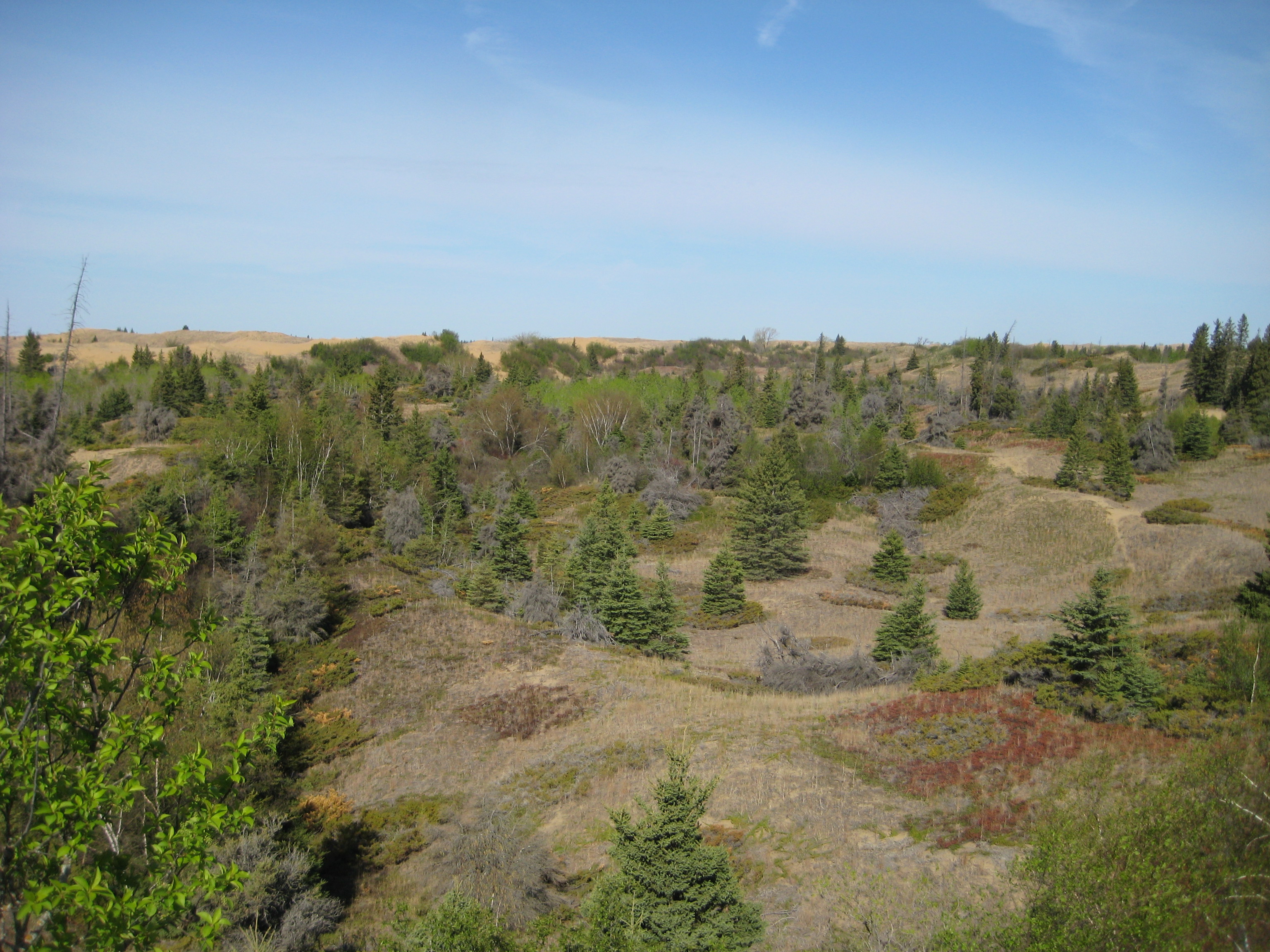
Hábitat: Forests
The Eastern Deermouse has large dark eyes and prominent ears. Its soft fur is reddish-brown on top, sharply contrasting with its bright white belly and feet. A distinctive bicolored tail, dark above and white below, helps distinguish it.
Categoría
MamíferosRareza
Common
Peligro
1/5 · Muy bajo
Snaps
¡Sé la primera persona en hacer un snap!
A mother deermouse can have several litters of babies in just one year!
Eastern Deermice build cozy nests from plants and fur to stay warm!
Their tail can break off if caught, helping them escape predators!
They use their long, sensitive whiskers to 'feel' their way around in the dark.
Eastern Deermouse has extra rod cells in its eyes that helps them see clearly in very low light conditions.
Eastern Deermouse can climb and jump skillfully because of its strong legs and long tail for balance.
Eastern Deermouse can collect and hide seeds and nuts for later because of its excellent memory for food caches.
Eastern Deermouse has large, swiveling ears that helps them pinpoint tiny sounds of danger or food in the dark.
These tiny omnivores munch on seeds, nuts, fruits, and even insects.
Bubo virginianus
A key part of their nocturnal diet.
Pantherophis alleghaniensis
Hunts them in forests and fields.
Vulpes vulpes
Preys on them across various habitats.
Peludo describe a los animales que poseen una cubierta densa de pelo o pelaje suave.
Este rasgo identifica organismos cuya dieta incluye tanto materia vegetal como animal.
Los hábitats boscosos son entornos terrestres dominados por una densa cubierta arbórea, que sustentan una gran diversidad de vida animal y vegetal.
Los animales diurnos están activos principalmente durante el día y suelen descansar o dormir por la noche.
Todavía no hay alias listados.
Peligro
1/5 · Muy bajo
If you see a mouse, it's best to watch from a distance and not try to touch it.
7-10 cm
0.015-0.03 kg
1-2 años
13 km/h
These tiny omnivores munch on seeds, nuts, fruits, and even insects.
Forests
Foraging
3-7
Acércate para separar los grupos y explorar dónde se ha fotografiado este objeto.
Los snaps recientes aparecerán aquí a medida que se añadan nuevas observaciones.