Eastern Mosquitofish
gambusia holbrooki
The Eastern Mosquitofish is a small, lively fish that's great for controlling mosquito populations! They zip around in the water, making them fun to watch as they play and explore their home.
Hábitat: Ponds, streams, and marshes across the eastern United States.
The Eastern Mosquitofish is a small, slender fish with a flattened head and an upward-pointing mouth. It has a dull greyish-olive back fading to a silvery-white belly, often with a dark 'gravid spot' visible on females. Its small size and distinct male anal fin (gonopodium) differentiate it.
Categoría
PecesRareza
Common
Peligro
0/5 · Sin peligro conocido
Snaps
¡Sé la primera persona en hacer un snap!
Female mosquitofish can store sperm for months, making many batches of babies!
Introduced worldwide to fight mosquitoes, they are now one of the most widespread fish!
These tiny fish can gulp air from the surface when water oxygen is low!
They are super tiny but can be aggressive, nipping the fins of larger fish!
Eastern Mosquitofish can devour large numbers of mosquito larvae, which helps them control insect populations in their watery homes.
Eastern Mosquitofish has the amazing ability to give birth to live, fully formed young, skipping the egg stage for survival.
Eastern Mosquitofish can endure harsh conditions like low oxygen because of its adaptable gill and kidney systems.
These tiny fish are expert insect hunters, gobbling up mosquito larvae and other small critters.
Aedes aegypti
eats their larvae, helping control mosquito populations
Micropterus salmoides
a common food source for this larger predatory fish
Anas platyrhynchos
small size makes them prey for waterfowl
Los animales sociales viven en grupos organizados, cooperando para obtener beneficios de supervivencia como la búsqueda de alimento, la defensa y la cría de descendencia.
Colorido describe a organismos u objetos que exhiben una amplia variedad de colores brillantes y distintivos.
Este rasgo identifica a los organismos cuya dieta consiste total o principalmente en tejido animal.
Los animales diurnos están activos principalmente durante el día y suelen descansar o dormir por la noche.

Los hábitats acuáticos abarcan entornos donde los organismos viven principalmente en el agua, incluidos océanos, ríos, lagos y humedales.
Peligro
0/5 · Sin peligro conocido
Todavía no hay notas especiales de seguridad.
2-6 cm
0.001-0.005 kg
1-2 años
These tiny fish are expert insect hunters, gobbling up mosquito larvae and other small critters.
8 km/h
Ponds, streams, and marshes across the eastern United States.
Foraging
2 m
Acércate para separar los grupos y explorar dónde se ha fotografiado este objeto.
Los snaps recientes aparecerán aquí a medida que se añadan nuevas observaciones.

District of Columbia, US
Puedes ver Libélula Azul, Fragile Forktail y Slaty Skimmer.
Ver guía →
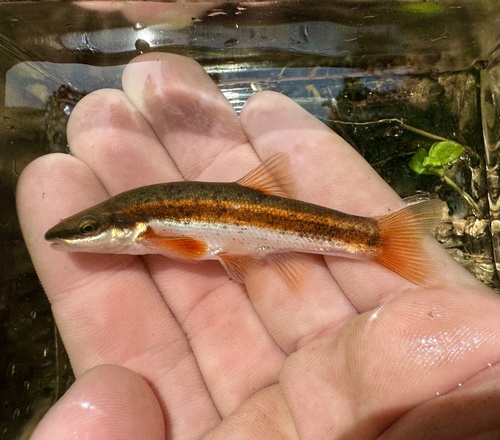
Virginia, US
Puedes ver Eastern Blacknose Dace y Common Jewelweed.
Ver guía →
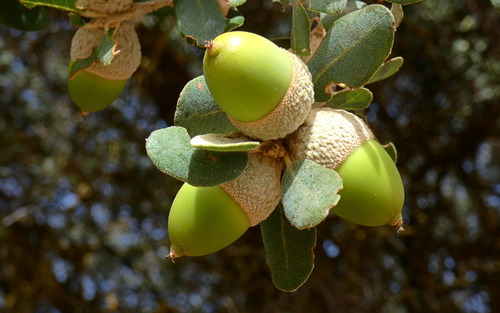
Florida, US
Puedes ver Oaks, Cipreses Calvos y Virginia Creeper.
Ver guía →