






eastern poison ivy
Toxicodendron radicans
Eastern poison ivy is a plant that can make your skin itchy if you touch it. It has shiny green leaves that grow in groups of three. Be careful around this plant when you're exploring nature!
Hábitat: Forests
The eastern poison ivy has leaves grouped in three leaflets, which can be glossy green, sometimes notched or lobed, and turn brilliant red or orange in fall. It grows as a low-lying plant, a dense shrub, or a climbing vine using hairy aerial roots to cling to surfaces. Its small greenish-white flowers are inconspicuous.
Categoría
PlantasRareza
Common
Peligro
4/5 · Alto
Snaps
¡Sé la primera persona en hacer un snap!
Even smoke from burning poison ivy can cause a severe rash if you breathe it into your lungs!
Its 'leaves of three' rule can be tricky, as leaflet shapes can look quite different!
Many animals, including deer and goats, can eat poison ivy without getting a rash!
Urushiol oil can stay active on objects for years, causing a rash long after touching the plant!
Eastern poison ivy has a unique oily resin, urushiol, that helps it defend against many herbivores by causing an irritating rash.
This plant can grow as a groundcover or climb tall trees and walls using specialized aerial roots, helping it reach sunlight.
Eastern poison ivy can thrive in many environments, from dense shade to full sun, helping it survive in diverse habitats.
Turdus migratorius
eats its berries, helping to spread seeds
Odocoileus virginianus
browses its leaves without suffering ill effects
Colaptes auratus
consumes its berries during migration
Las plantas caducifolias pierden periódicamente todas sus hojas, por lo general durante el otoño o las estaciones secas.
Un arbusto es una planta leñosa más pequeña que un árbol, típicamente con múltiples tallos que se ramifican desde o cerca del suelo.
Los colores otoñales se refieren al cambio estacional en la pigmentación del follaje, principalmente en plantas de hoja caduca, mostrando tonos vibrantes.
Los hábitats boscosos son entornos terrestres dominados por una densa cubierta arbórea, que sustentan una gran diversidad de vida animal y vegetal.

Los organismos tóxicos contienen sustancias que son venenosas y pueden causar efectos adversos al estar expuestos a ellas.

Los organismos venenosos producen toxinas que pueden causar daño si se ingieren, inhalan o absorben por contacto.
Todavía no hay alias listados.
Peligro
4/5 · Alto
If you see a plant with three leaves, don't touch it! Always tell an adult if you find it.
10-100 cm
30-150 cm
0.2-0.5 cm
Late spring to early summer
No
Alta
Perenne
Insectos
Acércate para separar los grupos y explorar dónde se ha fotografiado este objeto.
Los snaps recientes aparecerán aquí a medida que se añadan nuevas observaciones.

Virginia, US
Puedes ver Ciervo De Cola Blanca, Gorrión Común y Ardilla Gris Oriental.
Ver guía →

New York, US
Puedes ver Common Dandelion, Red Deadnettle y Broad-Leaved Dock.
Ver guía →
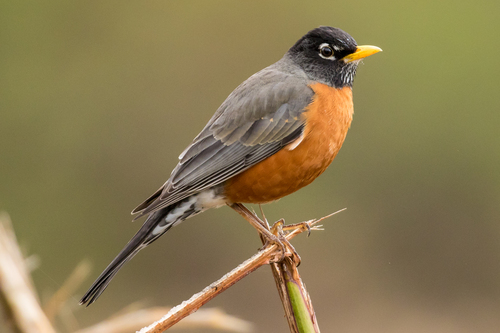
Virginia, US
Puedes ver Petirrojo Americano, Cardenal Norteño y Gorrión Común.
Ver guía →
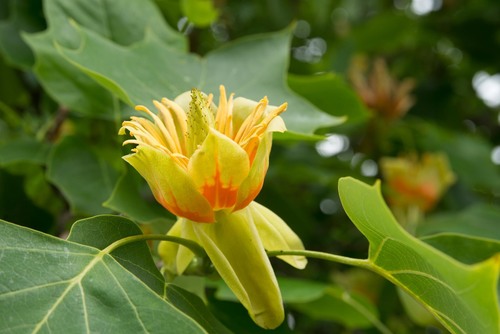
Virginia, US
Puedes ver American Tuliptree, Gorrión Común y Common Eastern Bumble Bee.
Ver guía →

Massachusetts, US
Puedes ver Japanese Knotweed y Common Eastern Bumble Bee.
Ver guía →
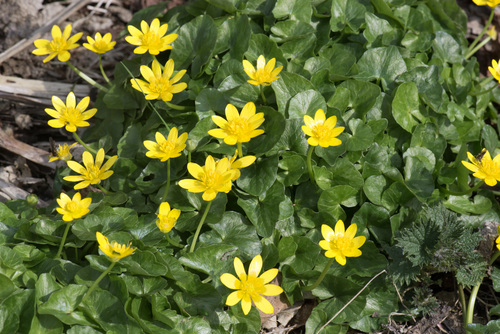
Virginia, US
Puedes ver Lesser Celandine, Amur Honeysuckle y Ciervo De Cola Blanca.
Ver guía →










.jpg&width=800)



.jpg&width=800)

