






Eastern Red-backed Salamander
Plethodon cinereus
The Eastern Red-backed Salamander is a small, colorful amphibian that loves to hide under rocks and leaves. They are great at blending in with their surroundings and can be found in moist forests.
Hábitat: Forests
The Eastern Red-backed Salamander is a small, slender amphibian often displaying a vivid reddish-brown stripe down its back, contrasting with dark sides. Some individuals are uniformly dark gray or black, known as "lead-backs," lacking the dorsal stripe. They are lungless, breathing through their skin and mouth lining.
Categoría
AnfibiosRareza
Common
Peligro
1/5 · Muy bajo
Snaps
¡Sé la primera persona en hacer un snap!
Wow! It never drinks water, absorbing it all directly through its moist skin!
Wow! These amazing amphibians spend their cold winters hiding deep underground!
Wow! They come in two color forms: red-striped or entirely dark gray!
Wow! This salamander protects its eggs by coiling around them until they hatch!
Eastern Red-backed Salamander has a special tail that can break off to distract predators, helping them get away safely.
Eastern Red-backed Salamander can secrete a sticky, bad-tasting substance from its skin to deter predators from eating them.
They munch on tiny bugs and worms found in the forest floor!
Lasius niger
A favorite meal for these salamanders on the forest floor.
Thamnophis sirtalis
Often hunted by snakes moving through leaf litter.
Turdus migratorius
Robins forage for them among leaves and soil.
Quercus rubra
Uses fallen logs and leaf litter from oak trees for cover.
Los animales solitarios viven solos durante la mayor parte de su vida y solo interactúan con otros para aparearse o cuidar de sus crías.
El camuflaje describe a los organismos que poseen colores o patrones que les permiten mezclarse con su entorno.
Colorido describe a organismos u objetos que exhiben una amplia variedad de colores brillantes y distintivos.
Este rasgo identifica a los organismos cuya dieta consiste principalmente en insectos y otros pequeños invertebrados.

Los hábitats boscosos son entornos terrestres dominados por una densa cubierta arbórea, que sustentan una gran diversidad de vida animal y vegetal.

Describe a los organismos que descomponen la materia orgánica muerta, reciclando los nutrientes de vuelta al ecosistema.
Los organismos regenerativos poseen la capacidad de volver a desarrollar partes del cuerpo, tejidos u órganos perdidos o dañados.

Los animales nocturnos están principalmente activos durante la noche, y suelen descansar o dormir durante el día.
Todavía no hay alias listados.
Peligro
1/5 · Muy bajo
Always wash your hands after touching any wild animals.
5.7-10 cm
0.002-0.006 kg
5-10 años
0.1 km/h
They munch on tiny bugs and worms found in the forest floor!
Forests
Foraging
3-14
Acércate para separar los grupos y explorar dónde se ha fotografiado este objeto.
Los snaps recientes aparecerán aquí a medida que se añadan nuevas observaciones.

Quebec, CA
Puedes ver Marmota, Gaviota De Delaware y Ardilla Gris Oriental.
Ver guía →

Virginia, US
Puedes ver Pato, Pato Joyuyo y Chlorosplenium Chlora.
Ver guía →

Virginia, US
Puedes ver Ciervo De Cola Blanca, Gorrión Común y Ardilla Gris Oriental.
Ver guía →

Virginia, US
Puedes ver Summer Snowflake, Lesser Celandine y Mapleleaf Viburnum.
Ver guía →
.jpg)
Virginia, US
Puedes ver Garza Azulada, Fan Clubmoss y Barnacla Canadiense.
Ver guía →
Virginia, US
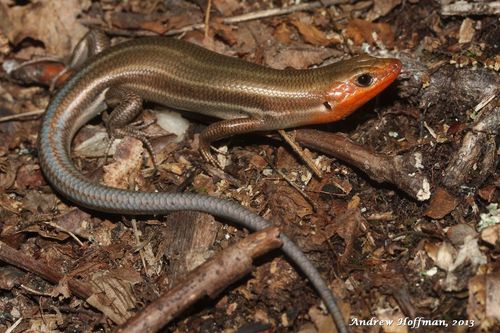
Puedes ver Common Five-Lined Skink y Tortuga De Caja Oriental.
Ver guía →











.jpg&width=800)

