Elk Thistle
cirsium scariosum
The Elk Thistle is a tall, spiky plant with vibrant purple flowers that attract many insects. It's often found in meadows and can grow up to 6 feet tall!
Hábitat: Meadows and open grasslands across western North America.
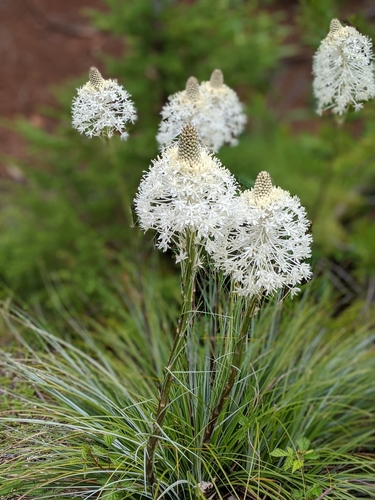
The Elk Thistle is a robust plant with tall, prickly stems and broad, spiny-edged green leaves. Its distinctive round flower heads are usually vivid purple or pink, often clustered at the stem tips, making it easily spotted in meadows.
Categoría
PlantasRareza
Common
Peligro
1/5 · Muy bajo
Snaps
¡Sé la primera persona en hacer un snap!
Bumblebees and butterflies adore its nectar-rich, purple flowers.
Indigenous peoples sometimes cooked its thick roots as a meal!
Its name honors elk, who sometimes forage on its tough roots!
This plant often thrives in sunny mountain meadows up high.
Elk Thistle has sharp spines on its leaves and stems that deter hungry herbivores, protecting its precious leaves and flowers.
Elk Thistle can grow a strong taproot deep into the soil, helping it find water and nutrients in dry conditions.
Elk Thistle's seeds have a parachute-like pappus that allows them to float on the wind, spreading new plants far and wide.
Cervus canadensis
forages on leaves and roots, especially in spring
Bombus occidentalis
collects nectar and pollen from its abundant flowers
Vanessa cardui
visits flowers for nectar, aiding in pollination
Odocoileus hemionus
browses on young leaves and flower heads
Los animales sociales viven en grupos organizados, cooperando para obtener beneficios de supervivencia como la búsqueda de alimento, la defensa y la cría de descendencia.
Colorido describe a organismos u objetos que exhiben una amplia variedad de colores brillantes y distintivos.
Este rasgo caracteriza a los organismos cuya dieta consiste total o principalmente en material vegetal.
Los hábitats de pastizales son biomas terrestres dominados por pastos y plantas herbáceas, que sustentan a una variedad de animales de pastoreo.

Describe organismos que transfieren polen, permitiendo la fertilización y reproducción de las plantas.
Peligro
1/5 · Muy bajo
Avoid touching the prickly leaves.
30-150 cm
30-60 cm
2-5 cm
Summer to early Fall
No
Ninguna
Perenne
Insectos
Acércate para separar los grupos y explorar dónde se ha fotografiado este objeto.
Los snaps recientes aparecerán aquí a medida que se añadan nuevas observaciones.