Elm
Ulmus procera
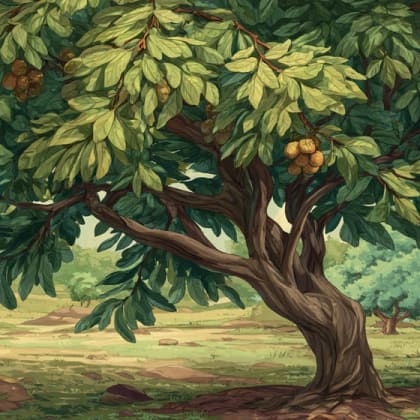
Elm trees are tall and strong with wide, spreading branches. Their leaves are oval-shaped and have a serrated edge. Elms provide shade and homes for birds and insects.
Hábitat: Forests
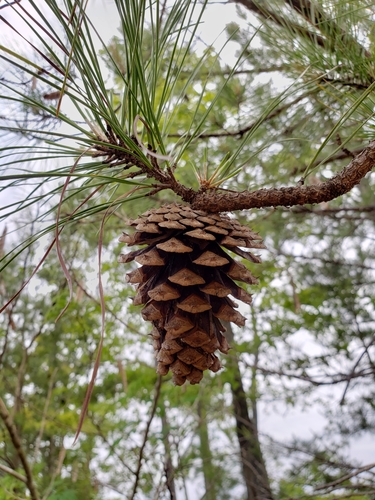
The Elm is a tall tree with a distinct vase-like shape, often spreading widely at the top. It has dark grey, deeply furrowed bark and bright green leaves with a noticeable asymmetrical base and double-toothed edges. Its small, disc-like seeds are surrounded by a pale, papery wing.
Categoría
ÁrbolesRareza
Common
Peligro
1/5 · Muy bajo
Snaps
¡Sé la primera persona en hacer un snap!
Elm wood was once used to make ancient Roman water pipes because it resists decay when wet!
Its unique leaf bases are asymmetrical, meaning one side of the leaf is larger than the other!
Many famous elm trees around the world are centuries old, silently watching history unfold!
The inner bark of some elms can be made into a soothing tea or paste for sore throats and skin.
Elm has light, papery samara seeds that can float on the wind, helping it spread its offspring far and wide.
Elm can grow quickly in favorable conditions, allowing it to compete for sunlight and establish itself in new areas faster.
Elm has incredibly tough, interlocked wood fibers, making its branches flexible yet strong to resist snapping in high winds.

Xanthogaleruca luteola
Larvae and adults feed on elm leaves, causing damage.
Nymphalis antiopa
Its caterpillars munch on elm leaves before transforming.
Sciurus carolinensis
Squirrels gather and consume elm seeds in spring.
Odocoileus virginianus
Deer browse on young elm shoots and tender leaves.
Ophiostoma ulmi
This fungus causes the devastating Dutch Elm Disease.
Las plantas caducifolias pierden periódicamente todas sus hojas, por lo general durante el otoño o las estaciones secas.
Las plantas tolerantes a la sombra están adaptadas para crecer y prosperar en áreas con bajos niveles de luz, requiriendo menos luz solar directa.
Los árboles de hoja ancha son angiospermas caracterizadas por hojas planas y anchas que típicamente se caen anualmente en climas templados.
Las plantas de crecimiento rápido exhiben tasas de crecimiento aceleradas, aumentando rápidamente de tamaño y biomasa en un corto período de tiempo.

Se refiere a la madera que ha sido preparada para su uso en la construcción y la carpintería.

Los hábitats boscosos son entornos terrestres dominados por una densa cubierta arbórea, que sustentan una gran diversidad de vida animal y vegetal.

Este rasgo indica que los organismos pertenecen a un grupo evolutivo muy antiguo con antepasados que se remontan a millones de años.

Este rasgo caracteriza a los organismos con una esperanza de vida excepcionalmente larga en comparación con otros de su especie.
Peligro
1/5 · Muy bajo
Enjoy looking at elm trees from a safe distance and avoid climbing them.
20-35 m
10-20 m
Sí
100-200 cm
100-300 años
Forests
Winged samara
Medio
Acércate para separar los grupos y explorar dónde se ha fotografiado este objeto.
Los snaps recientes aparecerán aquí a medida que se añadan nuevas observaciones.