

Enicospilus
enicospilus
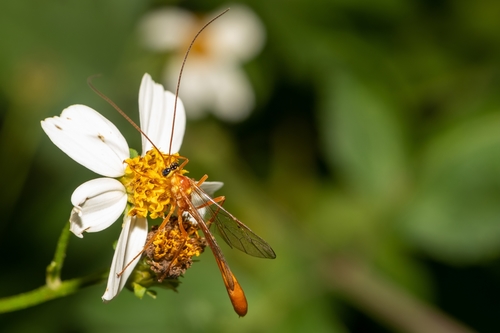
Enicospilus es un género fascinante y altamente diverso de avispas parasitoides que pertenecen a la familia Ichneumonidae. Fácilmente reconocidas por sus siluetas esbeltas y elegantes y sus cálidos tonos ámbar-naranja, estos notables insectos desempeñan un papel ecológico crucial como controladores naturales de plagas. A diferencia de muchos de sus parientes diurnos, las especies de Enicospilus son predominantemente nocturnas, navegando en la oscuridad de bosques y campos en busca de orugas hospedadoras. Sus movimientos gráciles y fluidos en vuelo las convierten en una vista cautivadora para los observadores nocturnos. Estas avispas son solitarias y no construyen nidos ni viven en colonias. En cambio, las hembras pasan su vida adulta buscando orugas hospedadoras específicas, principalmente de familias de polillas como Noctuidae. Al depositar un solo huevo dentro de un hospedador, las larvas de avispa se desarrollan internamente, regulando las poblaciones de orugas y manteniendo el equilibrio dentro de sus ecosistemas. Para los entusiastas de la naturaleza y los jardineros por igual, estos guardianes nocturnos son aliados valiosos en el control de plagas que se alimentan de hojas.
Hábitat: Se encuentran típicamente en bosques caducifolios, arboledas, pastizales y jardines suburbanos, especialmente en áreas con vegetación densa donde las polillas hospedadoras están activas.
Las avispas Enicospilus se distinguen por su coloración monocromática amarillo dorado a marrón rojizo y cuerpos notablemente esbeltos. Presentan un abdomen excepcionalmente comprimido en forma de hoz y antenas largas y filiformes. Sus cabezas están dominadas por ojos compuestos excepcionalmente grandes y vidriosos, y tres ojos simples (ocelos) prominentes y abultados adaptados para la visión en condiciones de poca luz. Un identificador anatómico clave se encuentra en sus alas anteriores transparentes: una ventana distinta, sin pelos y transparente conocida como fenestra que a menudo contiene una o más estructuras pequeñas, endurecidas y de color ámbar llamadas escleritos. Suelen medir de 1.5 a 3 centímetros de longitud corporal.
Categoría
InsectosRareza
Común
Peligro
1/5 · Muy bajo
Snaps
¡Sé la primera persona en hacer un snap!
Aunque parecen intimidantes y pueden pellizcar con su ovopositor afilado si se les agarra, carecen de veneno defensivo y son completamente inofensivas para los humanos.
La pequeña ventana transparente en sus alas (la fenestra) es una característica clave que los taxónomos utilizan para identificar diferentes especies dentro de este enorme género.
Sus grandes y bulbosos ojos simples (ocelos) actúan como lentes recolectoras de luz, permitiéndoles volar sin esfuerzo y detectar a sus hospedadores en la oscuridad casi total.
Son altamente atraídas por fuentes de luz artificial, lo que las convierte en una de las avispas más comunes encontradas por los recolectores de insectos nocturnos y en las luces de los porches de las casas.
Utiliza ojos simples (ocelos) de gran tamaño para navegar y localizar hospedadores en la oscuridad casi total.
Las hembras usan antenas altamente sensibles para rastrear orugas hospedadoras e inyectar con precisión un solo huevo.
Presenta una fenestra transparente especializada en el ala anterior para optimizar la aerodinámica del ala durante los vuelos nocturnos.
Los adultos se alimentan de fluidos vegetales como néctar y melaza para obtener energía, mientras que las larvas carnívoras se desarrollan dentro y consumen los tejidos de las orugas de polilla.
Noctua pronuba
Las hembras de Enicospilus localizan y depositan huevos dentro de las orugas de esta polilla extendida.
Spodoptera frugiperda
La avispa actúa como un importante agente de control biológico natural al parasitar estas orugas que dañan los cultivos.

Vespa crabro
Estos grandes avispones nocturnos ocasionalmente cazan y consumen avispas Enicospilus adultas atraídas por las luces artificiales.
Aún no hay insignias de rasgos asignadas a este objeto.
Todavía no hay alias listados.
Las colecciones para este objeto aparecerán aquí a medida que se añadan más temas.
Peligro
1/5 · Muy bajo
Todavía no hay notas especiales de seguridad.
Busca seis patas, antenas, tres secciones en el cuerpo y la forma de las alas. Los escarabajos tienen las alas delanteras endurecidas; las moscas solo tienen un par que funciona. Los insectos diminutos pueden necesitar un primer plano antes de que se vea su grupo. Identificador de insectos: sube una foto y compara los detalles visibles.
1+ cm
2+ cm
0.0001+ kg
0+ años
15 km/h
Los adultos se alimentan de fluidos vegetales como néctar y melaza para obtener energía, mientras que las larvas carnívoras se desarrollan dentro y consumen los tejidos de las orugas de polilla.
Se encuentran típicamente en bosques caducifolios, arboledas, pastizales y jardines suburbanos, especialmente en áreas con vegetación densa donde las polillas hospedadoras están activas.
Acércate para separar los grupos y explorar dónde se ha fotografiado este objeto.
Los snaps recientes aparecerán aquí a medida que se añadan nuevas observaciones.
Llévate el descubrimiento
Haz una foto con Snappit, identifica la especie y guarda el hallazgo en tu colección.