





Ennominae
ennominae
Las Ennominae son fascinantes polillas con hermosos patrones en sus alas. ¡Revolotean por la noche, aportando un toque mágico a la oscuridad!
Hábitat: Las polillas Ennominae se encuentran en bosques, jardines y prados.
Las Ennominae tienen cuerpos generalmente esbeltos y alas anchas, a menudo triangulares. Sus colores suelen incluir marrones, verdes, grises y blancos apagados, lo que permite un camuflaje excepcional contra la corteza de los árboles o las hojas. Muchas especies presentan patrones intrincados o líneas onduladas en sus alas.
Categoría
InsectosRareza
Common
Peligro
1/5 · Muy bajo
Snaps
¡Sé la primera persona en hacer un snap!
¡Las orugas Ennominae tienen ganchos especiales en sus patas para sujetar las plantas súper fuerte!
¡Muchas polillas Ennominae adultas viven solo alrededor de una semana, centradas en poner huevos!
¡Algunas polillas Ennominae son maestras del disfraz, mezclándose perfectamente con la corteza de los árboles!
¡Sus orugas son apodadas 'gusanos medidores' porque se mueven arqueando sus cuerpos!
Las orugas Ennominae tienen un movimiento único de 'bucle' debido a su número reducido de propatas que les ayuda a moverse pareciendo una cuerda de medir.
Las polillas Ennominae adultas tienen alas con patrones intrincados y colores apagados que les ayuda a desaparecer contra la corteza de los árboles durante el día.
Algunas especies de Ennominae pueden producir químicos de mal sabor debido a su dieta que les ayuda a disuadir a aves hambrientas y otros depredadores.
Las orugas mastican hojas, mientras que las polillas adultas a menudo sorben néctar.
Diferencias por edad: Las orugas comen hojas de plantas, pero los adultos principalmente buscan néctar o no se alimentan.
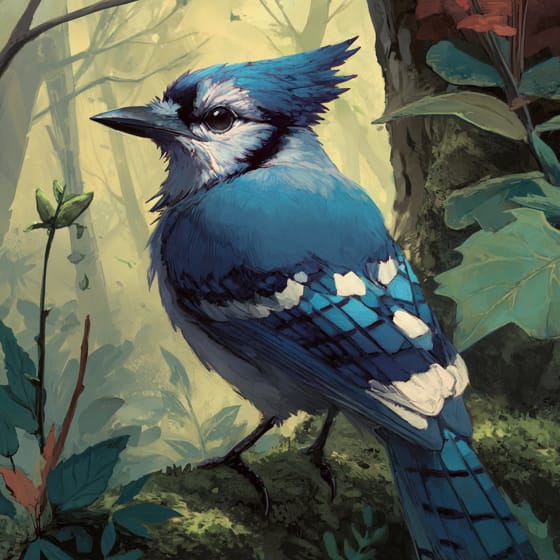
Cyanocitta cristata
Se alimenta de orugas y polillas Ennominae.
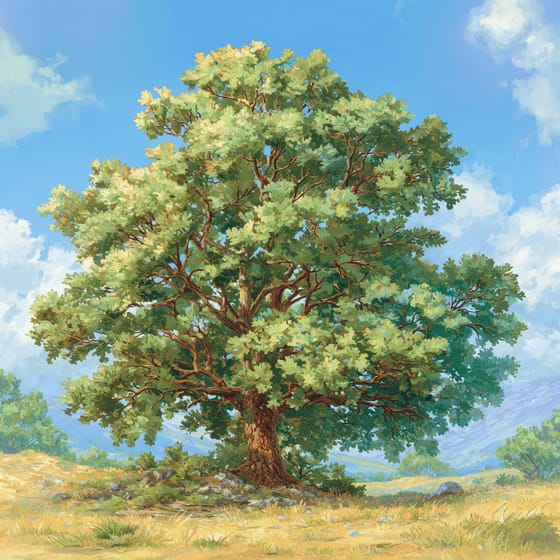
Quercus alba
Las orugas se alimentan de hojas de varias especies de roble.
Vespula vulgaris
Busca orugas para alimentar a sus crías.
Acer saccharum
Las larvas de muchas especies consumen hojas de arce.
Los animales sociales viven en grupos organizados, cooperando para obtener beneficios de supervivencia como la búsqueda de alimento, la defensa y la cría de descendencia.
Colorido describe a organismos u objetos que exhiben una amplia variedad de colores brillantes y distintivos.
Este rasgo caracteriza a los organismos cuya dieta consiste total o principalmente en material vegetal.
Los hábitats boscosos son entornos terrestres dominados por una densa cubierta arbórea, que sustentan una gran diversidad de vida animal y vegetal.

Este rasgo identifica a los organismos cuya dieta consiste total o principalmente en tejido animal.

Los animales nocturnos están principalmente activos durante la noche, y suelen descansar o dormir durante el día.
Peligro
1/5 · Muy bajo
Siempre observe a los insectos desde la distancia y no los toque.
La forma más fácil de identificar a Ennominae es usar la aplicación de identificación de naturaleza Snappit.
20-50 mm
10-30 mm
7-14 días
5 km/h
Las orugas mastican hojas, mientras que las polillas adultas a menudo sorben néctar.
Las polillas Ennominae se encuentran en bosques, jardines y prados.
Forrajeo
Acércate para separar los grupos y explorar dónde se ha fotografiado este objeto.
Los snaps recientes aparecerán aquí a medida que se añadan nuevas observaciones.
Llévate el descubrimiento
Haz una foto con Snappit, identifica la especie y guarda el hallazgo en tu colección.








.jpg&width=800)


