


Erica Umbellata
erica umbellata
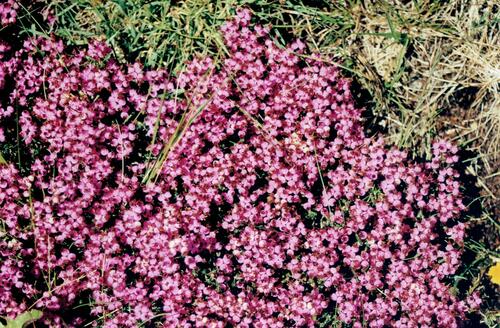
Erica umbellata, conocida comúnmente como brezo enano español o urze-molar, es un encantador arbusto perenne de bajo crecimiento nativo de las laderas soleadas del oeste de la Península Ibérica y el noroeste de África. Perteneciente a la familia de los brezos (Ericaceae), esta planta resistente es celebrada por sus espectaculares exhibiciones florales. Desde finales del invierno hasta el verano, cubre laderas secas y rocosas y bosques de pinos abiertos con vibrantes alfombras de flores de color rosa brillante a magenta intenso. Esta especie juega un papel ecológico crítico en sus hábitats mediterráneo-atlánticos nativos, estabilizando suelos pobres y ácidos y previniendo la erosión en laderas degradadas. También es un recurso vital para los polinizadores de principios de temporada, proporcionando néctar crucial cuando pocas otras plantas están en flor.
Hábitat: Se encuentra en brezales secos y abiertos, matorrales y pinares soleados con suelos ácidos, arenosos o pedregosos.
Este arbusto enano suele crecer entre 10 y 90 centímetros de altura, formando densas masas extendidas. Presenta pequeñas hojas aciculares de color verde oscuro, estrechas y dispuestas en verticilos a lo largo de tallos leñosos y rojizos. Su característica más llamativa son los racimos de flores en forma de campana o urna, que van del rosa brillante al rosa púrpura intenso. Estas flores se agrupan en los extremos de las ramas en configuraciones similares a un paraguas, con prominentes anteras de color marrón rojizo oscuro que asoman desde la base de los pétalos para crear un hermoso contraste.
Categoría
PlantasRareza
Común
Peligro
1/5 · Muy bajo
Snaps
¡Sé la primera persona en hacer un snap!
Es una especie indicadora clave para suelos altamente ácidos y ricos en sílice en la cuenca mediterránea.
El néctar de esta planta es muy apreciado por los apicultores, contribuyendo al perfil rico, oscuro y robusto de la miel de brezo ibérico.
El epíteto específico 'umbellata' se refiere a la forma de paraguas de sus racimos de flores.
Sus semillas tienen cubiertas externas resistentes que soportan los incendios forestales, permitiéndoles germinar rápidamente en las cenizas ricas en nutrientes que quedan.
Las pequeñas hojas aciculares tienen una superficie reducida y una capa de cutícula cerosa para minimizar la pérdida de agua durante los veranos secos.
Se asocia con hongos micorrícicos ericoides especializados para absorber nutrientes de suelos altamente ácidos y deficientes en nutrientes.
Como planta fotosintética, sintetiza su propia energía a partir de la luz solar, el agua y el dióxido de carbono, mientras absorbe minerales esenciales a través de sus raíces.
Apis mellifera
Proporciona néctar y polen a principios de temporada para apoyar la salud de la colmena a cambio de polinización.
Oidiodendron maius
Hongo de raíz simbiótico que ayuda a la planta a acceder al fósforo en suelos altamente ácidos.
Capra pyrenaica
Ocasionalmente ramonea los brotes jóvenes del arbusto en hábitats de brezal de montaña.
Aún no hay insignias de rasgos asignadas a este objeto.
Todavía no hay alias listados.
Las colecciones para este objeto aparecerán aquí a medida que se añadan más temas.
Peligro
1/5 · Muy bajo
Todavía no hay notas especiales de seguridad.
Empieza por la planta entera y luego compara la disposición de las hojas, sus bordes, los tallos y las flores o frutos, si los hay. Las hojas opuestas crecen en parejas; las alternas salen de una en una a lo largo del tallo. Juntos, estos detalles dicen mucho más que una sola hoja verde. Identificador de plantas: sube una foto y compara los detalles visibles.
10-90 cm
0.1-2 kg
5-25 años
Como planta fotosintética, sintetiza su propia energía a partir de la luz solar, el agua y el dióxido de carbono, mientras absorbe minerales esenciales a través de sus raíces.
Se encuentra en brezales secos y abiertos, matorrales y pinares soleados con suelos ácidos, arenosos o pedregosos.
Acércate para separar los grupos y explorar dónde se ha fotografiado este objeto.
Los snaps recientes aparecerán aquí a medida que se añadan nuevas observaciones.
Llévate el descubrimiento
Haz una foto con Snappit, identifica la especie y guarda el hallazgo en tu colección.


















