




Erythrischius
erythrischius
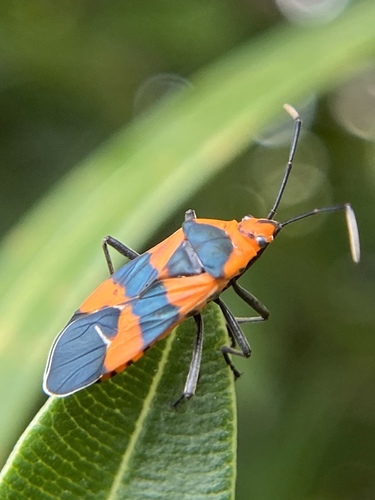
El Erythrischius, un miembro llamativo del orden de los hemípteros (chinches verdaderas) y la familia Lygaeidae, es a menudo reconocido por su vibrante coloración y su asociación con las plantas de algodoncillo (asclepias). Este fascinante insecto desempeña un papel en los intrincados ecosistemas donde prosperan sus plantas hospedadoras. Aunque su nombre común 'Erythrischius' podría no ser ampliamente conocido, sus parientes taxonómicos, las chinches del algodoncillo, son una vista familiar en praderas y campos de varias regiones. Estos insectos resistentes han desarrollado adaptaciones únicas, incluyendo la capacidad de secuestrar toxinas de su fuente de alimento, lo que los hace desagradables para muchos depredadores. Son un excelente ejemplo de aposematismo en el mundo de los insectos, utilizando sus brillantes patrones como señal de advertencia.
Hábitat: Se encuentra en áreas abiertas y soleadas como praderas, campos, cunetas y terrenos alterados donde su planta hospedadora, el algodoncillo (asclepias), crece abundantemente.
El Erythrischius muestra un vívido patrón de naranja y negro, que sirve como una clara advertencia a los posibles depredadores. Su cuerpo es algo alargado y moderadamente aplanado, con una longitud que suele oscilar entre 1 y 2 centímetros. Cuando está en reposo, las alas a menudo forman una distintiva forma de X en su espalda. Las antenas son relativamente largas y segmentadas, generalmente negras, y sus patas también son negras, contrastando con los segmentos naranjas de su cuerpo. La cabeza es pequeña, con ojos compuestos prominentes.
Categoría
InsectosRareza
Común
Peligro
1/5 · Muy bajo
Snaps
¡Sé la primera persona en hacer un snap!
Las ninfas de Erythrischius se parecen a versiones más pequeñas y sin alas de los adultos y experimentan una metamorfosis incompleta, mudando varias veces antes de alcanzar la madurez.
Las toxinas que secuestran del algodoncillo son glucósidos cardíacos, los mismos compuestos que hacen que el algodoncillo sea peligroso para muchos vertebrados.
Sus vibrantes colores de advertencia son un ejemplo clásico de aposematismo, comunicando eficazmente su toxicidad a los posibles depredadores.
A menudo se les puede encontrar en grandes grupos, especialmente en las vainas de semillas del algodoncillo, donde se alimentan y se aparean.
Asclepias syriaca
Turdus migratorius
Family Tachinidae
Danaus plexippus
Peludo describe a los animales que poseen una cubierta densa de pelo o pelaje suave.
Los animales sociales viven en grupos organizados, cooperando para obtener beneficios de supervivencia como la búsqueda de alimento, la defensa y la cría de descendencia.
Este rasgo identifica organismos cuya dieta incluye tanto materia vegetal como animal.
Los hábitats boscosos son entornos terrestres dominados por una densa cubierta arbórea, que sustentan una gran diversidad de vida animal y vegetal.
Los animales nocturnos están principalmente activos durante la noche, y suelen descansar o dormir durante el día.
Todavía no hay alias listados.
Las colecciones para este objeto aparecerán aquí a medida que se añadan más temas.
Peligro
1/5 · Muy bajo
Todavía no hay notas especiales de seguridad.
Busca seis patas, antenas, tres secciones en el cuerpo y la forma de las alas. Los escarabajos tienen las alas delanteras endurecidas; las moscas solo tienen un par que funciona. Los insectos diminutos pueden necesitar un primer plano antes de que se vea su grupo. Identificador de insectos: sube una foto y compara los detalles visibles.
1-2 cm
2-4 cm
0.0001-0.0005 kg
0-1 años
Se encuentra en áreas abiertas y soleadas como praderas, campos, cunetas y terrenos alterados donde su planta hospedadora, el algodoncillo (asclepias), crece abundantemente.
20-100
4-10 días
Acércate para separar los grupos y explorar dónde se ha fotografiado este objeto.
Los snaps recientes aparecerán aquí a medida que se añadan nuevas observaciones.
Llévate el descubrimiento
Haz una foto con Snappit, identifica la especie y guarda el hallazgo en tu colección.