





Eurasian Griffon
Gyps fulvus
The Eurasian Griffon is a large bird with big wings and a fluffy neck. They soar high in the sky and are known for their impressive gliding skills. They help clean up the environment by eating dead animals.
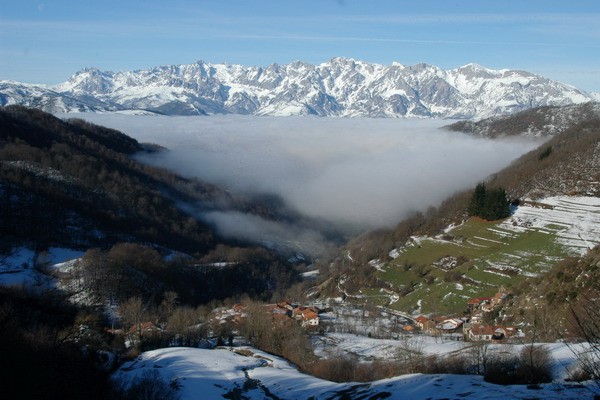
Hábitat: Mountain regions
The Eurasian Griffon is a very large old-world vulture with a pale, downy head and a prominent white ruff of feathers around its neck. Its body plumage is sandy brown, contrasting with dark flight feathers, making it distinct from smaller, darker vultures.
Categoría
AvesRareza
Common
Peligro
1/5 · Muy bajo
Snaps
¡Sé la primera persona en hacer un snap!
A group of griffons feeding together is called a 'wake' – like a funeral gathering!
Griffons have strong talons, but they don't hunt; they only use them to hold onto carrion.
These vultures can fly higher than Mount Everest, reaching altitudes of over 11,000 meters!
They are nature's cleanup crew, eating dead animals that could otherwise spread diseases.
Eurasian Griffon can glide for hours on thermal air currents because of its huge wingspan, saving massive amounts of energy.
Eurasian Griffon has extremely powerful stomach acids that help them digest decaying meat, preventing disease spread.
Eurasian Griffon has incredibly sharp eyesight that allows them to spot small carcasses from thousands of feet up.
These large birds are vital scavengers, cleaning up the environment by eating only dead animals.
Ovis aries
Scavenges on carcasses of dead domestic sheep.

Capra pyrenaica
Feeds on remains of wild goats in mountain regions.
Canis lupus
Follows wolves to scavenge on their kills after they finish eating.
Describe a los animales, principalmente aves, que poseen una cubierta de plumas.
Los animales sociales viven en grupos organizados, cooperando para obtener beneficios de supervivencia como la búsqueda de alimento, la defensa y la cría de descendencia.
Los carroñeros consumen materia orgánica muerta, ayudando a descomponer los cadáveres y otros desechos en el ecosistema.
Los animales planeadores se mueven por el aire lanzándose y manteniendo el vuelo con estructuras corporales especializadas, sin batir las alas.

Este rasgo de hábitat identifica a las especies que se encuentran en regiones montañosas, caracterizadas por su gran altitud, pendientes pronunciadas y zonas climáticas variables.

Este rasgo identifica a los organismos cuya dieta consiste total o principalmente en tejido animal.

Los animales diurnos están activos principalmente durante el día y suelen descansar o dormir por la noche.

Describe una especie cuya presencia y papel tienen un efecto desproporcionadamente grande en su entorno.

Gigante describe organismos u objetos de un tamaño significativamente mayor al promedio de su especie o tipo.
Peligro
1/5 · Muy bajo
Enjoy watching birds from a distance and never try to touch or feed them.
93-122 cm
230-280 cm
6.2-11.5 kg
20-30 años
60 km/h
These large birds are vital scavengers, cleaning up the environment by eating only dead animals.
Mountain regions
Scavenging
Acércate para separar los grupos y explorar dónde se ha fotografiado este objeto.
Los snaps recientes aparecerán aquí a medida que se añadan nuevas observaciones.





.jpg&width=800)







