



European Peacock Butterfly
Aglais io
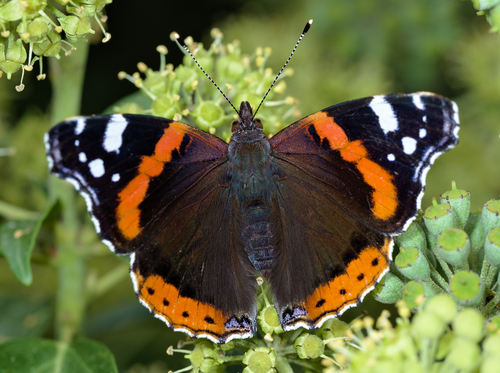
The European Peacock Butterfly is a colorful insect with big, beautiful eyespots on its wings. It flutters around gardens and fields, bringing joy to everyone who sees it!
Hábitat: Gardens
The European Peacock Butterfly is a striking butterfly with rich maroon-brown wings. Each wing features a large, iridescent blue and black 'eyespots' that resemble an owl's eye. Its undersides are cryptically dark and mottled, providing excellent camouflage.
Categoría
InsectosRareza
Common
Peligro
1/5 · Muy bajo
Snaps
¡Sé la primera persona en hacer un snap!
Peacock butterflies can sometimes overwinter indoors, even in garden sheds or attics!
Their wings are covered in tiny, overlapping scales, which create their amazing colors!
These butterflies are surprisingly strong fliers, darting quickly between flowers and sunny spots.
They hibernate through winter as an adult butterfly, emerging early in spring!
European Peacock Butterfly has vivid eyespots on its wings that look like large predator eyes, helping them startle and deter birds.
European Peacock Butterfly can fold its wings to reveal dark, camouflaged undersides, which helps them blend into tree bark or shadows.
European Peacock Butterfly can rub its wings together to make a quiet hissing sound, which helps them warn off predators when disturbed.
European Peacock Butterfly has taste receptors on its feet, which helps them test leaves for suitability before laying eggs.
Peacock butterflies sip sweet nectar from flowers and tree sap, while their larvae munch on leaves.
Diferencias por edad: Larvae feed exclusively on stinging nettle leaves, while adults drink nectar and tree sap.
Urtica dioica
Larvae feed exclusively on its leaves.

Buddleja davidii
Adults visit its flowers for nectar.
%2C_Parc_de_Woluw%C3%A9%2C_Brussels_(13042792905).jpg&width=800)
Parus major
Birds sometimes prey on caterpillars or adults.
Marcado con manchas o parches de un color diferente.
Los animales solitarios viven solos durante la mayor parte de su vida y solo interactúan con otros para aparearse o cuidar de sus crías.
Colorido describe a organismos u objetos que exhiben una amplia variedad de colores brillantes y distintivos.
Este rasgo caracteriza a los organismos cuya dieta consiste total o principalmente en material vegetal.

Describe plantas que son particularmente atractivas y beneficiosas para una amplia variedad de organismos polinizadores.

Este rasgo caracteriza a los organismos con una esperanza de vida excepcionalmente larga en comparación con otros de su especie.

Los animales diurnos están activos principalmente durante el día y suelen descansar o dormir por la noche.

Esta característica de hábitat indica especies que pueden coexistir con los humanos en entornos urbanos y suburbanos, utilizando estructuras artificiales y espacios verdes.

Describe organismos que transfieren polen, permitiendo la fertilización y reproducción de las plantas.
Todavía no hay alias listados.
Peligro
1/5 · Muy bajo
Butterflies are gentle and safe to watch, but don't try to catch them.
50-70 mm
25-30 mm
180-365 días
Peacock butterflies sip sweet nectar from flowers and tree sap, while their larvae munch on leaves.
Gardens
Foraging
6
Acércate para separar los grupos y explorar dónde se ha fotografiado este objeto.
Los snaps recientes aparecerán aquí a medida que se añadan nuevas observaciones.