
.jpg&width=800)





Evergreen Bagworm Moth
Thyridopteryx ephemeraeformis
The Evergreen Bagworm Moth is a small moth that makes a cozy bag out of leaves and silk. It hangs on trees and looks like a little piece of nature, helping it stay safe from predators.
Hábitat: Forests
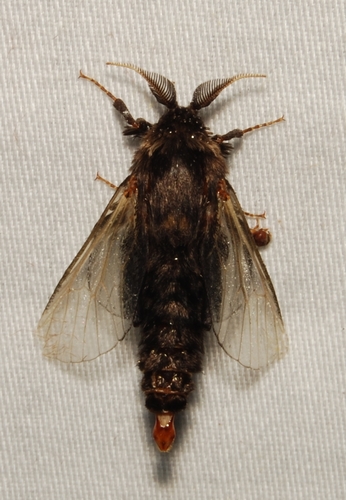
The Evergreen Bagworm Moth is known for the portable, spindle-shaped bag its larva builds from silk and plant bits, camouflaged with twigs and leaves. Adult males are small, dark brown, fuzzy-bodied moths with clear wings. Females are wingless and maggot-like, staying hidden inside the bag.
Categoría
InsectosRareza
Common
Peligro
1/5 · Muy bajo
Snaps
¡Sé la primera persona en hacer un snap!
Adult male bagworm moths live only a day or two, solely to find a mate!
If disturbed, a bagworm larva will quickly seal the opening of its bag for safety!
The female moth never leaves her bag, not even to lay her hundreds of eggs!
They can eat so many leaves and needles they sometimes harm evergreen trees.
Evergreen Bagworm Moth larvae can weave intricate bags from silk and plant materials that help them hide from predators.
Evergreen Bagworm Moth can attach bits of leaves and twigs to its silk bag, making it blend perfectly into its surroundings.
Evergreen Bagworm Moth larvae build a mobile shelter that they carry everywhere, providing constant protection as they feed.
Larvae munch on leaves and needles from many trees, especially evergreens.
Diferencias por edad: Adult moths do not feed, while larvae are voracious eaters of plant material.

Juniperus virginiana
Larvae consume needles of this conifer.
Thuja occidentalis
A common food source for bagworm larvae.
Pinus strobus
Bagworms feed on the needles, potentially causing damage.
Passer domesticus
Birds sometimes pick larvae from their bags.
Los animales solitarios viven solos durante la mayor parte de su vida y solo interactúan con otros para aparearse o cuidar de sus crías.
Este rasgo caracteriza a los organismos que construyen elaboradas telarañas de seda para atrapar presas, refugiarse o reproducirse.
El camuflaje describe a los organismos que poseen colores o patrones que les permiten mezclarse con su entorno.
Este rasgo caracteriza a los organismos cuya dieta consiste total o principalmente en material vegetal.

Los hábitats boscosos son entornos terrestres dominados por una densa cubierta arbórea, que sustentan una gran diversidad de vida animal y vegetal.

Relativo a especies que son significativamente más pequeñas que lo típico o promedio de su tipo.

Los animales nocturnos están principalmente activos durante la noche, y suelen descansar o dormir durante el día.

El estado de peligro de extinción indica que una especie corre un riesgo muy alto de extinguirse en estado silvestre en un futuro próximo.
Todavía no hay alias listados.
Peligro
1/5 · Muy bajo
Don't touch moths or their bags, as they can be delicate and need to stay safe.
20-25 mm
38-50 mm
300-365 días
Larvae munch on leaves and needles from many trees, especially evergreens.
Forests
Foraging
6
Acércate para separar los grupos y explorar dónde se ha fotografiado este objeto.
Los snaps recientes aparecerán aquí a medida que se añadan nuevas observaciones.













.jpg&width=800)

