






Fall Webworm Moth
Hyphantria cunea
The Fall Webworm Moth is a fuzzy little insect that loves to spin big webs in trees. These webs can look like fluffy cotton candy and are home to many caterpillars that turn into beautiful moths.
Hábitat: Forests
The Fall Webworm Moth has a fuzzy, stout white body and mostly pure white wings, though some individuals exhibit small, scattered black spots. It is visually distinct from most other white moths by its hairiness and often unblemished white appearance.
Categoría
InsectosRareza
Common
Peligro
1/5 · Muy bajo
Snaps
¡Sé la primera persona en hacer un snap!
Caterpillars of this moth can be either black-headed or red-headed, but they are both the same species!
Even though their caterpillars make enormous webs, the adult moths themselves only live for about 5-10 days.
Female Fall Webworm Moths can lay over 500 tiny eggs at once, all tucked neatly under a leaf.
The huge webs they build can completely cover tree branches, looking like spooky ghost costumes in the fall!
Fall Webworm Moth caterpillars can spin enormous communal silk webs that protect them from predators and the weather as they feed.
Fall Webworm Moth caterpillars can eat leaves from over 100 different kinds of trees, making them adaptable to many habitats.
Fall Webworm Moths can complete two or more life cycles in a single warm season, helping their populations grow quickly.
As caterpillars, they munch on leaves from many different kinds of trees!
Diferencias por edad: Adult moths typically do not feed or only sip nectar; all the extensive eating happens in the caterpillar stage.
Prunus serotina
Their caterpillars munch on these leaves.
_1_(24790682337).jpg&width=800)
Carya illinoinensis
A favorite food source for the web-building caterpillars.
Cyanocitta cristata
Birds often feed on the caterpillars, despite the web protection.
Cotesia congregata
Lays eggs inside the caterpillars, which then develop inside them.
Peludo describe a los animales que poseen una cubierta densa de pelo o pelaje suave.
Los animales sociales viven en grupos organizados, cooperando para obtener beneficios de supervivencia como la búsqueda de alimento, la defensa y la cría de descendencia.
Este rasgo caracteriza a los organismos que construyen elaboradas telarañas de seda para atrapar presas, refugiarse o reproducirse.
Este rasgo caracteriza a los organismos cuya dieta consiste total o principalmente en material vegetal.

Los hábitats boscosos son entornos terrestres dominados por una densa cubierta arbórea, que sustentan una gran diversidad de vida animal y vegetal.

Los animales diurnos están activos principalmente durante el día y suelen descansar o dormir por la noche.

Describe organismos que transfieren polen, permitiendo la fertilización y reproducción de las plantas.
Todavía no hay alias listados.
Peligro
1/5 · Muy bajo
It's best to look at the webs from a distance and not touch them.
25-40 mm
10-15 mm
5-10 días
As caterpillars, they munch on leaves from many different kinds of trees!
Forests
Foraging
6
800
Acércate para separar los grupos y explorar dónde se ha fotografiado este objeto.
Los snaps recientes aparecerán aquí a medida que se añadan nuevas observaciones.
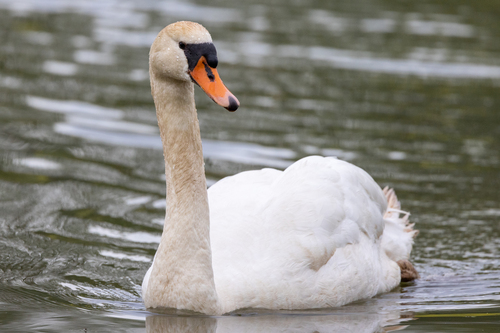
New York, US
Puedes ver Cisne Vulgar, Pato y Gorrión Común.
Ver guía →
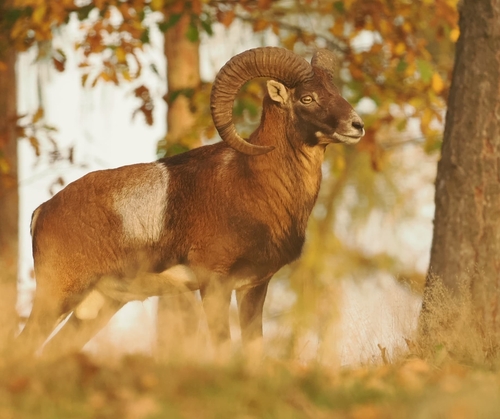
British Columbia, CA
Puedes ver Ovejas, Leather Star y Ochre Sea Star.
Ver guía →
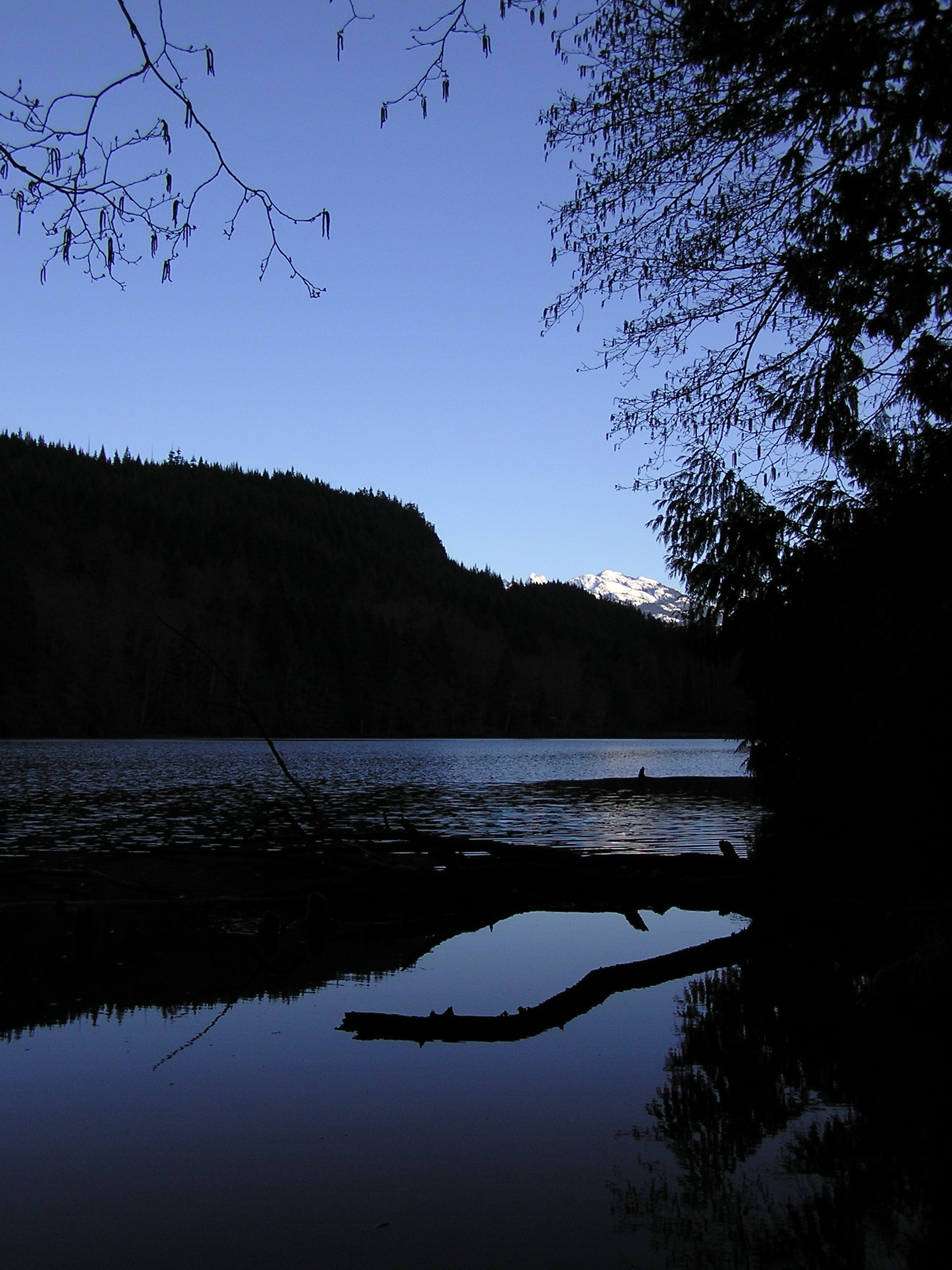
British Columbia, CA
Puedes ver Western Toad, Ghost Pipe y Pacific Coralroot.
Ver guía →
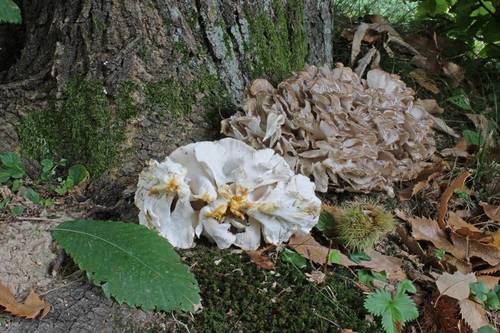
Virginia, US
Puedes ver Gallina De Los Bosques, Roble Blanco y Harlequin Glorybower.
Ver guía →
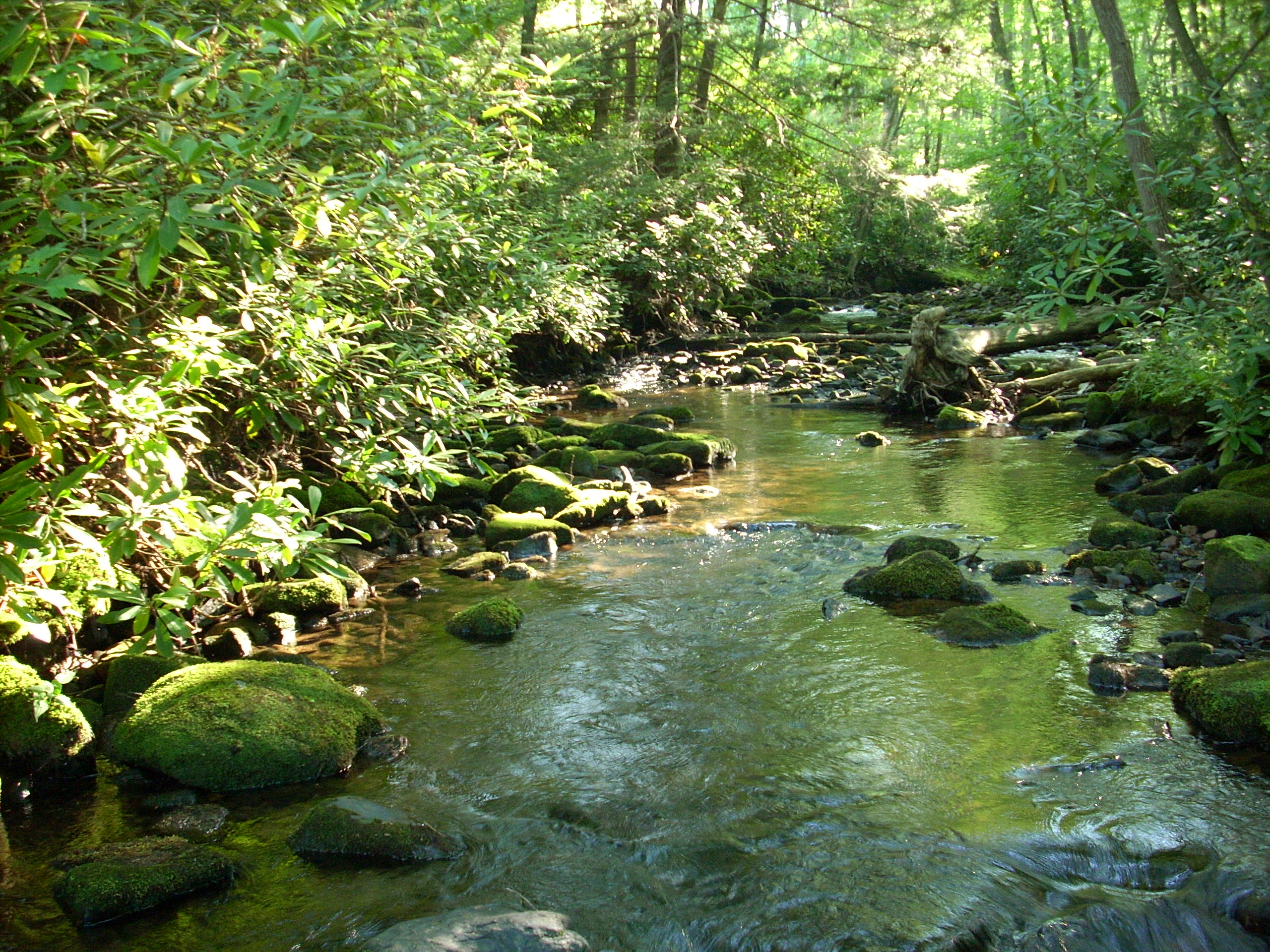
Pennsylvania, US
Puedes ver Sweet Birch, Roble Blanco y Scarlet Oak.
Ver guía →

Washington, US
Puedes ver Cascade Oregon-Grape, Abeto De Douglas y Salal.
Ver guía →






_BHL7500836.jpg&width=800)




