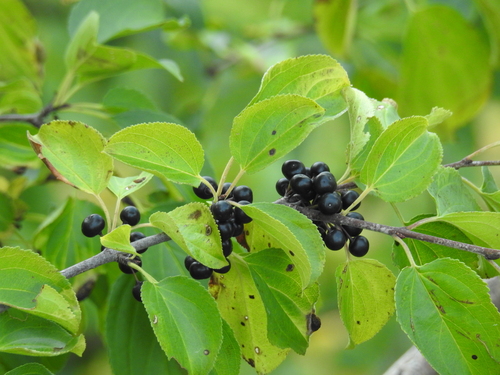



false indigo bush
Amorpha fruticosa
The false indigo bush is a pretty shrub with lovely purple flowers. It grows in wet places and is great for attracting butterflies and bees!
Hábitat: Wetlands
The false indigo bush has tall spikes of small, dark purple flowers with bright orange anthers, creating a fuzzy, bottle-brush appearance. Its compound leaves are green, turning a soft yellow in autumn. It stands out with its uniquely shaped blooms.
Categoría
PlantasRareza
Common
Peligro
1/5 · Muy bajo
Snaps
¡Sé la primera persona en hacer un snap!
Indigenous people once used parts of this tough plant for traditional medicines.
It can live in tough spots, like riverbanks, where other plants often struggle to grow.
Its seeds are hidden inside tiny, bumpy pods that look like small, shriveled beans!
The feathery purple flowers have bright orange stamens that really pop with color!
False indigo bush can enrich the soil with nitrogen, acting like a natural fertilizer for other plants around it.
This resilient bush can thrive in harsh conditions and poor soils, helping to colonize disturbed or damaged lands.
Its unique purple flowers attract many different pollinators, like bees and butterflies, providing them with nectar.
Apis mellifera
Collects nectar and pollen from the flowers.
Danaus plexippus
Feeds on nectar from the abundant blooms.
Bison bison
Browses on its leaves and tender stems in prairies.
Rhizobium leguminosarum
Forms root nodules, helping the plant fix nitrogen.
Las plantas caducifolias pierden periódicamente todas sus hojas, por lo general durante el otoño o las estaciones secas.
Describe a los organismos capaces de convertir el nitrógeno atmosférico en compuestos utilizables por las plantas.
Las plantas con flores son cualquier planta que produce flores como parte de su ciclo reproductivo.
Un arbusto es una planta leñosa más pequeña que un árbol, típicamente con múltiples tallos que se ramifican desde o cerca del suelo.

Las plantas de floración de verano producen sus flores durante la temporada estival, a menudo aportando un color vibrante cuando muchas otras plantas ya han terminado de florecer.

Las flores fragantes emiten un aroma agradable, a menudo para atraer polinizadores o como defensa.

Describe plantas que son particularmente atractivas y beneficiosas para una amplia variedad de organismos polinizadores.

Este rasgo de hábitat identifica especies que se encuentran en humedales, que son áreas de tierra saturadas de agua, ya sea permanente o estacionalmente, e incluyen marismas, pantanos y ciénagas.
Todavía no hay alias listados.
Peligro
1/5 · Muy bajo
Always look but don't touch plants without asking an adult first.
200-500 cm
150-300 cm
0.5-1 cm
Late Spring to Mid-Summer
No
Ninguna
Perenne
Insectos
Acércate para separar los grupos y explorar dónde se ha fotografiado este objeto.
Los snaps recientes aparecerán aquí a medida que se añadan nuevas observaciones.