
.jpg&width=800)





Field Crescent
Phyciodes pulchella
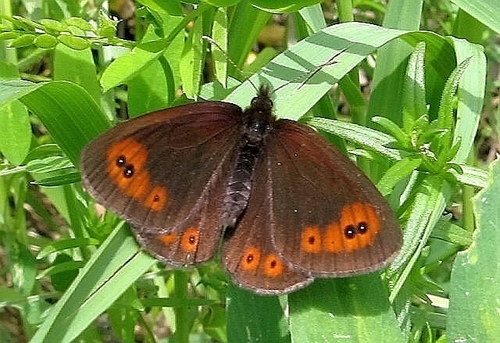
The Field Crescent is a beautiful butterfly with orange and black patterns on its wings. It loves to flutter around in sunny fields and gardens, bringing joy to everyone who sees it.
Hábitat: Grasslands
The Field Crescent is a small to medium butterfly with vibrant orange wings bordered and patterned with black lines and spots. Its underside is mottled with oranges, browns, and creams, often featuring a distinct white crescent mark on the hindwing. This pattern helps it blend into bark and dried leaves.
Categoría
InsectosRareza
Common
Peligro
1/5 · Muy bajo
Snaps
¡Sé la primera persona en hacer un snap!
Did you know its caterpillars are spiky to ward off hungry birds? Wow!
Some Field Crescents fly hundreds of miles to new homes during their lives! Wow!
These butterflies are called 'brush-footed' for tiny hair brushes on their front legs! Wow!
They taste with their feet to find the perfect plants for laying their eggs! Wow!
Field Crescent has intricate wing patterns that help them blend into their surroundings when resting on plants or bark.
Field Crescent can unfurl a long, straw-like proboscis to sip sweet nectar deep from various flowers with ease.
Field Crescent can develop quickly from egg to adult, allowing for multiple generations within a single warm season.
This butterfly sips nectar from flowers for energy, while its caterpillars munch on plant leaves.
Diferencias por edad: Larvae (caterpillars) eat plant leaves, while adults drink nectar from flowers.
.jpg&width=800)
Symphyotrichum novae-angliae
Larvae feed on its leaves
Solidago canadensis
Adults visit for nectar
Poecile atricapillus
Birds prey on adults
Los animales solitarios viven solos durante la mayor parte de su vida y solo interactúan con otros para aparearse o cuidar de sus crías.
Colorido describe a organismos u objetos que exhiben una amplia variedad de colores brillantes y distintivos.
Este rasgo caracteriza a los organismos cuya dieta consiste total o principalmente en material vegetal.
Describe plantas que son particularmente atractivas y beneficiosas para una amplia variedad de organismos polinizadores.

Los hábitats de pastizales son biomas terrestres dominados por pastos y plantas herbáceas, que sustentan a una variedad de animales de pastoreo.

Los animales diurnos están activos principalmente durante el día y suelen descansar o dormir por la noche.

Describe organismos que transfieren polen, permitiendo la fertilización y reproducción de las plantas.
Todavía no hay alias listados.
Peligro
1/5 · Muy bajo
Always watch butterflies from a distance and don't try to catch them.
25-40 mm
15-20 mm
7-21 días
15 km/h
This butterfly sips nectar from flowers for energy, while its caterpillars munch on plant leaves.
Grasslands
Foraging
6
Acércate para separar los grupos y explorar dónde se ha fotografiado este objeto.
Los snaps recientes aparecerán aquí a medida que se añadan nuevas observaciones.
.jpg)
California, US
Puedes ver California Phacelia, Twinberry Honeysuckle y Coast Paintbrush.
Ver guía →
British Columbia, CA
Puedes ver Common Alpine, Common Juniper y Field Chickweed.
Ver guía →

British Columbia, CA
Puedes ver White Pasqueflower, Columbian Ground Squirrel y Oso Negro.
Ver guía →











.jpg&width=800)