Figeater Beetle
Cotinis mutabilis
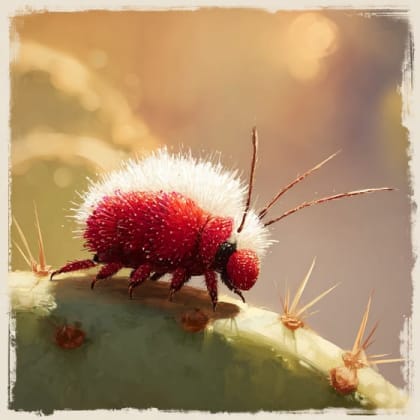
The Figeater Beetle is a shiny green beetle that loves to munch on ripe figs and fruits. They are often seen buzzing around gardens and trees, making them a fun sight to spot!
Hábitat: Urban areas
The Figeater Beetle has a large, metallic emerald-green body often with dull orange-yellow markings on its head and underside. Its smooth, iridescent wing covers can appear bronze in certain light, making it a striking jewel among insects. They are notably larger than many common garden beetles.
Categoría
InsectosRareza
Common
Peligro
1/5 · Muy bajo
Snaps
¡Sé la primera persona en hacer un snap!
Adult Figeater Beetles are often heard before they are seen, flying with a loud, distinctive buzz!
Their larvae are giant C-shaped grubs that live underground for up to two years before becoming beetles!
They are sometimes called 'Green June Beetles' in some areas, though they are a different species!
When they fly, Figeater Beetles keep their hard wing covers closed, only extending their delicate hindwings!
Figeater Beetle larvae can burrow deep underground because of their strong mandibles, helping them stay safe and find decaying matter.
Figeater Beetles can fly with a distinct buzzing sound because of their large, powerful wings, helping them quickly locate ripe fruit.
Figeater Beetles can detect the scent of fermenting fruit from a distance because of specialized antennae, helping them find their next meal.
The Figeater Beetle pupates in a sturdy soil chamber it builds, protecting it during metamorphosis from larva to adult.
These beetles love to feast on super ripe and decaying fruits, especially figs, and even tree sap!
Diferencias por edad: Larvae eat decaying organic matter in soil, while adults primarily consume ripe and fermenting fruits.

Ficus carica
Feasts on ripe fruit from fig trees.
Prunus persica
Consumes decaying or ripe peaches.
Corvus brachyrhynchos
Preyed upon by opportunistic birds.
Didelphis virginiana
Forages for them on the ground.
Colorido describe a organismos u objetos que exhiben una amplia variedad de colores brillantes y distintivos.
Este rasgo caracteriza a los organismos cuya dieta consiste total o principalmente en material vegetal.
Describe plantas que son particularmente atractivas y beneficiosas para una amplia variedad de organismos polinizadores.
Los animales diurnos están activos principalmente durante el día y suelen descansar o dormir por la noche.

Este rasgo identifica a los organismos que exhiben una rapidez excepcional en sus movimientos para cazar, escapar o desplazarse.

Esta característica de hábitat indica especies que pueden coexistir con los humanos en entornos urbanos y suburbanos, utilizando estructuras artificiales y espacios verdes.

Describe organismos que transfieren polen, permitiendo la fertilización y reproducción de las plantas.
Peligro
1/5 · Muy bajo
Figeater Beetles are harmless, but it's best to watch them from a distance.
40-60 mm
20-35 mm
30-60 días
12 km/h
These beetles love to feast on super ripe and decaying fruits, especially figs, and even tree sap!
Urban areas
Foraging
6
Acércate para separar los grupos y explorar dónde se ha fotografiado este objeto.
Los snaps recientes aparecerán aquí a medida que se añadan nuevas observaciones.