
.jpg&width=800)





Fir Tussock Moth
Orgyia detrita
The Fir Tussock Moth is a fuzzy little insect that loves to munch on fir trees. Its soft, hairy body helps it blend in with its surroundings, making it hard to spot!
Hábitat: Forests
The Fir Tussock Moth male is brownish-gray with distinctive feathery antennae and faint darker markings on its forewings. The female is strikingly different; she is wingless, plump, and has a pale grayish-yellow body covered in short hairs.
Categoría
InsectosRareza
Common
Peligro
2/5 · Bajo
Snaps
¡Sé la primera persona en hacer un snap!
Caterpillars love to munch on needles from fir, spruce, and pine trees to grow!
Male moths fly, but female moths are wingless and stay near their cocoons!
Their cocoons are often camouflaged with the caterpillar's own spiky, irritating hairs.
Touching this caterpillar's fuzzy hairs can cause an itchy rash on your skin!
Fir Tussock Moth larvae have fuzzy hairs that can irritate skin, protecting them from hungry birds.
Fir Tussock Moth males have large feathery antennae that help them sniff out a female's scent from far away.
Fir Tussock Moth larvae spin cocoons blended with their own spiky hairs, helping them hide from predators.
The female Fir Tussock Moth has no wings, so she crawls to find a mate, laying eggs nearby.
Young Fir Tussock Moths are herbivores, munching on tree needles to grow big and strong.
Diferencias por edad: Adult moths do not feed, focusing solely on reproduction. Larvae (caterpillars) are the primary feeders.
Abies balsamea
Caterpillars feed on its needles, sometimes causing significant defoliation.
Picea glauca
A primary food source for the caterpillar stage of the moth.
Cyanocitta cristata
Birds, including jays, are known predators of the larvae and pupae.
Brachymeria intermedia
This wasp lays eggs inside tussock moth pupae, killing the host.
Peludo describe a los animales que poseen una cubierta densa de pelo o pelaje suave.
Los animales solitarios viven solos durante la mayor parte de su vida y solo interactúan con otros para aparearse o cuidar de sus crías.
El camuflaje describe a los organismos que poseen colores o patrones que les permiten mezclarse con su entorno.
Este rasgo caracteriza a los organismos cuya dieta consiste total o principalmente en material vegetal.

Los hábitats boscosos son entornos terrestres dominados por una densa cubierta arbórea, que sustentan una gran diversidad de vida animal y vegetal.

Los animales nocturnos están principalmente activos durante la noche, y suelen descansar o dormir durante el día.
Todavía no hay alias listados.
Peligro
2/5 · Bajo
Don't touch moths or caterpillars without asking an adult, as some can be prickly or have chemicals that irritate the skin.
25-30 mm
10-20 mm
7-10 días
Young Fir Tussock Moths are herbivores, munching on tree needles to grow big and strong.
Forests
Foraging
6
Acércate para separar los grupos y explorar dónde se ha fotografiado este objeto.
Los snaps recientes aparecerán aquí a medida que se añadan nuevas observaciones.
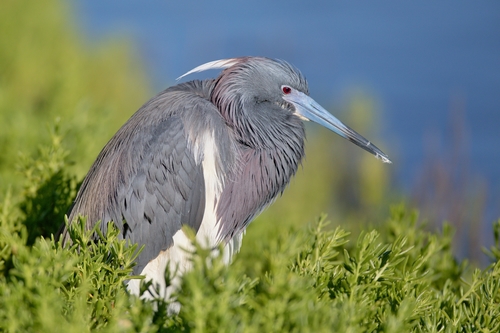
Florida, US
Puedes ver Tricolored Heron, Roseate Spoonbill y Wood Stork.
Ver guía →
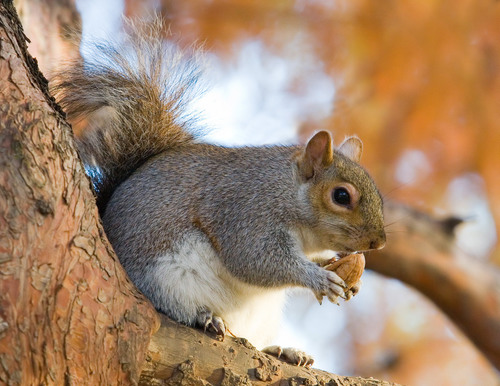
Florida, US
Puedes ver Ardilla Gris Oriental, Southern Live Oak y Fir Tussock Moth.
Ver guía →
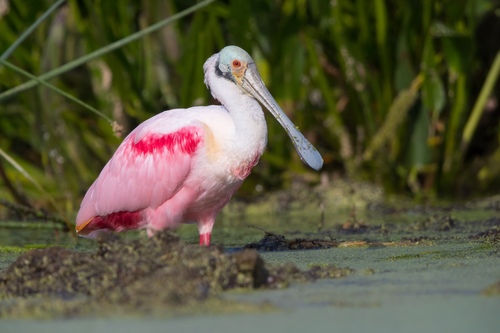
Florida, US
Puedes ver Roseate Spoonbill, Tricolored Heron y Great Egret.
Ver guía →















.jpg&width=800)

