Fleabanes And Horseweeds
erigeron
Fleabanes and horseweeds are cheerful little plants that bring color to gardens and fields! They have delicate flowers that dance in the breeze, attracting buzzing bees and fluttering butterflies.
Hábitat: Fleabanes and horseweeds thrive in sunny fields, meadows, and along roadsides.
The Fleabanes And Horseweeds has small, daisy-like flowers with many slender ray petals, often white, pink, or purple, surrounding a yellow center. Its leaves vary from broad to very narrow, sometimes hairy, along generally upright stems, visually distinct from plants with fewer or broader petals.
Categoría
PlantasRareza
Common
Peligro
0/5 · Sin peligro conocido
Snaps
¡Sé la primera persona en hacer un snap!
Fleabanes earned their name because people once believed they could actually repel fleas!
Look closely! Each fleabane 'flower' is actually a dense cluster of many individual tiny blossoms!
Some horseweeds can grow taller than a basketball hoop in just one single growing season!
They are known as 'pioneer plants' because they are often the first to sprout in new or empty ground!
Fleabanes And Horseweeds produce lightweight, parachute-like seeds that catch the wind for long-distance dispersal.
These plants can quickly colonize bare or disturbed soils, allowing them to thrive in harsh, open environments.
Their numerous small flowers provide accessible nectar and pollen, attracting a wide variety of tiny insects.
Apis mellifera
flowers provide vital nectar and pollen for foraging.
Bombus impatiens
actively visits flowers, helping transfer pollen.
Schistocerca americana
leaves and stems can be a food source for herbivores.
Colorido describe a organismos u objetos que exhiben una amplia variedad de colores brillantes y distintivos.
Este rasgo caracteriza a los organismos cuya dieta consiste total o principalmente en material vegetal.
Los hábitats de pastizales son biomas terrestres dominados por pastos y plantas herbáceas, que sustentan a una variedad de animales de pastoreo.
Los animales diurnos están activos principalmente durante el día y suelen descansar o dormir por la noche.

Describe organismos que transfieren polen, permitiendo la fertilización y reproducción de las plantas.
Peligro
0/5 · Sin peligro conocido
Todavía no hay notas especiales de seguridad.
15-200 cm
15-60 cm
0.5-2.5 cm
Late Spring to Fall
No
Ninguna
Perenne
Insectos
Acércate para separar los grupos y explorar dónde se ha fotografiado este objeto.
Los snaps recientes aparecerán aquí a medida que se añadan nuevas observaciones.
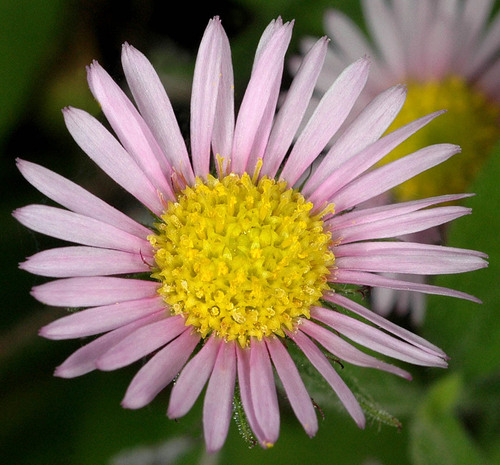
Pennsylvania, US
Puedes ver Fleabanes and Horseweeds, Honey Locust y Mariposa Almirante.
Ver guía →
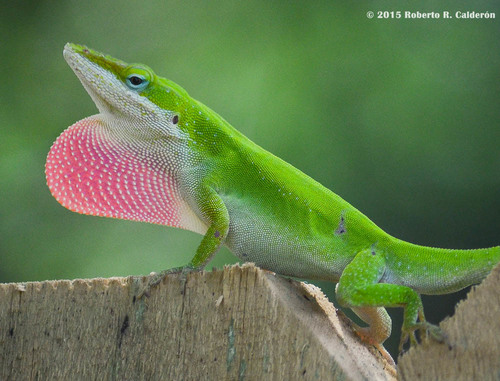
California, US
Puedes ver Anolis Verde, Chinese Privet y Pato Criollo.
Ver guía →
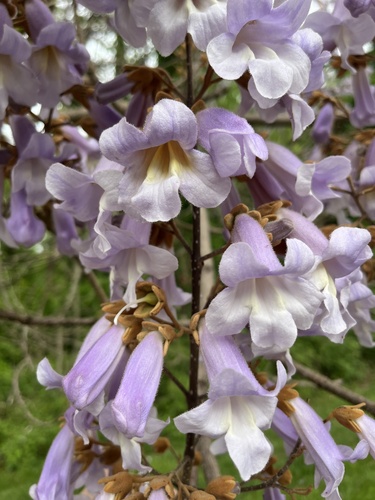
Pennsylvania, US
Puedes ver Paulownia, Mariquita Asiática y Spotted Lanternfly.
Ver guía →