
.JPG&width=800)





Flies
Diptera
Flies are tiny insects that buzz around and can be found almost everywhere! They have big eyes and can fly really fast, making them fun to watch.
Hábitat: Flies can be found in many places including gardens, forests, and near water sources.
The Flies has a diverse appearance, typically featuring a head with large compound eyes, a segmented body, and a single pair of functional wings. They often have delicate, sometimes iridescent, or hairy bodies, and six jointed legs. Their unique two wings (plus two tiny balancing organs) makes them visually distinct from most other insects.
Categoría
InsectosRareza
Common
Peligro
1/5 · Muy bajo
Snaps
¡Sé la primera persona en hacer un snap!
Even though they have excellent eyesight, flies can't see the color red very well!
Flies use their special, tiny club-shaped organs, called halteres, for balancing during flight!
Some flies, like hoverflies, cleverly mimic bees or wasps to scare predators!
The tiny larvae of many flies, called maggots, are super decomposers, cleaning up nature!
Flies can perform incredible aerial maneuvers because of their powerful flight muscles and unique balancing organs called halteres.
Flies has large compound eyes that help them see almost 360 degrees around, making it very hard to sneak up on them.
Flies can walk on walls and ceilings because of tiny hairs and special pads on their feet that create suction and grip.
Flies can taste their food by walking on it because they have taste receptors on their feet, much like our tongues.
Flies have incredibly varied diets, from nectar to decaying matter to blood!
Diferencias por edad: Larvae often eat decaying matter or plant roots, while adults feed on nectar or blood.
Hirundo rustica
Swallows are agile insect hunters.
Aranaeus diadematus
Spiders often trap flies in webs.
.jpg&width=800)
Aster novae-angliae
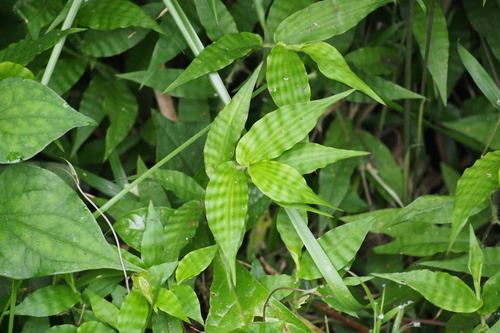
Many fly species visit flowers for nectar.
Los animales sociales viven en grupos organizados, cooperando para obtener beneficios de supervivencia como la búsqueda de alimento, la defensa y la cría de descendencia.
Colorido describe a organismos u objetos que exhiben una amplia variedad de colores brillantes y distintivos.
Describe a los organismos que descomponen la materia orgánica muerta, reciclando los nutrientes de vuelta al ecosistema.
Los animales diurnos están activos principalmente durante el día y suelen descansar o dormir por la noche.

Describe organismos que transfieren polen, permitiendo la fertilización y reproducción de las plantas.
Peligro
1/5 · Muy bajo
Todavía no hay notas especiales de seguridad.
1-150 mm
0.5-100 mm
7-90 días
8 km/h
Flies have incredibly varied diets, from nectar to decaying matter to blood!
Flies can be found in many places including gardens, forests, and near water sources.
Foraging
6
Acércate para separar los grupos y explorar dónde se ha fotografiado este objeto.
Los snaps recientes aparecerán aquí a medida que se añadan nuevas observaciones.





.jpg&width=800)






