

Florida Sle Mosquito
culex nigripalpus
Culex nigripalpus, commonly known as the Florida SLE mosquito, is a small but highly ecologically and medically significant insect native to the warm, humid regions of the Americas. Renowned as the primary vector of St. Louis encephalitis (SLE) virus in Florida, this species plays a complex role in local ecosystems. While males feed harmlessly on plant nectar, females require blood meals to develop their eggs, feeding on a wide range of hosts from birds to mammals. This dual feeding behavior links them closely to both avian reservoirs and human populations, making them a key subject of public health monitoring. Spotting this mosquito requires looking closely at humid, shaded outdoor spaces during warm evenings. Although they are often seen as pests, understanding their life cycle and behavior is vital for local ecological management and vector control.
Hábitat: Typically found in warm, humid subtropical climates, particularly near temporary pools, freshwater marshes, ditches, and heavily vegetated humid woodlands.
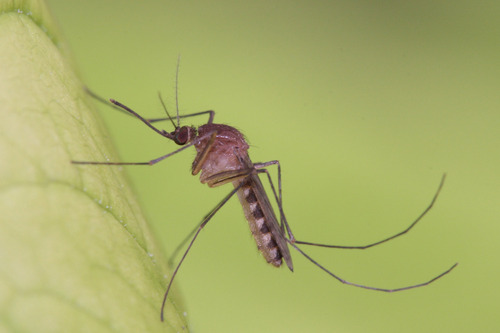
A small, delicate insect, Culex nigripalpus is typically dark brown to blackish in color with a slender body shape. It lacks the distinctive bright white markings found on some other mosquito genera, instead possessing dark-scaled legs and a largely unbanded abdomen, though subtle pale basal bands may sometimes be visible. Its wings are clear, narrow, and covered in fine, dark scales. Adult individuals are minute, generally measuring only 3 to 5 millimeters in length, with thin, thread-like antennae and a long, needle-like proboscis designed for piercing and sucking.
Categoría
InsectosRareza
Common
Peligro
1/5 · Muy bajo
Snaps
¡Sé la primera persona en hacer un snap!
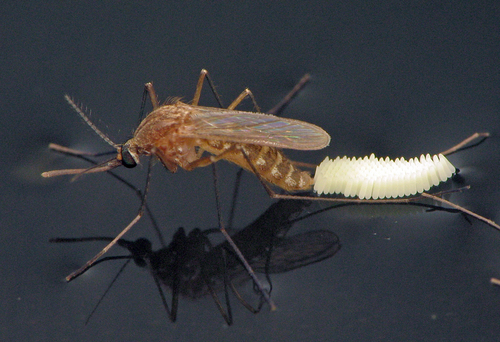
Females lay their eggs in floating cohesive rafts of 100 to 300 eggs directly on the surface of standing water.
Only female Florida SLE mosquitoes bite; they require the proteins found in blood to develop their eggs, while males feed only on nectar.
Their activity patterns are highly dependent on humidity, spiking drastically when relative humidity exceeds 85 percent.
This species is the primary vector responsible for the historic 1990 epidemic of St. Louis Encephalitis in Florida.
Females use specialized olfactory receptors to detect trace amounts of carbon dioxide and body heat from potential hosts hundreds of feet away.
This species is highly adapted to flying in low-light and high-humidity conditions, protecting it from desiccation while maximizing foraging success.
It can harbor and transmit viral pathogens, such as St. Louis encephalitis virus, safely within its salivary glands without harming itself.
Adult males feed exclusively on plant nectar and juices, while adult females feed on both flower nectar for energy and host blood for egg development.
Diferencias por edad: Larvae filter-feed on microscopic aquatic organic matter and bacteria, whereas adults feed on nectar and blood.
Cardinalis cardinalis
Females frequently feed on the blood of perching birds, which serves as a reservoir for the SLE virus.
Gambusia holbrooki
Mosquitofish actively prey upon the aquatic larval stage of this mosquito, helping control their population.
Dryophytes cinereus
Adult frogs hunt and feed on adult mosquitoes resting on damp vegetation.
Aún no hay insignias de rasgos asignadas a este objeto.
Todavía no hay alias listados.
Las colecciones para este objeto aparecerán aquí a medida que se añadan más temas.
Peligro
1/5 · Muy bajo
Todavía no hay notas especiales de seguridad.
La forma más fácil de identificar a Florida Sle Mosquito es usar la aplicación de identificación de naturaleza Snappit.
0+ cm
0+ cm
0+ kg
0+ años
2 km/h
Adult males feed exclusively on plant nectar and juices, while adult females feed on both flower nectar for energy and host blood for egg development.
Typically found in warm, humid subtropical climates, particularly near temporary pools, freshwater marshes, ditches, and heavily vegetated humid woodlands.
Acércate para separar los grupos y explorar dónde se ha fotografiado este objeto.
Los snaps recientes aparecerán aquí a medida que se añadan nuevas observaciones.









_Male_(19416867136).png&width=800)





