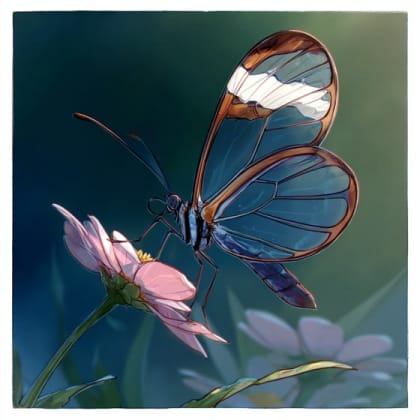
Florida Tussock Moth
Halysidota cinctipes
The Florida Tussock Moth is a fluffy, colorful insect that loves to munch on plants. Its soft, hairy body helps it blend in with the leaves, making it hard for predators to spot!
Hábitat: Urban areas
The Florida Tussock Moth has creamy white to pale yellow wings, often marked with faint brown or orange spots and bands. Its body is fuzzy and yellowish, making it blend in with its surroundings, distinguishing it from moths with darker, more intricate patterns.
Categoría
InsectosRareza
Common
Peligro
1/5 · Muy bajo
Snaps
¡Sé la primera persona en hacer un snap!
Adult moths don't have mouths to eat; they just live to find a mate!
Caterpillars can store plant toxins to make themselves taste bad to predators!
Some caterpillars are so fuzzy they look like tiny bottle brushes!
Their caterpillars eat many different plants, like oak and citrus leaves!
Florida Tussock Moth caterpillars have irritating hairs that can cause a rash if touched, helping them deter predators.
Florida Tussock Moths can fly effectively at night because their large eyes are adapted to low light conditions, helping them find mates.
Florida Tussock Moths have muted wing patterns and colors that help them blend seamlessly into tree bark, hiding from birds.
Caterpillars munch on plant leaves, but adult moths do not feed at all!
Diferencias por edad: Adult moths do not feed, focusing only on reproduction; caterpillars are voracious plant eaters.
Quercus virginiana
Caterpillars feed on leaves.
Citrus sinensis
Caterpillars consume leaves.

Lasiurus borealis
Adult moths are prey.
Cyanocitta cristata
Birds eat larvae and adults.
Peludo describe a los animales que poseen una cubierta densa de pelo o pelaje suave.
Los animales solitarios viven solos durante la mayor parte de su vida y solo interactúan con otros para aparearse o cuidar de sus crías.
El camuflaje describe a los organismos que poseen colores o patrones que les permiten mezclarse con su entorno.
Colorido describe a organismos u objetos que exhiben una amplia variedad de colores brillantes y distintivos.

Este rasgo caracteriza a los organismos cuya dieta consiste total o principalmente en material vegetal.

Describe plantas que son particularmente atractivas y beneficiosas para una amplia variedad de organismos polinizadores.

Los animales diurnos están activos principalmente durante el día y suelen descansar o dormir por la noche.

Esta característica de hábitat indica especies que pueden coexistir con los humanos en entornos urbanos y suburbanos, utilizando estructuras artificiales y espacios verdes.

Describe organismos que transfieren polen, permitiendo la fertilización y reproducción de las plantas.
Todavía no hay alias listados.
Peligro
1/5 · Muy bajo
It's best to look at moths from a distance and not touch them, as some can be delicate.
30-45 mm
15-20 mm
7-14 días
Caterpillars munch on plant leaves, but adult moths do not feed at all!
Urban areas
6
Acércate para separar los grupos y explorar dónde se ha fotografiado este objeto.
Los snaps recientes aparecerán aquí a medida que se añadan nuevas observaciones.