





Formica fusca
Formica fusca
La Formica fusca es una hormiga pequeña y trabajadora que vive en colonias. Son conocidas por su trabajo en equipo y se pueden encontrar en muchos lugares, ayudando a mantener el medio ambiente sano.
Hábitat: Bosques
La Formica fusca es una hormiga de tamaño mediano, típicamente de color marrón oscuro a negro, con un cuerpo ligeramente brillante. Su forma esbelta y alargada la distingue de especies de hormigas más robustas, y carece de pelos prominentes en su cabeza y tórax.
Categoría
InsectosRareza
Common
Peligro
1/5 · Muy bajo
Snaps
1
¡Una sola reina Formica fusca puede vivir hasta 20 años, fundando enormes colonias!
¡Otras especies de hormigas a veces asaltan los nidos de Formica fusca para robar sus crías y convertirlas en obreras!
¡Estas hormigas pueden producir un anticongelante natural para sobrevivir a temperaturas invernales muy frías.
Son conocidas por 'cultivar' pulgones, protegiéndolos por su dulce y azucarada melaza.
La Formica fusca puede correr increíblemente rápido, alcanzando velocidades que la ayudan a escapar rápidamente de los depredadores o a cazar pequeñas presas.
La Formica fusca tiene glándulas especiales que pueden rociar ácido fórmico, lo que la ayuda a defender el nido y paralizar a pequeños enemigos.
La Formica fusca puede seguir complejos rastros de olor dejados por sus hermanas, guiándolas eficientemente a fuentes de alimento y de regreso a casa.
La Formica fusca puede construir intrincados nidos subterráneos que protegen a la colonia de depredadores y de condiciones climáticas adversas.
Estas hormigas son omnívoras, comen tanto materia vegetal como melaza y pequeños insectos.
Polyergus rufescens
Estas hormigas 'esclavistas' asaltan nidos para robar crías.
Aphis fabae
Formica fusca protege a los pulgones por su dulce melaza.
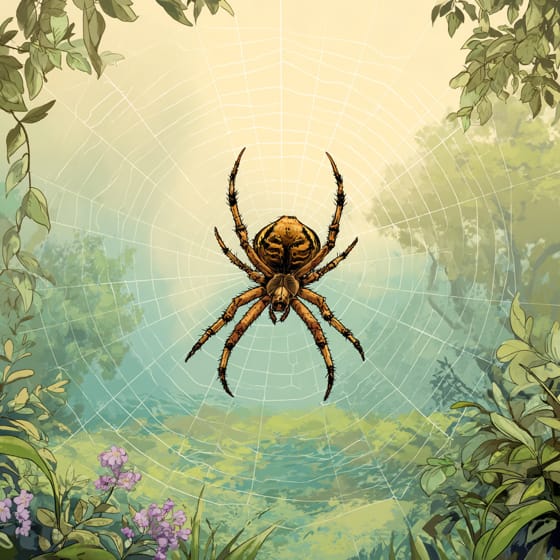
Araneus diadematus
Las arañas atrapan hormigas forrajeadoras en sus telarañas para alimentarse.
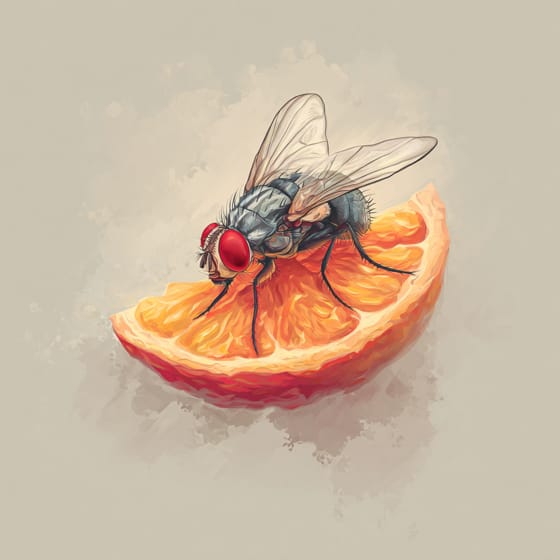
Drosophila melanogaster
Estas hormigas buscan moscas de la fruta muertas o cazan las vivas.
Los animales sociales viven en grupos organizados, cooperando para obtener beneficios de supervivencia como la búsqueda de alimento, la defensa y la cría de descendencia.
Este rasgo identifica organismos cuya dieta incluye tanto materia vegetal como animal.
Los hábitats boscosos son entornos terrestres dominados por una densa cubierta arbórea, que sustentan una gran diversidad de vida animal y vegetal.
Describe a los organismos que descomponen la materia orgánica muerta, reciclando los nutrientes de vuelta al ecosistema.

Los animales diurnos están activos principalmente durante el día y suelen descansar o dormir por la noche.

Describe una especie cuya presencia y papel tienen un efecto desproporcionadamente grande en su entorno.

Relativo a especies que son significativamente más pequeñas que lo típico o promedio de su tipo.

Describe organismos que transfieren polen, permitiendo la fertilización y reproducción de las plantas.
Todavía no hay alias listados.
Peligro
1/5 · Muy bajo
Las hormigas generalmente no son dañinas, pero es mejor no molestar sus nidos.
La forma más fácil de identificar a Formica fusca es usar la aplicación de identificación de naturaleza Snappit.
3.5-6 mm
365-730 días
Estas hormigas son omnívoras, comen tanto materia vegetal como melaza y pequeños insectos.
Bosques
Forrajeo
6
15000
Acércate para separar los grupos y explorar dónde se ha fotografiado este objeto.
Llévate el descubrimiento
Haz una foto con Snappit, identifica la especie y guarda el hallazgo en tu colección.









.jpg&width=800)


