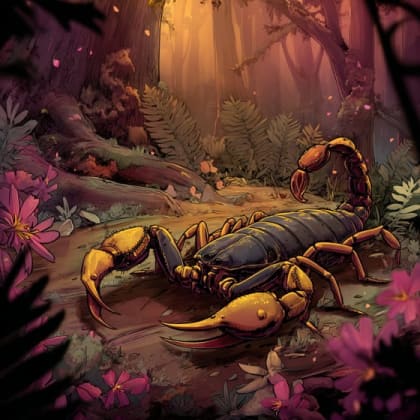




Four-Spotted Odorous Ant
Dolichoderus quadripunctatus
The Four-Spotted Odorous Ant is a small ant known for its unique smell when disturbed. They are social insects that work together in large groups to find food and build their homes.
Hábitat: Forests
The Four-Spotted Odorous Ant is a small, dark brown to black ant with a dull, matte sheen. It has four prominent, yellowish-white spots on its abdomen, making it easily identifiable from similar ants.
Categoría
InsectosRareza
Common
Peligro
2/5 · Bajo
Snaps
¡Sé la primera persona en hacer un snap!
Sometimes, they pretend to be dead when danger is near to trick predators!
Their "four spots" can sometimes be more or less, making them tricky!
These ants don't sting, but can bite and spray an irritating liquid!
They often march in long lines, following invisible scent trails to food.
Four-Spotted Odorous Ants can release a unique, chemical odor when threatened because it helps them scare away predators.
Four-Spotted Odorous Ants have a special ability to build their nests high up in trees because it keeps them safe from ground predators.
Four-Spotted Odorous Ants can "farm" tiny insects called aphids because they produce a sugary liquid called honeydew.
These ants are omnivores, enjoying sugary liquids like honeydew and small insects.
Aphis fabae
tends for sweet honeydew on plants.
Quercus robur
builds nests in tree bark and crevices.
%2C_Parc_de_Woluw%C3%A9%2C_Brussels_(13042792905).jpg&width=800)
Parus major
preys on foraging ants on trees.
Marcado con manchas o parches de un color diferente.
Los animales sociales viven en grupos organizados, cooperando para obtener beneficios de supervivencia como la búsqueda de alimento, la defensa y la cría de descendencia.
Este rasgo identifica organismos cuya dieta incluye tanto materia vegetal como animal.
Los hábitats boscosos son entornos terrestres dominados por una densa cubierta arbórea, que sustentan una gran diversidad de vida animal y vegetal.

Describe a los organismos que descomponen la materia orgánica muerta, reciclando los nutrientes de vuelta al ecosistema.

Describe organismos que transfieren polen, permitiendo la fertilización y reproducción de las plantas.
Todavía no hay alias listados.
Peligro
2/5 · Bajo
Be careful not to disturb ant nests, as they can bite if they feel threatened.
2-4 mm
60-90 días
These ants are omnivores, enjoying sugary liquids like honeydew and small insects.
Forests
Foraging
6
10000
Acércate para separar los grupos y explorar dónde se ha fotografiado este objeto.
Los snaps recientes aparecerán aquí a medida que se añadan nuevas observaciones.