fragrant sumac
Rhus aromatica
Fragrant sumac is a small shrub with bright green leaves that smell sweet when you touch them. In the fall, its leaves turn beautiful shades of red and orange, making it a lovely sight in nature.
Hábitat: Grasslands
The fragrant sumac is a low-growing shrub with distinctive three-part leaves that turn vibrant shades of orange, red, and purple in fall. It has clusters of small, yellowish-green flowers in spring, followed by fuzzy, bright red berries that persist into winter.
Categoría
PlantasRareza
Common
Peligro
1/5 · Muy bajo
Snaps
¡Sé la primera persona en hacer un snap!
Crush its leaves and you'll smell a wonderfully fresh, lemony scent!
Its tart red berries are used to make a refreshing, pink 'sumac-ade' drink!
The fuzzy berries are called drupes and are packed with Vitamin C!
This super tough shrub can grow where other plants can't, like rocky, poor soil!
Fragrant sumac has deep, spreading roots that help it find water and survive in very dry places.
Its extensive root system firmly holds soil in place, preventing erosion on slopes and hillsides.
Its bright red berries stay on the plant through winter, providing a vital food source for birds.
Apis mellifera
Visits flowers for nectar and pollen
Turdus migratorius
Eats persistent winter berries
Odocoileus virginianus
Browses on leaves and twigs

Peromyscus leucopus
Hides among its dense branches
Las plantas aromáticas producen y emiten compuestos orgánicos volátiles fragantes, a menudo como defensa o para atraer a los polinizadores.
Las plantas caducifolias pierden periódicamente todas sus hojas, por lo general durante el otoño o las estaciones secas.
Un arbusto es una planta leñosa más pequeña que un árbol, típicamente con múltiples tallos que se ramifican desde o cerca del suelo.
Las flores fragantes emiten un aroma agradable, a menudo para atraer polinizadores o como defensa.

Los colores otoñales se refieren al cambio estacional en la pigmentación del follaje, principalmente en plantas de hoja caduca, mostrando tonos vibrantes.

Describe plantas que son particularmente atractivas y beneficiosas para una amplia variedad de organismos polinizadores.

Los hábitats de pastizales son biomas terrestres dominados por pastos y plantas herbáceas, que sustentan a una variedad de animales de pastoreo.
Todavía no hay alias listados.
Peligro
1/5 · Muy bajo
Always look but don't touch plants without asking an adult first.
60-250 cm
120-300 cm
0.2-0.5 cm
Primavera
Sí
Ninguna
Perenne
Insectos
Acércate para separar los grupos y explorar dónde se ha fotografiado este objeto.
Los snaps recientes aparecerán aquí a medida que se añadan nuevas observaciones.
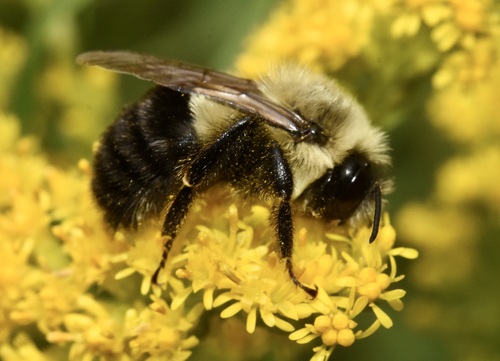
Michigan, US
Puedes ver Common Eastern Bumble Bee y Brown-Belted Bumble Bee.
Ver guía →
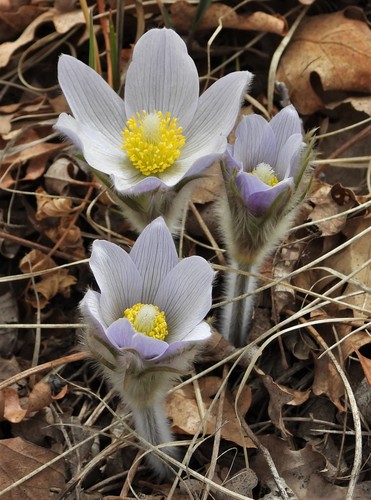
South Dakota, US
Puedes ver Prairie Pasqueflower, Common Buckthorn y Tatarian Honeysuckle.
Ver guía →

South Dakota, US
Puedes ver Scarlet Globemallow, Leadplant y Yellow Salsify.
Ver guía →

Nebraska, US
Puedes ver Great Plains Yucca, Plains Pricklypear y Winterfat.
Ver guía →

Montana, US
Puedes ver Borrego Cimarrón y Curlleaf Mountain Mahogany.
Ver guía →