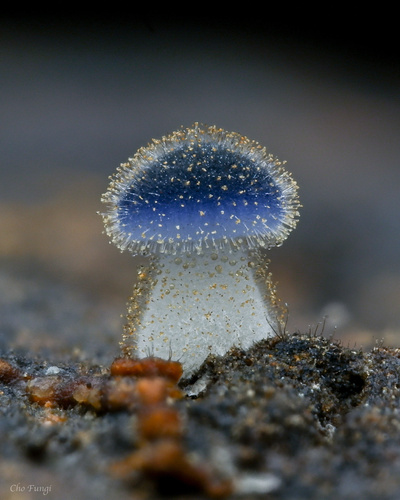


Fungi Including Lichens
fungi
Fungi, including the symbiotic partnerships known as lichens, represent an incredibly diverse and ancient kingdom of life distinct from plants and animals. These remarkable organisms act as nature's primary recyclers, breaking down organic matter and cycling crucial nutrients back into the ecosystem. From the vast underground networks of mycelium that connect whole forests to the colorful mushrooms that emerge overnight, fungi play an indispensable role in maintaining terrestrial life. Lichens, which blend fungi with photosynthetic partners like algae or cyanobacteria, showcase the ultimate cooperative survival strategy, colonizing barren rocks and harsh environments where little else can survive. Together, they form the hidden infrastructure of our natural world, facilitating plant growth, building soil, and offering endless wonders to curious nature spotters.
Hábitat: Found in almost every terrestrial habitat worldwide, from damp forest floors and decaying logs to exposed alpine rocks and urban sidewalk cracks.
Fungi and lichens present an astonishing array of shapes, colors, and textures, ranging from tiny, bright orange cups and intricate, fan-like bracket fungi to leafy, pale green foliose lichens clinging to tree bark. Mushrooms, the reproductive fruiting bodies of many fungi, typically feature a cap, gills or pores underneath, and a stem, though some species resemble coral, puffballs, or delicate lattices. Lichens can appear as crusty patches (crustose), leaf-like structures (foliose), or bushy tufts (fruticose) in shades of gray, neon yellow, deep orange, and muted green. Size varies dramatically, from microscopic single-celled yeasts to massive underground networks spanning several kilometers.
Categoría
HongosRareza
Common
Peligro
1/5 · Muy bajo
Snaps
¡Sé la primera persona en hacer un snap!
Lichens are so resilient they have been shown to survive in the vacuum of space without damage to their structure.
Some fungi are bioluminescent, glowing with a soft green light in the dark forest through a chemical reaction called foxfire.
The largest known organism on Earth is a honey fungus (Armillaria ostoyae) in Oregon, which covers over 2,385 acres of forest.
Fungi form underground mycorrhizal networks that allow plants to share nutrients and chemical warning signals.
Many lichens can completely dehydrate during extreme droughts and revive instantly when exposed to moisture.
Fungi secrete powerful external enzymes that can digest complex organic compounds like lignin and cellulose.
Fungi absorb nutrients externally by secreting enzymes to break down organic matter, while lichens gain energy from symbiotic photosynthetic partners.
Pseudotsuga menziesii
Forms a mutually beneficial mycorrhizal relationship with the tree's roots, exchanging nutrients for sugars.
Sciurus vulgaris
Feeds on the fruiting bodies of various forest fungi.
Aún no hay insignias de rasgos asignadas a este objeto.
Las colecciones para este objeto aparecerán aquí a medida que se añadan más temas.
Peligro
1/5 · Muy bajo
Todavía no hay notas especiales de seguridad.
La forma más fácil de identificar a Fungi Including Lichens es usar la aplicación de identificación de naturaleza Snappit.
1-50 cm
0.001-2 kg
1-100 años
Fungi absorb nutrients externally by secreting enzymes to break down organic matter, while lichens gain energy from symbiotic photosynthetic partners.
Found in almost every terrestrial habitat worldwide, from damp forest floors and decaying logs to exposed alpine rocks and urban sidewalk cracks.
Acércate para separar los grupos y explorar dónde se ha fotografiado este objeto.
Los snaps recientes aparecerán aquí a medida que se añadan nuevas observaciones.
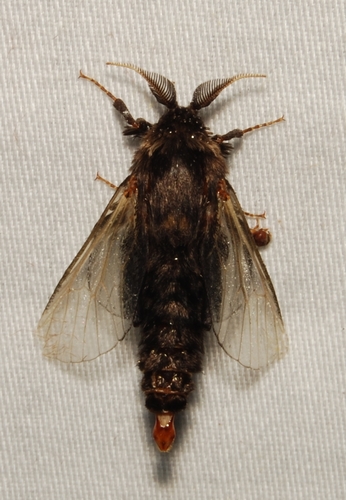
Virginia, US
Puedes ver Polilla De La Oruga De La Bolsa Perenne y Indigos Silvestres.
Ver guía →

Central Denmark Region, DK
Puedes ver Sapo Común, Cardencha y Epilobio.
Ver guía →

Virginia, US
Puedes ver Mosca Linterna Moteada y Hiedra Venenosa Del Este.
Ver guía →

British Columbia, CA
Puedes ver Cornejo De Tallos Rojos, Gayuba y Fresa De Virginia.
Ver guía →










