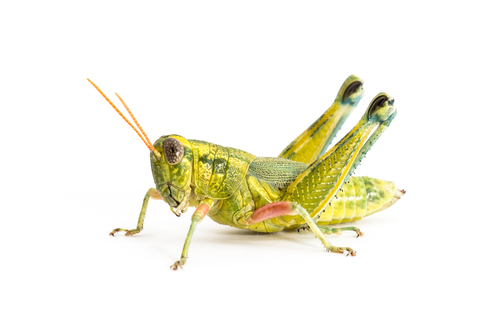


Fuzzy Olive-Green Grasshopper
campylacantha olivacea
The Fuzzy Olive-Green Grasshopper (Campylacantha olivacea) is a charming and distinctive insect native to North American grasslands. True to its name, this grasshopper stands out due to its soft, finely pubescent (fuzzy) body texture and its beautiful coloration, which ranges from pale sage to rich olive green. Unlike some of their highly destructive agricultural relatives, these small spur-throated grasshoppers lead relatively quiet lives nestled within dense herbaceous vegetation, where they play a vital role in local food webs. They are highly dependent on specific host plants, particularly within the sunflower family, making them excellent indicators of healthy, diverse grassland ecosystems. Their gentle appearance, combined with their habit of clinging quietly to plant stems rather than immediately jumping away, makes them a delightful find for nature enthusiasts and photographers alike.
Hábitat: Typically found in prairies, old fields, and roadside ditches, particularly where composite weeds such as ragweeds and wild sunflowers are abundant.
This species is characterized by its overall olive-green to yellowish-green coloration and a subtle coating of fine, white hairs that give it a distinctive velvety sheen. It typically features a dark stripe running from behind the eye along the side of the pronotum. Its wings are often relatively short, exposing much of the abdomen, though long-winged individuals occasionally occur. Adults measure between 2.0 to 3.5 centimeters in length, with females being notably larger and stockier than males.
Categoría
InsectosRareza
Common
Peligro
1/5 · Muy bajo
Snaps
¡Sé la primera persona en hacer un snap!
The fine hairs that give this species its 'fuzzy' look help prevent dew and condensation from clinging directly to its body, keeping it dry and reducing the risk of fungal infections.
They are highly associated with ragweed, turning a notorious plant allergen for humans into their primary source of nutrition and habitat.
Unlike many other grasshoppers that immediately flee with powerful leaps, the Fuzzy Olive-Green Grasshopper often relies on its camouflage first, remaining motionless or slipping silently to the far side of a stem.
The fine hairs covering its body help trap a layer of air, aiding in temperature regulation during cool mornings and dampening vibrations from approaching predators.
Its soft olive-green coloration and textured body perfectly mimic the fuzzy stems and leaves of its preferred host plants, making it nearly invisible to birds.
Specially adapted mouthparts and digestive enzymes allow it to feed on tough, chemically defended composite plants like ragweed that other herbivores avoid.
Feeds primarily on the leaves and stems of herbaceous plants, with a strong preference for members of the Asteraceae family.
Diferencias por edad: Nymphs feed on tender new growth and softer foliage, while adults can consume tougher, fibrous leaves and stems.
Ambrosia artemisiifolia
The Fuzzy Olive-Green Grasshopper feeds extensively on common ragweed, utilizing it for nutrition and finding shelter within its thick foliage.
Lanius ludovicianus
This bird is a prominent predator of grasshoppers, scanning from fence posts and diving to capture them in weedy fields.
Argiope aurantia
This large spider regularly constructs webs in tall grassland weeds, capturing jumping or flying grasshoppers as a key food source.
Aún no hay insignias de rasgos asignadas a este objeto.
Todavía no hay alias listados.
Las colecciones para este objeto aparecerán aquí a medida que se añadan más temas.
Peligro
1/5 · Muy bajo
Todavía no hay notas especiales de seguridad.
La forma más fácil de identificar a Fuzzy Olive-Green Grasshopper es usar la aplicación de identificación de naturaleza Snappit.
Feeds primarily on the leaves and stems of herbaceous plants, with a strong preference for members of the Asteraceae family.
Typically found in prairies, old fields, and roadside ditches, particularly where composite weeds such as ragweeds and wild sunflowers are abundant.
Grazing
Acércate para separar los grupos y explorar dónde se ha fotografiado este objeto.
Los snaps recientes aparecerán aquí a medida que se añadan nuevas observaciones.




.jpg&width=800)










