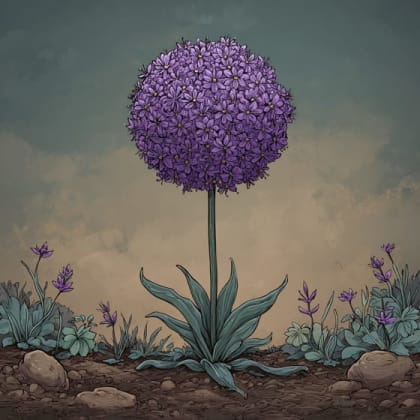
gallberry
Ilex glabra
Gallberry is a lovely shrub that grows in wetlands and is known for its shiny green leaves. It produces small black berries that birds love to eat!
Hábitat: Wetlands
The gallberry is an evergreen shrub with glossy, dark green leaves that are typically oval-shaped with a few teeth near the tip. Its small, inconspicuous white flowers develop into abundant, pea-sized black berries that persist through winter, making it visually distinct.
Categoría
PlantasRareza
Common
Peligro
2/5 · Bajo
Snaps
¡Sé la primera persona en hacer un snap!
Gallberry is a type of holly, but without any prickly spines!
Its beautiful berries transform from green to shiny, dark black.
Many small native bees and butterflies love its tiny white flowers.
Native Americans once brewed a tea from gallberry leaves!
Gallberry has tough, waxy leaves that stay green all year, helping it keep making food even in cold winter months.
Gallberry can grow in soggy, acidic soils where many other plants struggle, thanks to its specialized root system.
Gallberry's berries stay on the plant through winter, providing a vital food source for birds when other foods are scarce.
Turdus migratorius
Feasts on its persistent black berries in winter.
Apis mellifera
Visits small white flowers for nectar and pollen.
Odocoileus virginianus
Browses on its leaves and twigs, especially young growth.
Sialia sialis
Relies on its berries as a crucial winter food source.
Las plantas ornamentales se cultivan principalmente por su atractivo estético, embelleciendo paisajes y jardines con su atractivo follaje, flores o forma.
Un arbusto es una planta leñosa más pequeña que un árbol, típicamente con múltiples tallos que se ramifican desde o cerca del suelo.
Las plantas de hoja perenne conservan su follaje durante todo el año, sin perder nunca todas sus hojas a la vez.
Las plantas frutales producen frutos, que son los ovarios maduros de las plantas con flores que contienen semillas.

Las plantas comestibles son aquellas partes de una planta que se consideran seguras para el consumo humano.

Describe plantas que son particularmente atractivas y beneficiosas para una amplia variedad de organismos polinizadores.

Este rasgo de hábitat identifica especies que se encuentran en humedales, que son áreas de tierra saturadas de agua, ya sea permanente o estacionalmente, e incluyen marismas, pantanos y ciénagas.
Todavía no hay alias listados.
Peligro
2/5 · Bajo
Always look but don't touch the berries, as they can be hard to digest.
100-300 cm
100-200 cm
0.5-1 cm
Spring-Summer
No
Ninguna
Perenne
Insectos
Acércate para separar los grupos y explorar dónde se ha fotografiado este objeto.
Los snaps recientes aparecerán aquí a medida que se añadan nuevas observaciones.
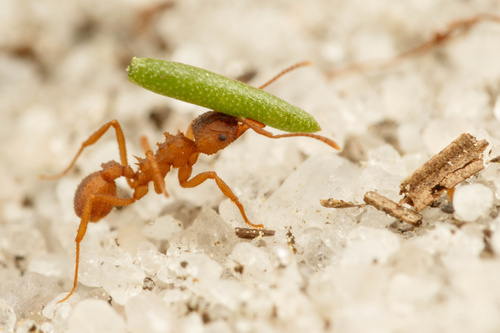
New York, US
Puedes ver Northern Fungus-Farming Ant, Bronzed Tiger Beetle y Gallberry.
Ver guía →

Florida, US
Puedes ver False Rosemary, Florida Rosemary y Sanderling.
Ver guía →
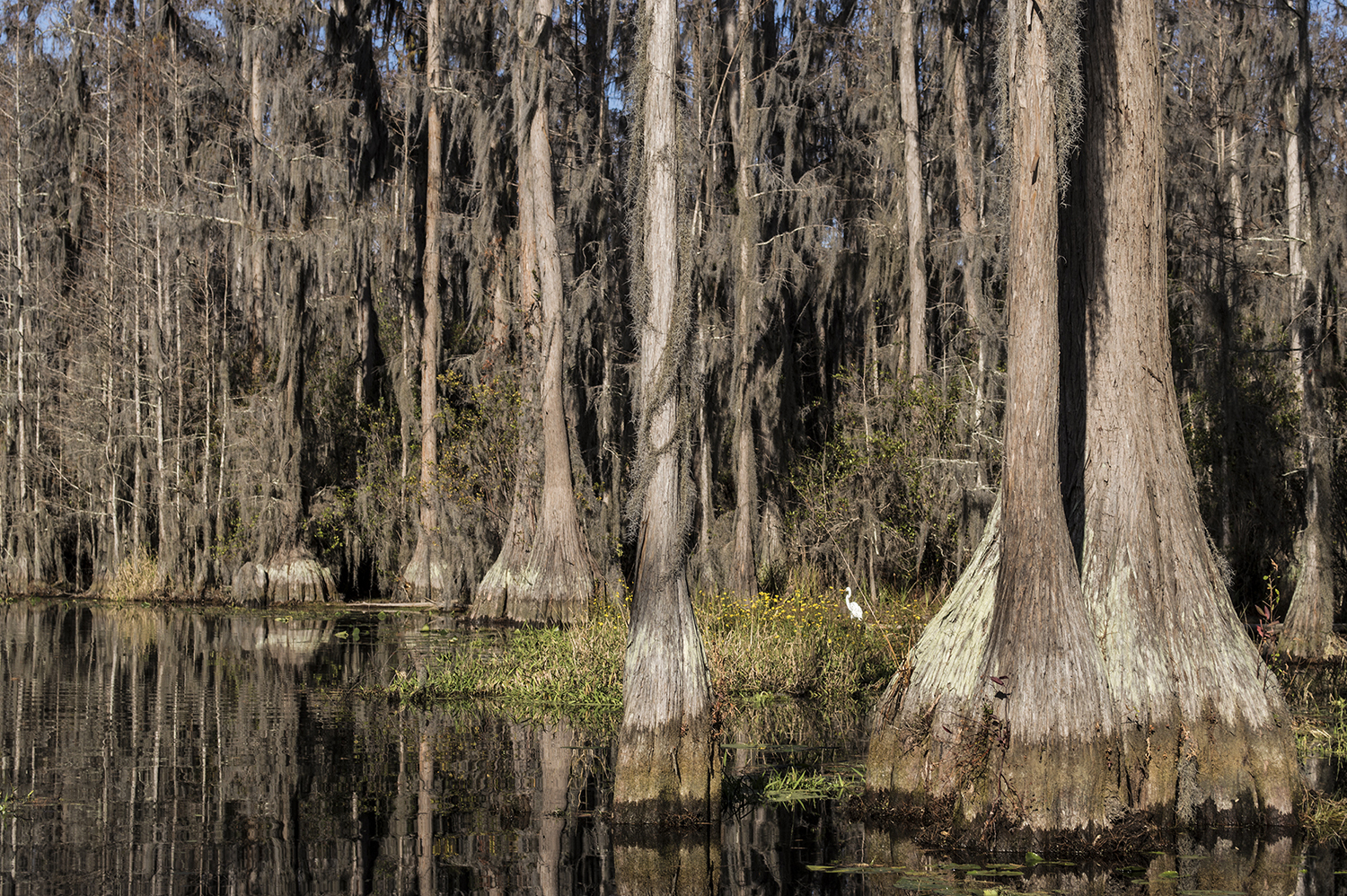
Georgia, US
Puedes ver Caimán Americano, Ciervo De Cola Blanca y Anolis Verde.
Ver guía →
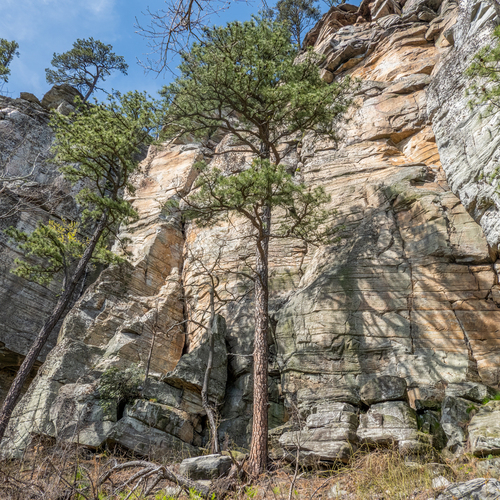
New Jersey, US
Puedes ver Pitch Pine, Pato y Gallberry.
Ver guía →




_Valerianella_locusta_-_inflorescences_and_Leaf.jpg&width=800)