

Garberia
garberia heterophylla
La Garberia (Garberia heterophylla) es un arbusto perenne único nativo exclusivamente de los matorrales arenosos y pinares de Florida. Como género monotípico raro en la familia de las asteráceas (Asteraceae), se destaca como un tesoro ecológico del sureste de los Estados Unidos. A finales de otoño, cuando la mayoría de las otras flores silvestres se han desvanecido, la Garberia irrumpe en una impresionante exhibición de fragantes y plumosas flores de color rosa a lavanda, lo que le ha valido el afecto tanto de los entusiastas de las plantas nativas como de los polinizadores. Está altamente adaptada a los ambientes duros, pobres en nutrientes y propensos a incendios de la península de Florida, lo que la convierte en un símbolo de resiliencia.
Hábitat: Se encuentra en suelos secos y arenosos de los matorrales, colinas arenosas y llanuras arenosas de Florida.
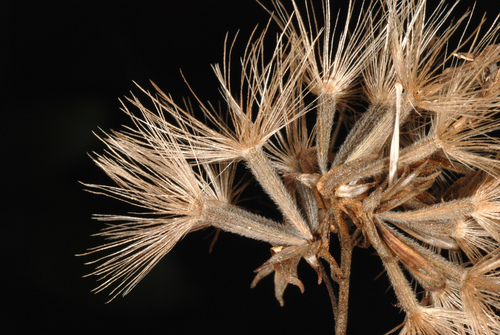
Este arbusto leñoso y de varios tallos suele crecer entre 100 y 250 centímetros de altura. Presenta hojas alternas, coriáceas, de color gris verdoso opaco, obovadas o en forma de cuña, y a menudo pegajosas al tacto con un agradable aroma resinoso. Su característica más llamativa es el denso racimo de cabezas florales de cima plana, que carecen de pétalos radiales y en su lugar consisten completamente en flósculos de disco tubulares y peludos en tonos de delicado púrpura rosado, rosa o lavanda, coronados con estilos prominentes y sobresalientes.
Categoría
PlantasRareza
Común
Peligro
1/5 · Muy bajo
Snaps
¡Sé la primera persona en hacer un snap!
Garberia es un género monotípico, lo que significa que Garberia heterophylla es la única especie que pertenece a todo este género.
Sus flores carecen de pétalos radiales (las estructuras planas, parecidas a pétalos que se ven en las margaritas), consistiendo completamente en flósculos de disco peludos que dan a las flores una apariencia de pincel.
El género fue nombrado en honor a Abraham Paschal Garber, un coleccionista botánico del siglo XIX que exploró la naturaleza de Florida.
Como planta fotosintética, Garberia produce su propio alimento utilizando la luz solar, el dióxido de carbono y el agua, complementado con nutrientes absorbidos de suelos arenosos y ácidos.
Aún no hay insignias de rasgos asignadas a este objeto.
Todavía no hay alias listados.
Las colecciones para este objeto aparecerán aquí a medida que se añadan más temas.
Peligro
1/5 · Muy bajo
Todavía no hay notas especiales de seguridad.
Empieza por la planta entera y luego compara la disposición de las hojas, sus bordes, los tallos y las flores o frutos, si los hay. Las hojas opuestas crecen en parejas; las alternas salen de una en una a lo largo del tallo. Juntos, estos detalles dicen mucho más que una sola hoja verde. Identificador de plantas: sube una foto y compara los detalles visibles.
100-250 cm
10-30 años
Como planta fotosintética, Garberia produce su propio alimento utilizando la luz solar, el dióxido de carbono y el agua, complementado con nutrientes absorbidos de suelos arenosos y ácidos.
Se encuentra en suelos secos y arenosos de los matorrales, colinas arenosas y llanuras arenosas de Florida.
Acércate para separar los grupos y explorar dónde se ha fotografiado este objeto.
Los snaps recientes aparecerán aquí a medida que se añadan nuevas observaciones.
Llévate el descubrimiento
Haz una foto con Snappit, identifica la especie y guarda el hallazgo en tu colección.