






Geraniums And Storksbills
pelargonium
Geraniums are bright and colorful flowers that can make any garden look cheerful! They have unique leaves and come in many different shapes and sizes.
Hábitat: Geraniums typically grow in gardens, meadows, and along roadsides.
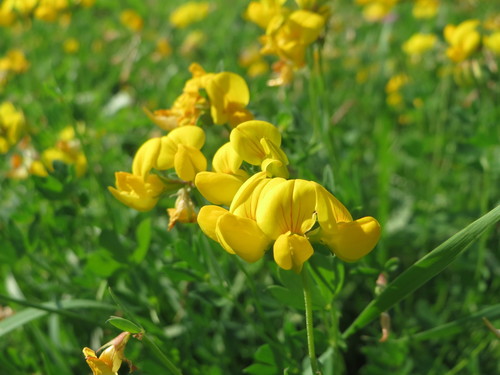
The Geraniums And Storksbills has often five-petaled flowers, typically in shades of pink, red, white, or purple, sometimes with darker veins or spots. Its leaves are usually lobed or palmate, often hairy, and it is visually distinct by its unique seed pod that resembles a long bird's beak.
Categoría
PlantasRareza
Common
Peligro
0/5 · Sin peligro conocido
Snaps
¡Sé la primera persona en hacer un snap!
Certain varieties of Geranium are used to make essential oils for perfumes and aromatherapy!
Its tiny seeds have springy 'tails' that twist and burrow themselves into the ground!
Some Geranium species can release a strong, minty scent just by brushing their leaves!
The name 'Geranium' comes from the Greek word for 'crane,' referring to its beak-like seed pods!
Geraniums And Storksbills has leaves that release strong, often citrusy or minty scents to deter hungry insects.
Geraniums And Storksbills can launch its seeds with a clever coiling and uncoiling mechanism from its 'storksbill' fruit.
Geraniums And Storksbills has evolved to be quite tolerant of dry conditions, allowing it to survive in arid places.
Apis mellifera
Gathers nectar and pollen from flowers
Bombus terrestris
Collects pollen and nectar
Helicoverpa armigera
Larvae feed on leaves and flowers
Spodoptera litura
Caterpillars feed on plant foliage
Colorido describe a organismos u objetos que exhiben una amplia variedad de colores brillantes y distintivos.
Este rasgo caracteriza a los organismos cuya dieta consiste total o principalmente en material vegetal.
Los hábitats boscosos son entornos terrestres dominados por una densa cubierta arbórea, que sustentan una gran diversidad de vida animal y vegetal.
Esta característica de hábitat indica especies que pueden coexistir con los humanos en entornos urbanos y suburbanos, utilizando estructuras artificiales y espacios verdes.

Describe organismos que transfieren polen, permitiendo la fertilización y reproducción de las plantas.
Peligro
0/5 · Sin peligro conocido
Todavía no hay notas especiales de seguridad.
15-90 cm
20-60 cm
1-5 cm
Spring_to_fall
No
Leve
Perenne
Insectos
Acércate para separar los grupos y explorar dónde se ha fotografiado este objeto.
Los snaps recientes aparecerán aquí a medida que se añadan nuevas observaciones.








_(11628267034).jpg&width=800)


