






Glassy-winged Sharpshooter
Homalodisca vitripennis
The Glassy-winged Sharpshooter is a colorful insect with big wings that look like glass! They are known for their jumping skills and love to sip on plant juices.
Hábitat: Urban areas
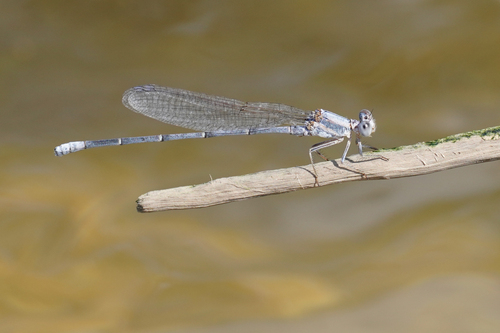
The Glassy-winged Sharpshooter is a dark brown to black insect, approximately half an inch long, with distinctive light yellow spots on its head and thorax. Its most striking feature is its transparent, 'glassy' wings, which are slightly tinted with red veins, giving it a unique, see-through appearance.
Categoría
InsectosRareza
Common
Peligro
1/5 · Muy bajo
Snaps
¡Sé la primera persona en hacer un snap!
Glassy wings look see-through, helping it blend into leaves.
It carries invisible germs that can make grapevines very sick!
It drinks hundreds of times its body weight in plant juice every day!
This tiny bug can shoot water out its rear like a miniature cannon!
Glassy-winged Sharpshooter can drink huge amounts of plant sap because of its powerful piercing-sucking mouthparts that helps them access plant xylem.
Glassy-winged Sharpshooter can shoot tiny jets of water from its rear end because of its efficient digestive system that helps them get rid of excess sap.
Glassy-winged Sharpshooter has a special ability to carry harmful bacteria that helps them spread serious diseases between many different plants.
This insect drinks nutrient-poor sap from plant stems and leaves all day long.
Xylella fastidiosa
Carries and protects bacteria that cause plant diseases.
Vitis vinifera
Feeds on sap, often spreading deadly Pierce's Disease.
Citrus sinensis
Feeds on sap, potentially transmitting citrus variegation.
Nerium oleander
Feeds on sap, common host in gardens and landscapes.
Gonatopus ashmeadi
Larval wasps develop inside and consume sharpshooter nymphs.
Colorido describe a organismos u objetos que exhiben una amplia variedad de colores brillantes y distintivos.
Este rasgo caracteriza a los organismos cuya dieta consiste total o principalmente en material vegetal.
Describe plantas que son particularmente atractivas y beneficiosas para una amplia variedad de organismos polinizadores.
Los animales diurnos están activos principalmente durante el día y suelen descansar o dormir por la noche.

Este rasgo identifica a los organismos que exhiben una rapidez excepcional en sus movimientos para cazar, escapar o desplazarse.

Esta característica de hábitat indica especies que pueden coexistir con los humanos en entornos urbanos y suburbanos, utilizando estructuras artificiales y espacios verdes.

Describe organismos que transfieren polen, permitiendo la fertilización y reproducción de las plantas.
Todavía no hay alias listados.
Peligro
1/5 · Muy bajo
These insects are not dangerous, but it's best to watch them from a distance.
24-28 mm
12-14 mm
60-90 días
This insect drinks nutrient-poor sap from plant stems and leaves all day long.
Urban areas
Foraging
6
Acércate para separar los grupos y explorar dónde se ha fotografiado este objeto.
Los snaps recientes aparecerán aquí a medida que se añadan nuevas observaciones.




_-_Gatineau_Park%2C_Quebec_2016-09-22_(02).jpg&width=800)








