





Gnathotrichus retusus
Gnathotrichus retusus
El Gnathotrichus retusus es un pequeño escarabajo al que le encanta vivir en la madera. Tiene una forma única y se le puede encontrar masticando la corteza de los árboles, ayudando a descomponer la madera vieja.
Hábitat: Bosques
El Gnathotrichus retusus es un escarabajo pequeño y cilíndrico, típicamente de color marrón rojizo a marrón oscuro o negro. Tiene un extremo trasero redondeado y su cabeza está parcialmente oculta por su pronoto, pareciendo muy lisa.
Categoría
InsectosRareza
Common
Peligro
1/5 · Muy bajo
Snaps
¡Sé la primera persona en hacer un snap!
Las escarabajas hembras son las arquitectas, construyendo viveros para sus crías.
¡Estos pequeños escarabajos llevan su propio alimento de hongos en bolsillos especiales!
¡Cavan intrincados túneles que parecen pequeñas autopistas dentro de los árboles!
¡Ayudan a descomponer los árboles muertos, devolviendo nutrientes al suelo del bosque!
Gnathotrichus retusus cultiva hongos 'ambrosía' especiales dentro de los túneles de los árboles, los cuales comen y alimentan a sus crías.
Gnathotrichus retusus puede perforar intrincados túneles ramificados profundamente en la madera de los árboles para crear hogares y granjas de alimentos.
Gnathotrichus retusus puede detectar señales químicas de árboles estresados o recién talados, ayudándoles a encontrar nuevos hogares.
Estos escarabajos y sus crías comen un hongo especial que cultivan dentro de los túneles de los árboles.
Diferencias por edad: Las larvas comen hongos cultivados por los adultos, los adultos también se alimentan de hongos.

Pinus ponderosa
Proporciona madera para túneles y granjas de hongos.
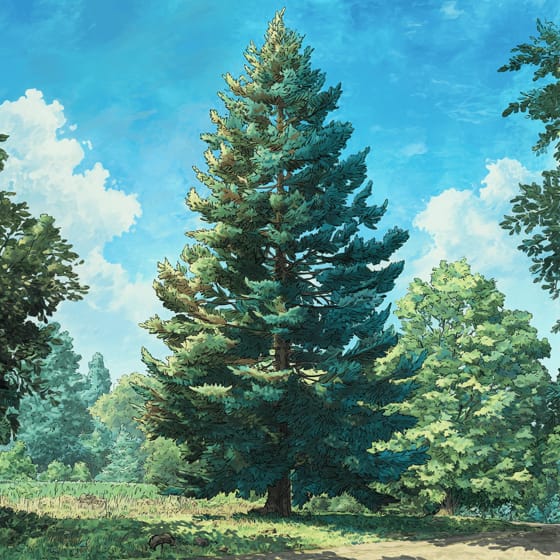
Pseudotsuga menziesii
Ofrece hábitat para colonias de escarabajos y hongos.
Ambrosiella gnathotrichi
El escarabajo cultiva y come este hongo específico.
Dryocopus pileatus
Los pájaros carpinteros cazan escarabajos escondidos en la corteza de los árboles.
Los animales solitarios viven solos durante la mayor parte de su vida y solo interactúan con otros para aparearse o cuidar de sus crías.
El camuflaje describe a los organismos que poseen colores o patrones que les permiten mezclarse con su entorno.
Este rasgo caracteriza a los organismos cuya dieta consiste total o principalmente en material vegetal.
Los hábitats boscosos son entornos terrestres dominados por una densa cubierta arbórea, que sustentan una gran diversidad de vida animal y vegetal.

Describe a los organismos que descomponen la materia orgánica muerta, reciclando los nutrientes de vuelta al ecosistema.

Describe una especie cuya presencia y papel tienen un efecto desproporcionadamente grande en su entorno.

Relativo a especies que son significativamente más pequeñas que lo típico o promedio de su tipo.
Todavía no hay alias listados.
Peligro
1/5 · Muy bajo
Estos escarabajos son inofensivos, pero es mejor observarlos sin tocarlos.
La forma más fácil de identificar a Gnathotrichus retusus es usar la aplicación de identificación de naturaleza Snappit.
2-3.5 mm
30-90 días
Estos escarabajos y sus crías comen un hongo especial que cultivan dentro de los túneles de los árboles.
Bosques
Forrajeo
6
2-20
Acércate para separar los grupos y explorar dónde se ha fotografiado este objeto.
Los snaps recientes aparecerán aquí a medida que se añadan nuevas observaciones.
Llévate el descubrimiento
Haz una foto con Snappit, identifica la especie y guarda el hallazgo en tu colección.








.jpg&width=800)


