

Gonepteryx Eversi
gonepteryx eversi
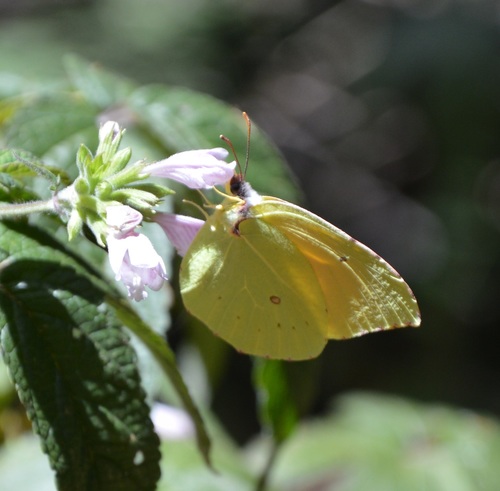
La Gonepteryx Eversi, también conocida como la Limonera de La Gomera, es una mariposa exquisita y rara endémica de los brumosos bosques de laurisilva de La Gomera en las Islas Canarias. Reconocida por su notable cripsis, este insecto presenta alas que replican a la perfección la apariencia, las venas y la textura de una hoja verde viva. La especie está altamente adaptada al microclima único y rico en humedad de la laurisilva canaria, donde desempeña un papel esencial como polinizador nativo. Avistar una de estas elusivas mariposas revoloteando por el dosel moteado de sol de un barranco volcánico es una experiencia muy buscada tanto por entomólogos como por entusiastas de la naturaleza. Su persistencia en una sola isla destaca el frágil equilibrio ecológico de los ecosistemas aislados de la región.
Hábitat: Se encuentra en bosques de laurisilva húmedos y barrancos profundos en la isla de La Gomera, a menudo revoloteando alrededor de arbustos perennes.
Los adultos exhiben un perfil alar distintivo, parecido a una hoja, con puntas fuertemente curvadas en las alas anteriores. Los machos presentan un color base amarillo limón brillante con un sutil y cálido rubor naranja en las alas anteriores, mientras que las hembras muestran una coloración más tenue, blanco verdoso pálido, que mejora su camuflaje foliar. Ambos sexos poseen una pequeña y distintiva mancha de color marrón anaranjado cerca del centro de cada ala, imitando una imperfección o descomposición fúngica en una hoja, con una envergadura que promedia de 5 a 6 centímetros.
Categoría
InsectosRareza
Común
Peligro
1/5 · Muy bajo
Snaps
¡Sé la primera persona en hacer un snap!
Los adultos tienen una vida excepcionalmente larga para una mariposa, viviendo hasta diez meses al entrar en estados de letargo.
Es completamente endémica de la isla de La Gomera, lo que significa que no se encuentra en estado salvaje en ningún otro lugar de la Tierra.
La forma única de sus alas presenta puntas afiladas que imitan perfectamente las venas y el ápice de una hoja real.
Cuando descansa con las alas plegadas, esta mariposa imita perfectamente una hoja verde ancha, completa con falsas venas foliares, para evadir a los depredadores.
Puede entrar en un estado de letargo durante los meses calurosos y secos del verano para conservar energía y sobrevivir a períodos de baja disponibilidad de néctar.
Las hembras poseen receptores químicos altamente sensibles en sus patas para localizar con precisión las plantas hospedadoras de Rhamnus para la puesta de huevos.
Las larvas se alimentan estrictamente de las hojas de los árboles endémicos de espino amarillo, mientras que los adultos se alimentan del néctar de varias flores del bosque.
Diferencias por edad: Las orugas se alimentan exclusivamente del follaje de los espinos amarillos hospedadores, mientras que las mariposas adultas consumen néctar líquido.
Rhamnus glandulosa
Las orugas se alimentan exclusivamente de las hojas de este arbusto endémico.

Sylvia atricapilla
Depreda mariposas adultas y orugas en el dosel.
Vanessa vulcania
Compite por los recursos de néctar en los claros floridos de gran altitud.
Aún no hay insignias de rasgos asignadas a este objeto.
Todavía no hay alias listados.
Las colecciones para este objeto aparecerán aquí a medida que se añadan más temas.
Peligro
1/5 · Muy bajo
Todavía no hay notas especiales de seguridad.
Compara el contorno de las alas, las manchas, las bandas, los ocelos y los bordes de las alas. El reverso puede verse completamente distinto del dorso. Fíjate en las colas, en las antenas y en dónde se sitúan las marcas, en lugar de fiarte solo del color. Identificador de mariposas: sube una foto y compara los detalles visibles.
2-3 cm
5-6 cm
0.0001-0.0003 kg
0-1 años
15 km/h
Las larvas se alimentan estrictamente de las hojas de los árboles endémicos de espino amarillo, mientras que los adultos se alimentan del néctar de varias flores del bosque.
Se encuentra en bosques de laurisilva húmedos y barrancos profundos en la isla de La Gomera, a menudo revoloteando alrededor de arbustos perennes.
Acércate para separar los grupos y explorar dónde se ha fotografiado este objeto.
Los snaps recientes aparecerán aquí a medida que se añadan nuevas observaciones.
Llévate el descubrimiento
Haz una foto con Snappit, identifica la especie y guarda el hallazgo en tu colección.